Showing posts with label Stress. Show all posts

Tuesday, January 26, 2021

THE NEXT PANDEMIC COULD EASILY COME FROM OUR FACTORY FARMS - As people point fingers at the dangers of “wet markets,” it’s easy to overlook the closer to home problem of factory farms. Our next zoonotic pandemic could easily come from a factory farm. As the new coronavirus escalated into a pandemic, it became important to pinpoint its origin. Headlines circulated at the beginning of the outbreak, pointing to “wet markets” in China as the potential source of the outbreak. While attention turned abroad, a more sinister disease incubator remains right here at home: factory farms. The conditions in China’s wholesale wet markets are very similar to those in factory farms here in the U.S. Factory farms, as the name implies, are essentially animal factories. These facilities cram thousands of animals into tightly packed spaces; these conditions cause elevated stress responses in animals. In the warehouse-like structures animals receive little, if any, sunlight or fresh air. Factory farms have also bred animals that are virtually genetically identical, making mass production possible of all the inputs from feed to barn construction. We raise animals for food on a modern day assembly line. But those conditions make them prime targets for the spread and incubation of disease. And when one animal in a factory farm gets sick, the pathogen can rapidly spread — killing hundreds or thousands of animals and potentially jumping to humans.

........................................................................................................................................................................................................................................................................................................................................................................................

The Next Pandemic Could Easily Come From Our Factory Farms

.
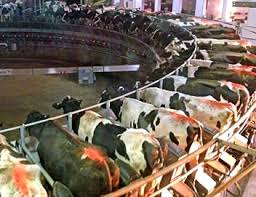
As people point fingers at the dangers of “wet markets,” it’s easy to overlook the closer to home problem of factory farms. Our next zoonotic pandemic could easily come from a factory farm.

By Mackenzie Aime


As the new coronavirus escalated into a pandemic, it became important to pinpoint its origin.

Headlines circulated at the beginning of the outbreak, pointing to “wet markets” in China as the potential source of the outbreak.

While attention turned abroad, a more sinister disease incubator remains right here at home: factory farms. 

The Similarities Between Wet Markets And Factory Farms

The conditions in China’s wholesale wet markets are very similar to those in factory farms here in the U.S.

Factory farms, as the name implies, are essentially animal factories.

These facilities cram thousands of animals into tightly packed spaces; these conditions cause elevated stress responses in animals.

In the warehouse-like structures animals receive little, if any, sunlight or fresh air.

Factory farms have also bred animals that are virtually genetically identical, making mass production possible of all the inputs from feed to barn construction.

We raise animals for food on a modern day assembly line.  But those conditions make them prime targets for the spread and incubation of disease.

And when one animal in a factory farm gets sick, the pathogen can rapidly spread — killing hundreds or thousands of animals and potentially jumping to humans.

This is exactly what it means when a disease is “zoonotic.”

Viral Pandemics Have Sprung From Factory Farms In The Past

This isn’t a “what if” scenario. It’s happened before — several pandemics have been incubated in factory farms.

In the late 1990s, the H1N1 flu virus originated in factory farms in North Carolina.

A mutated form of this North Carolina virus later popped up in a factory farm in Mexico where it spread around the world, leading to the 2009 H1N1 flu pandemic.

During its first year of circulation, the 2009 H1N1 flu killed between 151,700 - 575,400 people worldwide.

And, in 2006 an outbreak of bird flu turned into a full-scale pandemic after originating in factory farms in China.

In early April as the coronavirus was raging, a South Carolina poultry factory farm operation was forced to cull tens of thousands of birds after discovering an outbreak of bird flu.

While thankfully contained to this single farm, this outbreak could have had equally dire consequences.

These are just a few examples; there are plenty more. The fact that these previous outbreaks did not force us into home isolation was only a stroke of dumb luck. 

The factory farm industry is acutely aware that it is playing with fire.

Antibiotics, meant for the treatment of bacterial infections, are routinely used on factory farms to prevent the spread of disease.

In fact, 70 percent of the total volume of medically important antibiotics in the US are sold for animal agriculture.

This overuse of antibiotics has led to antibiotic resistance, where infections that were once curable develop a resistance to drugs that had previously been used to treat them — yet another pandemic in the making.

The rise of drug-resistant superbugs, MRSA for example, puts our collective public health at risk and could have dire consequences in future pandemics, especially those that have bacterial complications like pneumonia.

Our public health and ability to treat diseases should not be sold for corporate gain.

Family Farms Would Be A Saving Grace In A Pandemic, But Are Stomped Out By Factory Farms

The current coronavirus pandemic is demonstrating how fragile our highly consolidated food system is and how ill-equipped it is to handle emergency situations.

Every day more and more meatpacking plants become ground zero for new outbreaks of coronavirus, and thousands of people are putting their lives on the line to keep these facilities functioning.

Produce is being plowed under and meat is piling up in cold storage — even as unprecedented lines at food banks demonstrate the massive need for food as unemployment rates skyrocket.

Corporate agriculture has created this broken system, which constantly puts us at risk of another pandemic, and yet corporate agriculture has shown that it is wholly unable to meet our needs during a pandemic.

Where are our public institutions in this time of crisis?

Our food system is being held hostage by a few corporations that control everything — from piglets to politicians.

With this power, the factory farm industry has mercilessly lobbied against measures that would keep us and our food safe.

Demanding faster line speeds at meatpacking plants and unnecessarily increasing risks for slaughterhouse workers, opposing restrictions on antibiotic use, and even refusing to provide workers with necessary protective equipment — this is just a tiny fraction of examples of how Big Ag puts profits before the lives of everyday people. 

Supporting The Farm System Reform Act Will Greatly Reduce Our Risk Of New Zoonotic Pandemics

This crisis has illustrated just how broken our food system truly is.

People are angry that wet markets are already reopening, but we cannot ignore that the way we raise animals in the U.S. also places us at risk for future pandemics.

As the COVID-19 outbreak forces us to significantly alter our daily lives and as the disease continues to spread, will we finally muster the political will to overhaul our food system — including banning factory farms — to decrease the likelihood of the next pandemic?

Our lives depend on it. Ask your legislators to support the Farm System Reform Act today!

Mackenzie Aime is an Iowa Organizer for Food & Water Watch. She works to build support for a moratorium against factory farming so that Iowa has a future for its strong communities, independent family farmers, and environmental resources. Prior to joining Food & Water Watch, Mackenzie served as an Emerson Hunger Fellow striving to eradicate poverty by working on housing policy at RESULTS and by creating a comprehensive food system plan in rural West Virginia with Reconnecting McDowell. She received her Bachelors in Interdisciplinary Studies with a focus on food justice from Emory University.

She can be reached at meaime[at]fwwatch.org.

https://www.foodandwaterwatch.org/news/next-pandemic-could-easily-come-our-factory-farms


You might also like:


Factory Farming

CLICK HERE . . . to view . . . 

https://puricare.blogspot.com/2020/05/factory-farming-factory-farming-is.html

...........................................................................................................................................................................................................................................................................................

Vertical Farming

CLICK HERE . . . to view . . . 

https://puricare.blogspot.com/2020/06/vertical-farming-vertical-farming.html

..........................................................................................................................................................................................................................................................................................

Tunnel ventilation

CLICK HERE . . . to view . . . 

https://puricare.blogspot.com/2016/09/commercial-meat-chicken-farms-are.html

........................................................................................................................................................................................................................................................................................... 

Friday, October 9, 2020

PRESSURE IN THE TEMPLES - What to know about pressure in the temples - Pressure in the temples can be a symptom of a headache or migraine episode. It can also result from stress, blocked sinuses, or tension extending from elsewhere in the body. If a person experiences persistent pressure in the temples, this may indicate an underlying health issue. A tension headache may cause pressure in temples. A tension headache is one of the most common types of headache, and it can cause pressure as well as pain. Tension headaches can result from stress or muscle tension. A person may be able to treat a tension headache with over-the-counter pain relief medication, relaxation, and stress management. Migraine can cause moderate or severe head pain, including pressure in the temples. The exact cause of migraine is unknown. A migraine headache may worsen with physical activity and can last a few hours to several days. A cervicogenic headache is a type of headache related to a disorder of the cervical spine. The cervical spine is the top part of the spine, which includes the neck and back of the head. A blocked nose is a common symptom of sinus problems. Infection and inflammation of the sinuses can cause pressure in the forehead and temples. In most cases, sinus infections and inflammation clear up without prescription medication. Over-the-counter pain relievers and decongestants can help clear the sinuses and relieve symptoms.


..................................................................................................................................................

Pressure In The Temples

What to know about pressure in the temples

Medically reviewed by Debra Rose Wilson, Ph.D., MSN, R.N., IBCLC, AHN-BC, CHT 

Written by Beth Sissons 


Pressure in the temples can be a symptom of a headache or migraine episode.

It can also result from stress, blocked sinuses, or tension extending from elsewhere in the body.

If a person experiences persistent pressure in the temples, this may indicate an underlying health issue.

This article explores possible causes of pressure in the temples, as well as symptoms, treatment options, and when to see a doctor.

Tension headache

o  A tension headache may cause pressure in temples.

o  A tension headache is one of the most common types of headache, and it can cause pressure as well as pain.

o  Tension headaches can result from stress or muscle tension.

Symptoms

Symptoms of a tension headache include:

pain that can last for a few hours to several days

tight pressure, which may feel as though a band or vice is squeezing the head

pain that may radiate from the neck to the head

Treatment

A person may be able to treat a tension headache with over-the-counter pain relief medication, relaxation, and stress management.

If muscle tension is creating a feeling of pressure in the face and temples, try:

o  a heated compress

o  a warm bath

o  stretching

Migraine

Migraine can cause moderate or severe head pain, including pressure in the temples.

The exact cause of migraine is unknown. However, the medical community recognizes a number of triggers, such as: 

o  hormonal changes

o  emotional triggers, including depression or anxiety

o  tiredness and lack of sleep

o  some foods, including chocolate and cheese

o  coffee or alcohol

o  environmental triggers, including flickering screens, stuffy rooms, and loud noises

o  certain medications, including sleeping pills, contraceptive pills, and hormone replacement therapies

Symptoms

Symptoms of migraine include:

o  pain on one side of the head

o  pulsing or throbbing sensations

o  nausea

o  increased sensitivity to light and sound

A migraine headache may worsen with physical activity and can last a few hours to several days.

Treatment

A doctor may prescribe antimigraine medication for people who have frequent or severe migraine episodes.

Learn more about the difference between a headache and a migraine here.

Cervicogenic headache

A cervicogenic headache is a type of headache related to a disorder of the cervical spine.

The cervical spine is the top part of the spine, which includes the neck and back of the head.

Problems with the cervical spine that can cause cervicogenic headaches include:

o  issues with the soft tissues of the neck

o  lesions

o  tumors

o  fractures

o  infections

o  rheumatoid arthritis

Symptoms

Along with pressure in the temples, symptoms of this type of headache include:

o  a reduced range of motion in the neck

o  a headache that worsens with certain neck movements

o  pain on one side of the head

o  pain that spreads from the back of the head or neck to the front of the head, possibly behind the eyes

Treatment

A doctor can use nerve blocks to treat cervicogenic headaches. Nerve blocks, which are usually injected, can numb the cervical spine, relieving pain.

In addition, massage may help relax the soft tissues in the neck and reduce the occurrence of headaches. Exercise and physical therapy can also help treat cervicogenic headaches.

Sinus problems

A blocked nose is a common symptom of sinus problems.

Infection and inflammation of the sinuses can cause pressure in the forehead and temples.

Symptoms

Other symptoms of these sinus issues include:

o  a blocked nose

o  a cough

o  yellow or green discharge from the nose

o  a toothache

o  mucus running down the back of the throat

Treatment

In most cases, sinus infections and inflammation clear up without prescription medication. Over-the-counter pain relievers and decongestants can help clear the sinuses and relieve symptoms.

If a bacterial infection is causing the inflammation, a doctor may prescribe antibiotics to treat it.

Temporal arteritis

Temporal arteritis can cause persistent pain in the temples. It happens when arteries at the sides of the head become inflamed.

Temporal arteritis is more common in females and people over the age of 50.

Symptoms

A person with this condition may experience:

o  severe, throbbing pain in the temples

o  a fever

o  unintentional weight loss

o  a loss of appetite

o  a feeling of tenderness in the scalp

o  an aching in the jaw while chewing

Treatment

A doctor will prescribe a course of steroids to treat temporal arteritis.

Meningitis

Bacterial meningitis can cause a sudden headache and pressure in the temples. 

Symptoms

Other symptoms include:

o  increased sensitivity to light

o  a fever

o  stiffness in the neck

o  confusion

o  nausea

o  vomiting

In newborns and young children, symptoms can vary. Look out for:

o  inactivity or slowness

o  irritability

o  vomiting

o  a change in appetite

o  a bulge on the top of the head

Treatment

A doctor will treat bacterial meningitis with antibiotics. Also, there are vaccinations for this condition.

Head injury

A head injury or traumatic brain injury can result from a blow to the head. Among people with symptoms of a mild head injury, 90% experience a headache.

Symptoms

Various types of headache can result from a head injury. A person may, for example, experience throbbing or stabbing pain at the back of the head.

A person may also feel pressure, which may develop within 7 days of the injury. The pressure may be dull, aching, or taut, and it may affect any part of the head, including the temples.

Treatment

When a headache results from a mild head injury, get plenty of rest. Eating healthfully, getting quality sleep, and reducing the intake of caffeine can also help.

Use caution when taking medications for headaches and follow instructions on labeling.

Learn more about the types, symptoms, and treatments of head injuries here.

Temporomandibular joint and muscle disorders

Temporomandibular joint and muscle (TMJ) disorders cause pain in the jaw and surrounding area.

They can also cause pressure in the face, temples, and neck.

Beyond trauma to the jaw, researchers are unsure what causes TMJ disorders.

Symptoms

Symptoms of TMJ disorders include:

o  a stiff jaw, with restricted movement

o  grinding the teeth, while awake or asleep

o  pain when opening or closing the mouth

o  a clicking, grating, or locking of the jaw

o  the upper and lower teeth not fitting together as usual

Treatment

The most common TMJ disorders are temporary, and people can treat them with over-the-counter pain relief medication.

Some people benefit from dental devices that keep the jaw from clenching.

Brain tumor

In rare cases, persistent pressure in the temples can indicate a brain tumor if a person also experiences other characteristic symptoms.

Symptoms

Some of the most common symptoms of a brain tumor are:

o  nausea

o  fatigue

o  tingling or stiffness on one side of the body

o  balance problems

o  changes in vision

o  confusion or memory loss

o  difficulty communicating

o  feeling disorientated

o  changes in personality

o  seizures

Treatment

Treatment for a brain tumor depends on the type, size, and location of the tumor.

Treatment options may include:

o  steroids

o  radiation therapy

o  chemotherapy

o  surgery to remove the tumor

Learn more about the early symptoms of a brain tumor.

When to see a doctor

A person should speak to their doctor if they experience frequent or severe headaches.

Anyone with persistent pressure in the temples should see a healthcare professional. 

A person should also see a doctor if they have any of the following:

o  a continuous headache in one part of the head

o  severe head pain that comes on very suddenly

o  a change in headache frequency or type

o  an existing medical condition alongside frequent or severe head pain

The doctor will take a medical history and ask about symptoms. They may then use tests, such as blood tests or MRI or CT scans, to check for underlying issues.

If people notice any signs of meningitis, they should seek medical attention right away.

Summary

People experience pressure in the temples for a variety of reasons. If stress or tension is causing this pressure, relaxation and lifestyle changes may help relieve it.

If pressure in the temples is persistent, or if severe pain or other symptoms accompany it, see a doctor.


Beth Sissons

Beth lives in London and works as a freelance writer on a range of projects. Along with writing regular articles for Medical News Today, she writes for the Horniman Museum, an anthropology museum in South London. This involves recording minutes for conferences, blogging for their website, and documenting their process of curating art exhibitions. She loves theatre, yoga, and cycling in her spare time.

Debra Rose Wilson, Ph.D., MSN, R.N., IBCLC, AHN-BC, CHT

MEDICAL ADVISOR

Dr. Wilson is a health psychologist and a nurse. Seeking to view health from outside the western model, Debra completed a Master of Science in Holistic Nursing, then with a focus on Psycho-neuro-immunology completed a PhD in Health Psychology. Debra has worked in maternal/infant health, public health education, program development, public health education, and nursing education. She has expertise in complementary and alternative therapies, epidemiology, breastfeeding trends, wellness, disease prevention, and higher education. She has been reviewing medical information for more than 20 years, with a focus on online patient education. 

With over 100 publications including peer-reviewed journal articles, editorials, 3 books, and numerous books chapters, her research experience includes healing for adult survivors of childhood sexual abuse, autoimmune disease, complementary therapies, breastfeeding, herbs, and women’s health. 

Debra’s current research areas include stress, stress management, scalp and hair health, autoimmune disease, and immune function. She was the managing editor of the International Journal of Childbirth Education from 2011 to this year. Debra has taught graduate courses in psychoneuroimmunology, holistic nursing, biopsychology, stress & coping, complementary & alternative therapies, herbology, mental health nursing, health care policy, stress & coping. She has taught at undergraduate, masters, and doctoral levels of nursing, psychology, and social work. 

Dr. Wilson has a private practice as a holistic nurse, providing grief counseling, clinical hypnosis, trauma counseling, and lactation consulting.

https://www.medicalnewstoday.com/articles/326816.php