Showing posts with label Lift. Show all posts

Tuesday, December 22, 2020

HYDRAULICS - Challenge your friends to hold down the plunger of the large (10ml) syringe while you push down on the plunger of the small 2.5ml syringe. Strange that a small piston can generate so much force. Multiplying the force. Using a 10 ml and a 2.5 ml syringe lift a 10kg brick with as little effort as possible. Which set up would you use? 2.5ml syringe is used to push the 10ml syringe. The 10ml syringe is used to push the 2.5ml syringe. This system can hardly budge the brick. The hydraulic system above can lift the brick with little effort. The effort is magnified by this system The system on the left can hardly budge the brick. Even though the brick may be lifted higher, this hydraulic system cannot generate the force required. Explain how the hydraulic system above can multiply the effort to lift the brick. Click for extra, vital information. Multiplying the force or distance activity. Construct the hydraulic system on the right. Challenge your friends to hold down the plunger of the large (10ml) syringe while you push down on the plunger of the small 2.5ml syringe. Strange that a small piston can generate so much force. Connect a 2.5ml syringe to a 10ml syringe as shown. Design a hydraulic system to lift a small mass, maximum distance off the ground with as little movement from the controlling syringe as possible. Hydraulic Pressure. Pressure produced by the effort piston passes through the fluid (water) to the load's piston.


.....................................................................................................................................................................................................................................................................................................................................................................................................

Hydraulics

Challenge your friends to hold down the plunger of the large (10ml) syringe while you push down on the plunger of the small 2.5ml syringe. Strange that a small piston can generate so much force.

dynamicscience.com


Multiplying the force

Using a 10 ml and a 2.5 ml syringe lift a 10kg brick with as little effort as possible.

Which set up would you use?

2.5ml syringe is used to push the 10ml syringe.

The 10ml syringe is used to push the 2.5ml syringe. This system can hardly budge the  brick.

The hydraulic system above can lift the brick with little effort. The effort is magnified by this system

The system on the left can hardly budge the brick.

Even though the brick may be lifted higher, this hydraulic system cannot generate the force required.

Click to see a 120kb movie of the hydraulic system capable of lifting 10kg brick.

Explain how the hydraulic system above can multiply the effort to lift the brick. Click for extra, vital information.

Multiplying the force or distance activity.

Construct the hydraulic system on the right.

Challenge your friends to hold down the plunger of the large (10ml) syringe while you push down on the plunger of the small 2.5ml syringe.

Strange that a small piston can generate so much force. Click for further information

Connect a 2.5ml syringe to a 10ml syringe as shown.

Design a hydraulic system to lift a small mass, maximum distance off the ground with as little movement from the controlling syringe as possible.

Click to see a 120kb movie.

Hydraulic Pressure

Pressure produced by the effort piston passes through the fluid (water) to the load's piston.

This piston has a larger area and so the pressure from the smaller piston presses on a larger area.

This produces a larger force, in this case 5 times the force.

http://www.dynamicscience.com.au/tester/solutions1/hydraulicus/hydraulics.htm


You might also like:

.

Pascal's Principle and Hydraulics

CLICK HERE . . . to view . . . 

https://puricare.blogspot.com/2020/10/blog-post_92.html

...........................................................................................................................................................................................................................................................................................

Hydraulics And Pneumatics

CLICK HERE . . . to view . . . 

https://puricare.blogspot.com/2019/04/hydraulics-and-pneumatics-both-systems.html

...........................................................................................................................................................................................................................................................................................

Fluid Dynamics

CLICK HERE . . . to view . . . 

https://puricarechronicles.blogspot.com/2017/12/fluid-dynamics-fluid-dynamics-is-one-of.html

...........................................................................................................................................................................................................................................................................................

 Hydraulic Hammers 

CLICK HERE . . . to view . . . 

https://puricare.blogspot.com/2020/08/hydraulic-hammers-hydraulic-hammer-is.html

...........................................................................................................................................................................................................................................................................................

Hydrology 

CLICK HERE . . . to view . . .  

https://puricare.blogspot.com/2018/12/hydrology-hydrologists-are-large-and.html

...........................................................................................................................................................................................................................................................................................

Weird & Wonderful 

Water Facts

CLICK HERE . . . to view . . . 

https://puricarechronicles.blogspot.com/2017/12/weird-wonderful-water-facts-we-need.html

...........................................................................................................................................................................................................................................................................................

God’s Flawless Design of Water 

CLICK HERE . . . to view . . . 

https://puricarechronicles.blogspot.com/2020/11/gods-flawless-design-of-water-makes.html


Tuesday, November 26, 2019

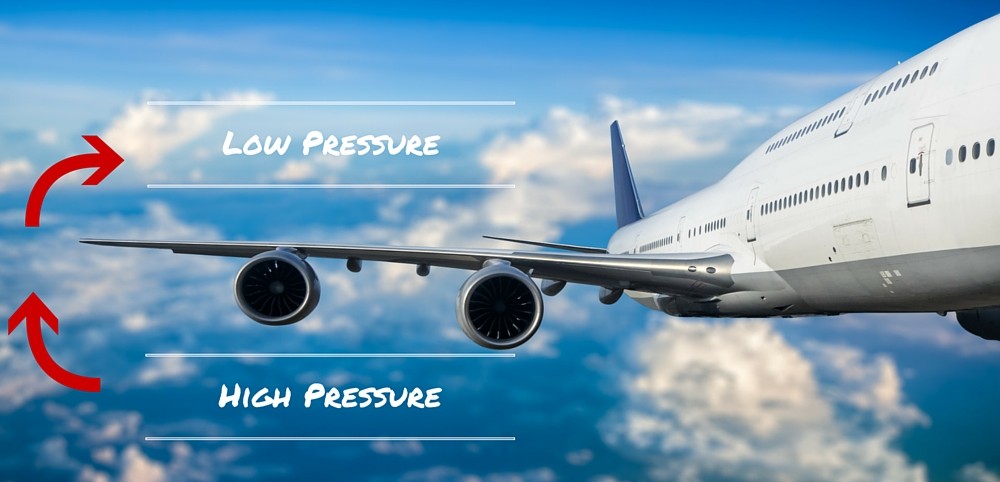
AIRCRAFT WINGLETS - A significant source of drag is caused by the high pressure under the wing, which causes air to flow up and over the wingtip before spinning off in a vortex. Wingtip vortices hamper performance, cut into fuel mileage, range, and the speed of the aircraft. To avoid the formation of the vortices, two solutions were explored as being possible. One was to manufacture an infinitely long wing. There would be total separation of the airflow from the lower and upper surface, therefore preventing any vortices from being formed. The other solution was to create a separation between the two differential pressure regions by introducing a structural component. This was to be called a ‘winglet’. Winglets are a proven way to reduce drag, save fuel, cut carbon dioxide and nitrogen oxide emissions, and reduce community noise. This helps the operating airlines save money by decreasing the amount of fuel consumed, as well as landing charges at airports.

Pressure Difference in wings
..........................................................................................................................................................
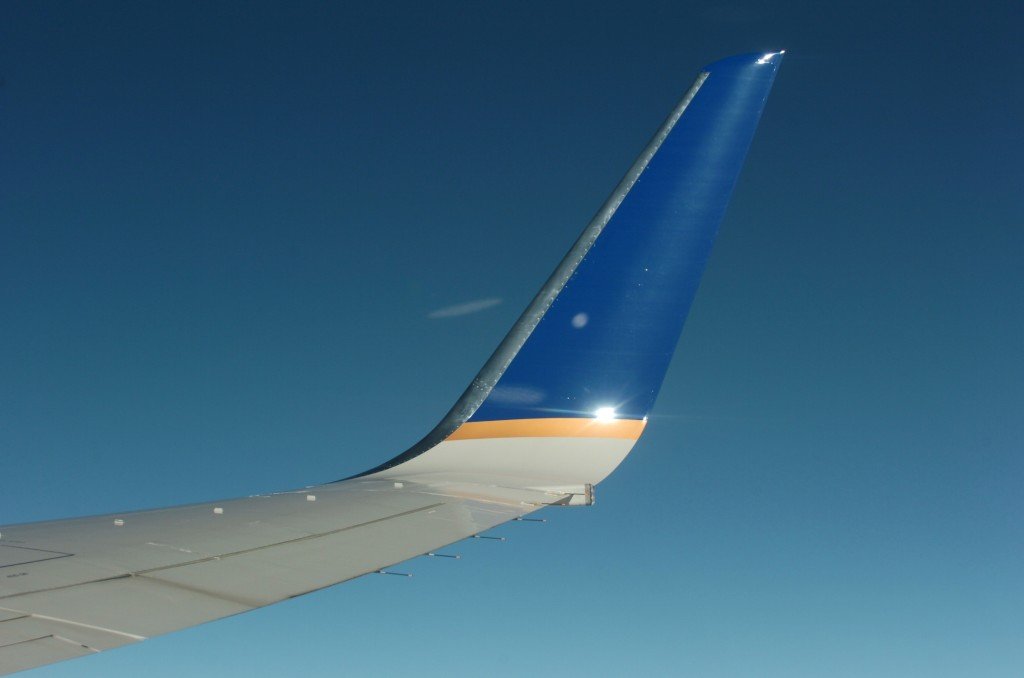
WingletsAircraft Winglets
Why Are Aircraft Wings Curved At The End?
Team ScienceABC


If you’re a frequent flyer, you may have seen something odd about the aircraft’s wings.
You will likely have noticed that the wings have an additional component at the ends. It makes it look rather stylish, doesn’t it?
In some ways, it looks like the fins or the tail of a fish. Some ends are bent upwards, while some others are oval in shape!
These sections of an aircraft wing are called winglets.
“A winglet is an additional structural component of a wing structure with the primary function of reducing wingtip vortex, which is produced due to the pressure difference between the upper and lower surface of a wing while an aircraft is moving.”
That’s the kind of definition that would make your professor’s knees weak in admiration, but let’s work through this definition in small steps.
To understand the winglet, let’s first understand why an aircraft needs it.
What are Vortices?
A wing works as a result of Bernoulli’s principle, which essentially states, ‘the pressure of a fluid is inversely proportional to the velocity of the same in space’.
When an aircraft is in motion, the airflow is split at the leading edge (front) of the wing.
Due to the angle at which the wing is fixed to the aircraft fuselage, higher air pressure is experienced on the lower surface of the wing than on the upper surface. 
This creates a pressure difference between the top and bottom sections of the wing, which generates lift (upward movement of the aircraft).
The property of fluids is that they flow from a region of higher pressure to a region of lower pressure.
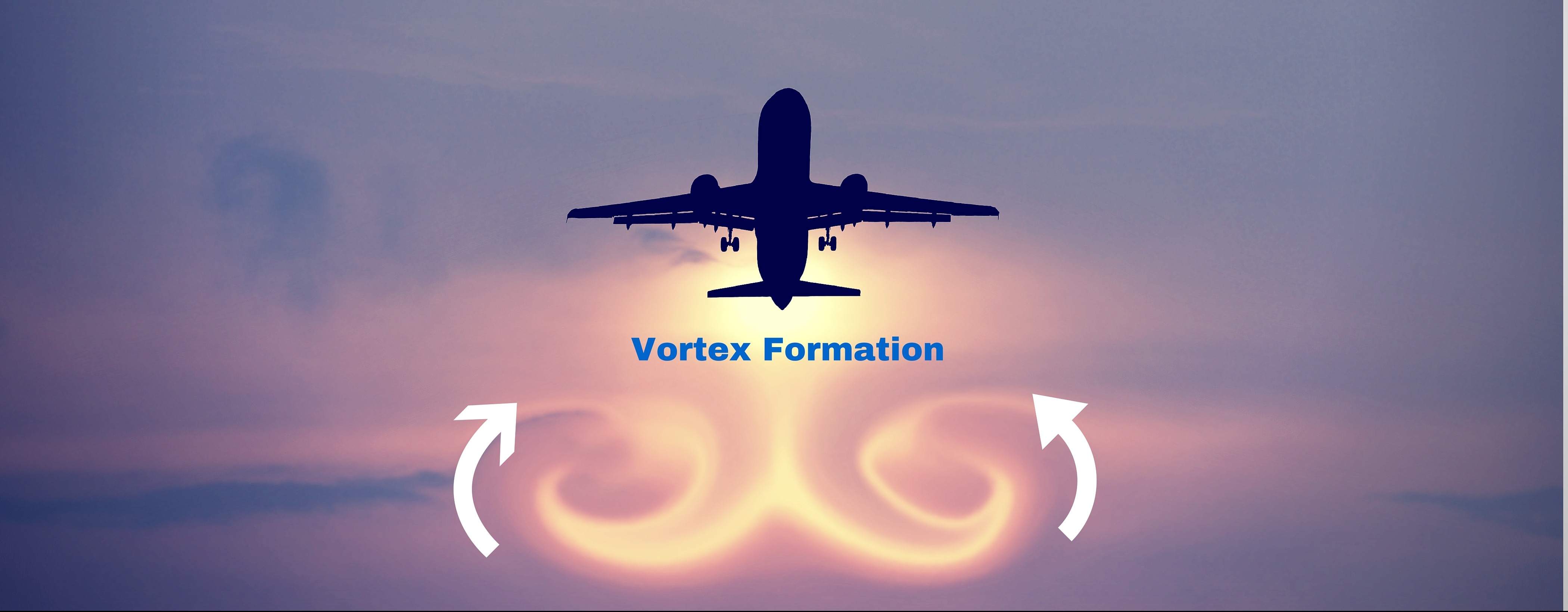
Following this principle, the air tends to move from the high pressure below the wing to the low pressure above the wing around the wingtips, thus forming and leaving behind vortices (mini-tornadoes) as the aircraft moves.
Why is This a Concern for Aircrafts?
A significant source of drag (air resistance) is actually caused by the high pressure under the wing, which causes air to flow up and over the wingtip before spinning off in a vortex.
Wingtip vortices hamper performance, cut into fuel mileage, range, and the speed of the aircraft.
It may look beautiful in the sky, but it actually may cause an aircraft that flies through the same region to lose stability and even result in an emergency situation.
Environmental factors also factor into the need for a solution.
Due to the drag caused by the vortices, a larger consumption of fuel is required, which results in higher emissions of CO2, other artificial particulates and noise.
The Solution – Winglets:
To avoid the formation of the vortices, two solutions were explored as being possible. One was to manufacture an infinitely long wing.
There would be total separation of the airflow from the lower and upper surface, therefore preventing any vortices from being formed. Sound rather outrageous? Obviously, there were some major issues with this.
The other solution was to create a separation between the two differential pressure regions by introducing a structural component. This was to be called a ‘winglet’, a term that was first coined by Richard Whitcomb.
Since the 1980’s, winglets have been a major part of future aircraft designs. For some old aircrafts, winglets were fitted after the plane’s introduction into the market.
Winglets are a proven way to reduce drag, save fuel, cut carbon dioxide and nitrogen oxide emissions, and reduce community noise.
This helps the operating airlines save money by decreasing the amount of fuel consumed, as well as landing charges at airports.
In other words, if you ever make a paper plane, be sure to bend the ends of the wing upwards just a little, and it will fly a bit further. It’s not cheating, it’s just science!
Fun Fact:
In 1897, British engineer Frederick W. Lanchester conceptualized wing end-plates to reduce the impact of wingtip vortices six years before the first powered flight was operated by the Wright Brothers (1903). Talk about being ahead of your times!
Team ScienceABC is the handle of a team of engineers and science graduates who come up with brilliant ideas every now and then, but are too lazy to sit at one spot to complete an article, and dread the idea of being considered ‘regular writers’.
Vortex formation
veqo9vepk4