Showing posts with label wastewater. Show all posts

Monday, January 11, 2021

ACTIVATED SLUDGE WASTEWATER TREATMENT - The activated sludge wastewater treatment process is widely used and relied on by many municipalities. This process utilizes a multi-chamber reactor unit that uses microorganisms as a method to remove nutrients from the water. Oxygen is used to establish and regulate aerobic conditions and to suspend the sludge. The activated sludge wastewater treatment provides many advantages, but it may not be appropriate in all situations. The activated sludge process is an integral process used to treat wastewater. Air or oxygen is blown into raw sewage. It is most effective for large volumes of water. Wastewater is mixed and aerated in a special tank. This step in the process occurs by pumping air or oxygen into the activated sludge tank or using surface aerators. The process oxidizes organic matters in the wastewater, producing new cells, carbon dioxide, and water. The sludge particles can then be removed through the process of gravity settling. Activated sludge sewage treatment is ideally completed in a centralized treatment facility. The treatment of activated sludge can occur in most climates. The activated sludge process in the treatment of wastewater involves blowing oxygen or air into raw, unsettled sewage. The sewage is bubbled, and sewage liquor is discharged into an activated sludge chamber. Live bacteria settle to the bottom of the tank and dead bacteria float to the top.

............................................................................................................................................................................................................................................................................................................................................................................................

Activated Sludge Wastewater Treatment

How Does Activated Sludge Wastewater Treatment Work?

Written by AOS Treatment Solutions


The activated sludge wastewater treatment process is widely used and relied on by many municipalities.

This process utilizes a multi-chamber reactor unit that uses microorganisms as a method to remove nutrients from the water.

Oxygen is used to establish and regulate aerobic conditions and to suspend the sludge.

The activated sludge wastewater treatment provides many advantages, but it may not be appropriate in all situations.

WHAT IS ACTIVATED SLUDGE WASTEWATER TREATMENT?

The activated sludge process is an integral process used to treat wastewater.

Air or oxygen is blown into raw sewage. It is most effective for large volumes of water.

Wastewater is mixed and aerated in a special tank. This step in the process occurs by pumping air or oxygen into the activated sludge tank or using surface aerators.

The process oxidizes organic matters in the wastewater, producing new cells, carbon dioxide, and water.

The sludge particles can then be removed through the process of gravity settling.

Activated sludge sewage treatment is ideally completed in a centralized treatment facility.

The treatment of activated sludge can occur in most climates. However, colder environments reduce the treatment capacity.

AOS professionals can discuss activated sludge treatment methods and other wastewater treatment services during a thorough consultation.

HOW DOES THE ACTIVATED SLUDGE PROCESS WORK?

The activated sludge process in the treatment of wastewater involves blowing oxygen or air into raw, unsettled sewage.

This process smashes the solids. The sewage is bubbled, and sewage liquor is discharged into an activated sludge chamber.

Live bacteria settle to the bottom of the tank and dead bacteria float to the top.

Clean water is discharged into a soakaway or watercourse while the live bacteria return to the digestion chamber.

It is important to understand what activated sludge is to comprehend how the complete activated sludge system works.

The sludge is considered activated because the particles are actively swarming with beneficial bacteria that digest the sewage.

ADVANTAGES OF THE ACTIVATED SLUDGE TREATMENT PROCESS

The activated sludge treatment process provides many significant advantages over other options.

Sewage treatment plants that primarily use the process for the treatment of activated sludge offer the following advantages:

o     The amount of undesired sludge is reduced.

o     The sewage treatment plants re-seed themselves with beneficial bacteria.

o     The activated sludge treatment process allows the emptying intervals to be longer.

o     The process is very reliable.

o     The process is more simple.

o     Costs are reduced.

o     The process can be odorless.

The activated sludge treatment process is one of the water treatment services that AOS has provided for decades. Our professionals can discuss if this method is appropriate, as well as other services that we provide.

DISADVANTAGES OF THE ACTIVATED SLUDGE TREATMENT PROCESS

The activated sludge treatment process does have some drawbacks and may not be appropriate for all applications.

Some disadvantages associated with activated sludge include:

o     There are initial high capital and operating costs that may deter some facilities from utilizing this method.

o     Experts are required to design and construct the activated sludge system.

o     Skilled personnel must operate and maintain the treatment of activated sludge.

o     Electricity must be continuously used, increasing wastewater treatment energy consumption.

o     Parts and materials may not be available on a local level.

o     Sludge and effluent might require further treatment or appropriate discharge.

The activated sludge treatment process can provide an effective method to treat wastewater.

Contact AOS today to discuss whether activated sludge is a process that is appropriate for you.

AOS TREATMENT SOLUTIONS

Since 1999, AOS Treatment Solutions has provided specialized treatment of water and wastewater to the industrial and municipal markets. Over the years, we have become a leading water/wastewater treatment company utilizing an analytical and scientific approach to developing optimum treatment programs. Through our meticulous testing methodology, we find cost effective solutions to meet the needs of all our customers.

At AOS, our goal is to provide clients with a single-point source for all their water and wastewater treatment needs. We use the latest testing equipment and analyzers to deliver practical solutions that enhance operational reliability.

https://aosts.com/how-does-activated-sludge-wastewater-treatment-work/


You might also like:


Activated Sludge Process

CLICK HERE . . . to view . . . 

https://puricare.blogspot.com/2020/11/activated-sludge-process-activated.html

..........................................................................................................................................................................................................................................................................................

ADVANCED OXIDATION Waste Water Treatment System 

simulates nature’s way of processing waste water .

CLICK HERE . . . to view . . . 

https://puricare.blogspot.com/2016/05/advanced-oxidation-waste-water.html

..........................................................................................................................................................................................................................................................................................

Wastewater Treatment

CLICK HERE . . . to view . . . 

https://puricare.blogspot.com/2020/06/wastewater-treatment-wastewater.html

..........................................................................................................................................................................................................................................................................................
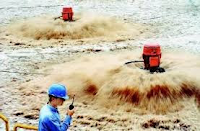
Aerators And Aerobic Digestion

CLICK HERE . . . to view . . . 

https://puricare.blogspot.com/2017/10/aerators-and-aerobic-digestion-aerobic.html

..........................................................................................................................................................................................................................................................................................

Essential Guide To Wastewater Treatment

CLICK HERE . . . to view . . . 

https://puricare.blogspot.com/2020/05/wastewater-our-essential-guide-to.html

..........................................................................................................................................................................................................................................................................................

Algae & Wastewater Treatment

CLICK HERE . . . to view . . . 

https://puricare.blogspot.com/2017/08/wastewater-treatment-putting-algae-to.html

..........................................................................................................................................................................................................................................................................................

Aerobic Wastewater Treatment Systems

CLICK HERE . . . to view . . . 

https://puricare.blogspot.com/2020/08/aerobic-wastewater-treatment-systems.html

Wednesday, December 23, 2020

WHAT IS ZERO LIQUID DISCHARGE AND HOW DOES IT WORK? - A ZLD treatment system utilizes advanced technological water treatment processes to limit liquid waste at the end of your industrial process to, as the name suggests, zero. Because of the broad range of industries that use ZLD and the various waste streams produced, ZLD is a highly custom process and these add ons will depend on your facility’s individual needs. Not every industrial facility that produces wastewater will require zero liquid discharge (ZLD). It is usually looked to as a last resort because it can be a complex process that requires a high initial investment. If a facility is located on a site that has severe water scarcity issues and/or astronomical discharge fees, it might be worthwhile to pursue, but in the instances it’s not mandated, careful consideration must be made as to whether or not it will benefit your facility. A ZLD treatment system utilizes advanced technological water treatment processes to limit liquid waste at the end of your industrial process to, as the name suggests, zero. An efficient and well-designed ZLD treatment system should be able to: handle variations in waste contamination and flow; allow for required chemical volumes adjustments; recover around 95% of your liquid waste for reuse; treat and retrieve valuable byproducts from your waste (i.e. salts and brines); produce a dry, solid cake for disposal

...........................................................................................................................................................................................................................................................................................................................................................................................................................................

What is Zero Liquid Discharge and How Does It Work?

.

A ZLD treatment system utilizes advanced technological water treatment processes to limit liquid waste at the end of your industrial process to, as the name suggests, zero. Because of the broad range of industries that use ZLD and the various waste streams produced, ZLD is a highly custom process and these add ons will depend on your facility’s individual needs.

SAMCO


Not every industrial facility that produces wastewater will require zero liquid discharge (ZLD).

It is usually looked to as a last resort because it can be a complex process that requires a high initial investment.

If a facility is located on a site that has severe water scarcity issues and/or astronomical discharge fees, it might be worthwhile to pursue, but in the instances it’s not mandated (some local and/or federal regulations might require ZLD), careful consideration must be made as to whether or not it will benefit your facility.

If your facility does require or is considering it, you might be wondering, “what is zero liquid discharge and how does it work?”

The complex answer to this question is simplified and broken down for you below:

What is a zero liquid discharge treatment system?

A ZLD treatment system utilizes advanced technological water treatment processes to limit liquid waste at the end of your industrial process to, as the name suggests, zero.

An efficient and well-designed ZLD treatment system should be able to:

o  handle variations in waste contamination and flow

o  allow for required chemical volumes adjustments

o  recover around 95% of your liquid waste for reuse

o  treat and retrieve valuable byproducts from your waste (i.e. salts and brines)

o  produce a dry, solid cake for disposal

A ZLD treatment system will also help your facility meet stringent effluent requirements, such as the U.S. Environmental Protection Agency’s Steam Electric Power Generating Effluent Guidelines.

Just keep in mind your facility’s requirements will vary based on whether you are discharging into a publicly owned treatment works (POTW) or to the environment under a National Pollutant Discharge Elimination System (NPDES permit).

What’s included in a basic ZLD treatment system?

The exact components of a ZLD treatment system will largely depend on

(1.) the volume of dissolved material present in the waste,

(2.) the system’s required flow rate, and

(3.) what specific contaminants are present. But in general, a basic ZLD treatment system typically includes some type of:

o  clarifier and/or reactor to precipitate out metals, hardness, and silica

o  chemical feed to help facilitate the precipitation, flocculation, or coagulation of any metals and suspended solids

o  filter press to concentrate secondary solid waste after pretreatment or alongside an evaporator

o  ultrafiltration (UF) to remove all the leftover trace amounts of suspended solids and prevent fouling, scaling, and/or corrosion down the line of treatment

o  reverse osmosis (RO) to remove the bulk of dissolved solids from the water stream in the primary phases of concentration

o  brine concentrators to further concentrate the reject RO stream or reject from electrodialysis to further reduce waste volume

o  evaporator for vaporizing access water in the final phases of waste concentration before crystallizer.

o  crystallizer to boil off any remaining liquid, leaving you with a dry, solid cake for disposal

Depending on the needs of your plant and process, these standard components are usually adequate, however, if your plant requires a system that provides a bit more customization, there might be some features or technologies you will need to add on.

Because of the broad range of industries that use ZLD and the various waste streams produced, ZLD is a highly custom process and these add ons will depend on your facility’s individual needs.

How does a ZLD treatment system work?

Specific treatment processes vary, but a typical ZLD treatment facility process will usually include the following steps:

Pretreatment and conditioning

Pretreatment is used to remove simple things from the wastewater stream that can be filtered or precipitated out, conditioning the water and reducing the suspended solids and materials that would otherwise scale and/or foul following treatment steps.

Typically this treatment block consists of some type of clarifier and/or a reactor to precipitate out metals, hardness, and silica.

Sometimes this step requires the addition of caustic soda or lime to help with coagulation, a process where various chemicals are added to a reaction tank to remove the bulk suspended solids and other various contaminants.

This process starts off with an assortment of mixing reactors, typically one or two reactors that add specific chemicals to take out all the finer particles in the water by combining them into heavier particles that settle out.

The most widely used coagulates are aluminum-based such as alum and polyaluminum chloride.

Sometimes a slight pH adjustment will help coagulate the particles, as well.

When coagulation is complete, the water enters a flocculation chamber where the coagulated particles are slowly stirred together with long-chain polymers (charged molecules that grab all the colloidal and coagulated particles and pull them together), creating visible, settleable particles that resemble snowflakes.

The gravity settler (or sedimentation part of the ZLD treatment process) is typically a large circular device where flocculated material and water flow into the chamber and circulate from the center out.

In a very slow settling process, the water rises to the top and overflows at the perimeter of the clarifier, allowing the solids to settle down to the bottom of the clarifier into a sludge blanket.

The solids are then raked to the center of the clarifier into a cylindrical tube where a slow mixing takes place and the sludge is pumped out of the bottom into a sludge-handling or dewatering operation.

The settlers can also be designed using a plate pack for smaller footprint.

Depending on the material in the feed, additional reactors or chemistry may be required for the reduction of metals or silica.

Careful consideration must be given to the pretreatment step for a successful ZLD system.

Ultrafiltration (UF) can also be used after the clarifiers instead of the gravity sand filter, or it can replace entire clarification process altogether.

Membranes have become the newest technology for treatment, pumping water directly from the wastewater source through the UF (post-chlorination) and eliminating the entire clarifier/filtration train.

Out of this process comes a liquid that is then filter-pressed into a solid, resulting in a solution much lower in suspended solids and without the ability to scale up concentration treatment.

Phase-one concentration

Concentrating in the earlier stages of ZLD is usually done with membranes like reverse osmosis (RO), brine concentrators, or electrodialysis.

The RO train will capture the majority of dissolved solids that flow through the process, but as mentioned in a prior article about common problems with ZLD, it’s important to flow only pretreated water through the RO system, as allowing untreated water to go through the semipermeable membranes will foul them quickly.

Brine concentrators, on the other hand, are also used to remove dissolved solid waste but they are usually able to handle brine with a much higher salt content than RO.

They are pretty efficient for turning out a reduced-volume waste.

Electrodialysis can also be used at this part of the ZLD treatment system.

It’s a membrane process that uses positively or negatively charged ions to allow charged particles to flow through a semipermeable membrane and can be used in stages to concentrate the brine. It is often used in conjunction with RO to yield extremely high recovery rates.

Combined, these technologies take this stream and concentrate it down to a high salinity while pulling out up to 60–80% of the water.

Evaporation/crystallization

After the concentration step is complete, the next step is generating a solid, which is done through thermal processes or evaporation, where you evaporate all the water off, collect it, and reuse it.

Adding acid at this point will help to neutralize the solution so, when heating it, you can avoid scaling and harming the heat exchangers.

Deaeration is often used at this phase to release dissolved oxygen, carbon dioxide, and other noncondensible gases.

The leftover waste then goes from an evaporator to a crystallizer, which continues to boil off all the water until all the impurities in the water crystallize and are filtered out as a solid.

Recycled water distribution/solid waste treatment

If the treated water is being reused in an industrial process, it’s typically pumped into a holding tank where it can be used based on the demands of the facility.

The ZLD treatment system should have purified the water enough to be reused safely in your process.

The solid waste, at this point, will enter a dewatering process that takes all the water out of the sludge with filter or belt presses, yielding a solid cake.

The sludge is put onto the press and runs between two belts that squeeze the water out, and the sludge is then put into a big hopper that goes to either a landfill or a place that reuses it.

The water from this process is also typically reused.

In conclusion

SAMCO has over 40 years’ experience custom-designing and manufacturing industrial wastewater treatment, so please feel free to reach out to us with your questions.

For more information or to get in touch, contact us here. You can also visit our website to set up a call with an engineer or request a quote.

We can walk you through the steps for developing the proper solution and realistic cost for your ZLD wastewater treatment system needs.

For more articles on wastewater treatment, head on over to our blog. Some that might be of interest to you include:

What Are the Best Companies for Zero Liquid Discharge Equipment and Technology?

How to Choose the Best ZLD System for Your Facility

How Much Will a Zero Liquid Discharge System Cost Your Facility?

What Is a Wastewater Treatability Study and How Does it Work?

How Much Does a Wastewater Treatment System Cost? (Pricing, Factors, Etc.)

The Importance of Wastewater Treatment for Your Facility: Is it Necessary?

How Do You Know If An Industrial Facility Needs a Wastewater Treatment System?

Whether you’re looking to improve your water or wastewater, or have process separation and purification needs to be met, here at SAMCO we’re ready to customize the right solution for you, as we’ve been doing it for over 40 years.

Established in Western New York in the 1950s as a soft water provider. Current owner purchased the industrial portion of that company in 1987 to form CS Kimeric. In 1998, after identifying the need for an integrated solutions partner – a company who could offer everything from concept to design fabrication – SAMCO was born.

https://www.samcotech.com/what-is-zero-liquid-discharge-and-how-does-it-work/


You might also like:


The Importance of Wastewater Treatment

CLICK HERE . . . to view . . . 

https://puricare.blogspot.com/2020/05/the-importance-of-wastewater-treatment.html

.............................................................................................................................................................................................................................................................................................

Electricity And Fuel From Wastewater 

CLICK HERE . . . to view . . . 

https://puricare.blogspot.com/2017/10/electricity-and-fuel-from-wastewater-in.html

.............................................................................................................................................................................................................................................................................................

Drinking Water From Salt Water

CLICK HERE . . . to view . . . 

https://puricare.blogspot.com/2017/12/drinking-water-from-salt-water.html

.............................................................................................................................................................................................................................................................................................

 Cooling tower blowdown

CLICK HERE . . . to view . . . 

https://puricare.blogspot.com/2020/02/cooling-tower-blowdown-ctbd-treatment.html

.............................................................................................................................................................................................................................................................................................

Removal Of Suspended Particles From Water

CLICK HERE . . . to view . . . 

https://puricare.blogspot.com/2018/08/removal-of-suspended-particles-from.html

.............................................................................................................................................................................................................................................................................................

Difference Between Dialysis and Ultrafiltration

CLICK HERE . . . to view . . . 

https://puricare.blogspot.com/2016/09/dialysis-and-ultrafiltration-dialysis.html