Showing posts with label Nutrients. Show all posts

Monday, January 11, 2021

ACTIVATED SLUDGE WASTEWATER TREATMENT - The activated sludge wastewater treatment process is widely used and relied on by many municipalities. This process utilizes a multi-chamber reactor unit that uses microorganisms as a method to remove nutrients from the water. Oxygen is used to establish and regulate aerobic conditions and to suspend the sludge. The activated sludge wastewater treatment provides many advantages, but it may not be appropriate in all situations. The activated sludge process is an integral process used to treat wastewater. Air or oxygen is blown into raw sewage. It is most effective for large volumes of water. Wastewater is mixed and aerated in a special tank. This step in the process occurs by pumping air or oxygen into the activated sludge tank or using surface aerators. The process oxidizes organic matters in the wastewater, producing new cells, carbon dioxide, and water. The sludge particles can then be removed through the process of gravity settling. Activated sludge sewage treatment is ideally completed in a centralized treatment facility. The treatment of activated sludge can occur in most climates. The activated sludge process in the treatment of wastewater involves blowing oxygen or air into raw, unsettled sewage. The sewage is bubbled, and sewage liquor is discharged into an activated sludge chamber. Live bacteria settle to the bottom of the tank and dead bacteria float to the top.

............................................................................................................................................................................................................................................................................................................................................................................................

Activated Sludge Wastewater Treatment

How Does Activated Sludge Wastewater Treatment Work?

Written by AOS Treatment Solutions


The activated sludge wastewater treatment process is widely used and relied on by many municipalities.

This process utilizes a multi-chamber reactor unit that uses microorganisms as a method to remove nutrients from the water.

Oxygen is used to establish and regulate aerobic conditions and to suspend the sludge.

The activated sludge wastewater treatment provides many advantages, but it may not be appropriate in all situations.

WHAT IS ACTIVATED SLUDGE WASTEWATER TREATMENT?

The activated sludge process is an integral process used to treat wastewater.

Air or oxygen is blown into raw sewage. It is most effective for large volumes of water.

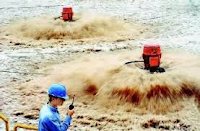
Wastewater is mixed and aerated in a special tank. This step in the process occurs by pumping air or oxygen into the activated sludge tank or using surface aerators.

The process oxidizes organic matters in the wastewater, producing new cells, carbon dioxide, and water.

The sludge particles can then be removed through the process of gravity settling.

Activated sludge sewage treatment is ideally completed in a centralized treatment facility.

The treatment of activated sludge can occur in most climates. However, colder environments reduce the treatment capacity.

AOS professionals can discuss activated sludge treatment methods and other wastewater treatment services during a thorough consultation.

HOW DOES THE ACTIVATED SLUDGE PROCESS WORK?

The activated sludge process in the treatment of wastewater involves blowing oxygen or air into raw, unsettled sewage.

This process smashes the solids. The sewage is bubbled, and sewage liquor is discharged into an activated sludge chamber.

Live bacteria settle to the bottom of the tank and dead bacteria float to the top.

Clean water is discharged into a soakaway or watercourse while the live bacteria return to the digestion chamber.

It is important to understand what activated sludge is to comprehend how the complete activated sludge system works.

The sludge is considered activated because the particles are actively swarming with beneficial bacteria that digest the sewage.

ADVANTAGES OF THE ACTIVATED SLUDGE TREATMENT PROCESS

The activated sludge treatment process provides many significant advantages over other options.

Sewage treatment plants that primarily use the process for the treatment of activated sludge offer the following advantages:

o     The amount of undesired sludge is reduced.

o     The sewage treatment plants re-seed themselves with beneficial bacteria.

o     The activated sludge treatment process allows the emptying intervals to be longer.

o     The process is very reliable.

o     The process is more simple.

o     Costs are reduced.

o     The process can be odorless.

The activated sludge treatment process is one of the water treatment services that AOS has provided for decades. Our professionals can discuss if this method is appropriate, as well as other services that we provide.

DISADVANTAGES OF THE ACTIVATED SLUDGE TREATMENT PROCESS

The activated sludge treatment process does have some drawbacks and may not be appropriate for all applications.

Some disadvantages associated with activated sludge include:

o     There are initial high capital and operating costs that may deter some facilities from utilizing this method.

o     Experts are required to design and construct the activated sludge system.

o     Skilled personnel must operate and maintain the treatment of activated sludge.

o     Electricity must be continuously used, increasing wastewater treatment energy consumption.

o     Parts and materials may not be available on a local level.

o     Sludge and effluent might require further treatment or appropriate discharge.

The activated sludge treatment process can provide an effective method to treat wastewater.

Contact AOS today to discuss whether activated sludge is a process that is appropriate for you.

AOS TREATMENT SOLUTIONS

Since 1999, AOS Treatment Solutions has provided specialized treatment of water and wastewater to the industrial and municipal markets. Over the years, we have become a leading water/wastewater treatment company utilizing an analytical and scientific approach to developing optimum treatment programs. Through our meticulous testing methodology, we find cost effective solutions to meet the needs of all our customers.

At AOS, our goal is to provide clients with a single-point source for all their water and wastewater treatment needs. We use the latest testing equipment and analyzers to deliver practical solutions that enhance operational reliability.

https://aosts.com/how-does-activated-sludge-wastewater-treatment-work/


You might also like:


Activated Sludge Process

CLICK HERE . . . to view . . . 

https://puricare.blogspot.com/2020/11/activated-sludge-process-activated.html

..........................................................................................................................................................................................................................................................................................

ADVANCED OXIDATION Waste Water Treatment System 

simulates nature’s way of processing waste water .

CLICK HERE . . . to view . . . 

https://puricare.blogspot.com/2016/05/advanced-oxidation-waste-water.html

..........................................................................................................................................................................................................................................................................................

Wastewater Treatment

CLICK HERE . . . to view . . . 

https://puricare.blogspot.com/2020/06/wastewater-treatment-wastewater.html

..........................................................................................................................................................................................................................................................................................
Aerators And Aerobic Digestion

CLICK HERE . . . to view . . . 

https://puricare.blogspot.com/2017/10/aerators-and-aerobic-digestion-aerobic.html

..........................................................................................................................................................................................................................................................................................

Essential Guide To Wastewater Treatment

CLICK HERE . . . to view . . . 

https://puricare.blogspot.com/2020/05/wastewater-our-essential-guide-to.html

..........................................................................................................................................................................................................................................................................................

Algae & Wastewater Treatment

CLICK HERE . . . to view . . . 

https://puricare.blogspot.com/2017/08/wastewater-treatment-putting-algae-to.html

..........................................................................................................................................................................................................................................................................................

Aerobic Wastewater Treatment Systems

CLICK HERE . . . to view . . . 

https://puricare.blogspot.com/2020/08/aerobic-wastewater-treatment-systems.html

Wednesday, October 31, 2018

STREAMS AND RIVERS WATER QUALITY - A stream is impaired when it cannot fulfill its functions like fish protection & propagation, recreation, and public water supply. Coliform bacteria inhabit the gut of animals, and are a good indicator of fecal contamination. When there is a high count of coliform bacteria the water also contains microorganism that can make us sick. Silt and clay may occur naturally in the environment but when they enter streams in large quantity, they become a serious pollution problem. Nutrient pollution occurs when excess nitrogen and phosphorus make their way into a stream or river. These elements are then picked up by algae, allowing them to grow rapidly to the detriment of the aquatic ecosystem.

JavaSea_Mangiwau_MomentOpen_Getty.jpg
..............................
Streams And Rivers Water Quality
Water Pollution in Streams and Rivers
by Frederic Beaudry


About one third of the nation’s rivers and streams are routinely assessed for water quality by the Environmental Protection Agency (EPA).
Out of the 1 million miles of streams examined, over half had waters considered impaired.
A stream is categorized as impaired when it cannot fulfill at least one of its uses, which include a variety of functions like fish protection & propagation, recreation, and public water supply.
Here are the 3 most significant causes of stream and river pollution, in order of importance:
1. Bacteria. Contamination of water by certain types of bacteria is certainly a human health issue, as we are particularly susceptible to disease-causing gut bacteria. 
Beach safety is routinely monitored through coliform bacteria counts. Coliform bacteria inhabit the gut of animals, and are a good indicator of fecal contamination.
When there is a high count of coliform bacteria, the odds are high that the water also contains microorganism that can make us sick.
Gut bacteria contamination can come from municipal sewage treatment plants that overflow during heavy rain events, or from leaky septic tank systems. Abundant animals near the water, for example ducks, geese, gulls, or cattle, can also result in bacteria contamination.
2. Sediment.  Fine-grained particles like silt and clay may occur naturally in the environment but when they enter streams in large quantity, they become a serious pollution problem.
Sediments come from the many ways soil can be eroded on land and carried into streams. Common causes of erosion are road construction, building construction, deforestation, and agricultural activities.
Anytime there is a significant removal of the natural vegetation, the potential for erosion exists. In the United States, vast farm fields are left barren much of the year, and as a result rain and melting snow wash away soil into streams and rivers.
In streams, sediments block sunlight and thus impede the growth of aquatic plants. Silt can smother the gravel beds necessary for fish to lay eggs.
Sediments that remain suspended in the water are eventually carried off into coastal zones, where they affect marine life.
3. Nutrients. Nutrient pollution occurs when excess nitrogen and phosphorus make their way into a stream or river. These elements are then picked up by algae, allowing them to grow rapidly to the detriment of the aquatic ecosystem.
Overabundant algae blooms can lead to toxin build-up, oxygen level drops, fish kills, and poor conditions for recreation.
Nutrient pollution and the subsequent algae blooms are to blame for Toledo’s drinking water shortage in the summer of 2014.
Nitrogen and phosphorus pollution comes from inefficient sewage treatment systems, and from a common practice in large-scale farms: synthetic fertilizers are often applied in fields at greater concentrations than the crops can use, and the excess winds up in streams.
Concentrated livestock operations (for example, dairy farms or cattle feedlots) lead to large accumulations of manure, with nutrient runoff difficult to manage.
Not surprisingly, the most widespread source of stream pollution is reported by the EPA to be agriculture.
Other important sources of problems are atmospheric deposition (usually air pollution that is brought into streams with rainfall), and the presence of dams, reservoirs, stream channels, and other engineered structures.

Frederic Beaudry
·   Associate professor of environmental science
·   Wildlife biologist
·   Holds a Ph.D. Wildlife Ecology and a Master's degree in Natural Resources
Experience
Dr. Frederic Beaudry is a former writer for ThoughtCo and contributed work for three years. He is an associate professor of environmental science at Alfred University in New York. Prior to teaching, he worked as a wildlife biologist focusing on the ecology and conservation of birds and turtles. Dr. Beaudry has authored several scientific papers on land use and conservation and has conducted research examining land use changes and their effects on bird and amphibian communities.
Education
·   Ph.D., Wildlife Ecology, University of Maine
·   M.A., Natural Resources, Humboldt State University
·   B.S., Biology, Université du Québec à Rimouski
·   Postdoctoral research at the University of Wisconsin-Madison
ThoughtCo and Dotdash
ThoughtCo is a premier reference site focusing on expert-created education content. We are one of the top-10 information sites in the world as rated by comScore, a leading Internet measurement company. Every month, more than 13 million readers seek answers to their questions on ThoughtCo.
For more than 20 years, Dotdash brands have been helping people find answers, solve problems, and get inspired. We are one of the top-20 largest content publishers on the Internet according to comScore, and reach more than 30% of the U.S. population monthly. Our brands collectively have won more than 20 industry awards in the last year alone, and recently Dotdash was named Publisher of the Year by Digiday, a leading industry publication.


JavaSea_Mangiwau_MomentOpen_Getty.jpg