Showing posts with label Hair loss. Show all posts

Sunday, March 15, 2020

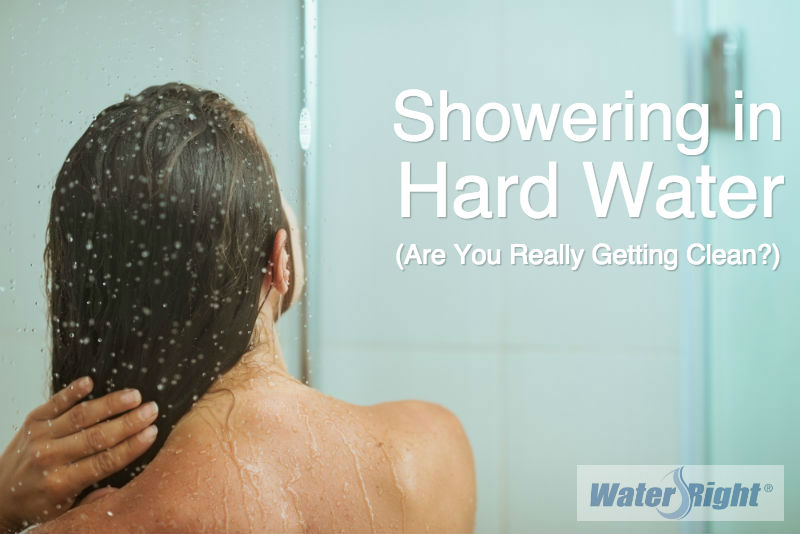
SHOWERING IN HARD WATER - When you bathe or shower in hard water, you may not be getting as clean as you should. Here’s why… Dissolved minerals like calcium and magnesium are what make the water in your home hard. Those minerals also create an undesirable chemical reaction with your soap, shampoo, and body wash as well as shaving cream. What happens is the calcium and magnesium ions in hard water react with fatty acids in soap to form insoluble lime soaps, which are ineffective at cleaning. If you have hard water, the same disgusting soap scum you’re always scrubbing in the tub is on your body too. The best way to know if you’re dealing with hard water problems in the shower is to look at how well you’re lathering up. Hard water prevents you from getting a nice soapy lather in the shower. When you have soft water, it’s much easier to produce a foamy lather from your soap and shampoo. After installing a water softener in their home, some people notice their skin feels slick and even slippery after bathing. Part of this may be due to the fact you aren’t accustomed to how truly-clean skin feels. What you feel might simply be the real you. But you may also be in the habit of using too much soap. You won’t need to use as much with soft water.


................................................................................................................................................................

hard-water-hairShowering in hard water
Are you really getting clean?
Water-Right


For many of us, taking a shower is priceless personal time. You’re alone with your thoughts getting ready for the day, winding down from a workout or hectic daily schedule.
You are supposed to get out feeling clean and refreshed. But if you’re showering in hard water, your showering experience could definitely be better.
In fact, when you bathe or shower in hard water, you may not be getting as clean as you should. Here’s why…
How Minerals in Hard Water Keep You from Getting Clean
Dissolved minerals like calcium and magnesium are what make the water in your home hard.
Those minerals also create an undesirable chemical reaction with your soap, shampoo, and body wash as well as shaving cream.
What happens is the calcium and magnesium ions in hard water react with fatty acids in soap to form insoluble lime soaps, which are ineffective at cleaning.
If you were paying attention during Chemistry class, here’s the chemical equation:
2 C17H35COO−Na+ + Ca2+ (C17H35COO)2Ca + 2 Na+
In this chemical reaction, positively-charged calcium ions replace sodium ions in your shampoo or soap leaving scum and lime scale deposits on your skin and in your hair.
That’s right. If you have hard water, the same disgusting soap scum you’re always scrubbing in the tub is on your body too.
The best way to know if you’re dealing with hard water problems in the shower is to look at how well you’re lathering up.
Hard water prevents you from getting a nice soapy lather in the shower. When you have soft water, it’s much easier to produce a foamy lather from your soap and shampoo.
After installing a water softener in their home, some people notice their skin feels slick and even slippery after bathing.
Part of this may be due to the fact you aren’t accustomed to how truly-clean skin feels. What you feel might simply be the real you.
But you may also be in the habit of using too much soap. You won’t need to use as much with soft water.
How Hard Water Affects Your Hair
Have you ever noticed how your hair can look and feel different when you shower in different places?
Your hair behaves one way after showering at the gym, turns out another way when you’re vacationing or staying in a hotel, and looks completely different when you wash your hair at home.
That’s most likely because the hardness of the water varies from location to location.
A writer for the beauty website xoVain experienced some hard water showering issues when she vacationed in rural Wisconsin.
She provides some great advice for showering in different types of water.
If you have hard water at home, your hair may feel dry all the time and become frizzy making it tangled and difficult to manage.
It may also have a dull, lifeless appearance. That’s because those minerals and deposits build up in your hair.
With a water softener in your home, those hard water issues are eliminated. You will find that your hair has a more-attractive shine when you shower in softened water.
And soft water will make your hair more manageable, so it’s easier for you to style it the way you want.
Sometimes people with finer hair complain that soft water can make their hair feel flat or even greasy.
This is probably because you’re using too much soap and not rinsing it out of the hair completely. Rinsing your hair in the shower for a little longer may solve that problem.
Of all the hard water hair issues, the scariest has to be hair loss. Calcium build up can form around the base of hair follicles causing hair to break off and potentially hindering growth of new hair.
How Hard Water Affects Your Skin
Hard water can give you skin troubles too. Let’s start with the scalp.
The calcium salts that build up in your scalp can cause dryness and flaking, AKA dandruff.
You might assume it’s the shampoo you buy causing dandruff. But hard water may be the real culprit.
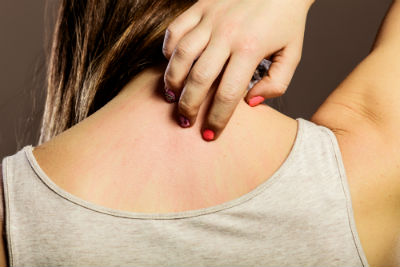
Hard water can make the rest of your skin feel dry and itchy as well. That’s thanks to the soapy residue left on your body, which clogs pores.
Plus, the minerals in hard water can suck moisture right out of your skin leaving it even more dry and irritated.
In fact, certain studies indicate hard water may cause additional aggravation in people with skin conditions like eczema and dermatitis.
According to the dermatology site DermaHarmony.com:
“While hard water itself doesn’t cause dermatitis, it can irritate the condition or even initiate a flare-up. The combination of hard water with a co-existing dermatitis condition can lead to more frequent and severe outbreaks.”
Even washing clothes in hard water can be problematic to those with sensitive skin. Hard water leaves soap residue on your laundry too, and that residue is in contact with your skin all day long.
If you have sensitive skin, the soft water a high-quality water softener provides could help you avoid much of the dehydration that occurs.
As the American Cleaning Institute explains, soap’s “effectiveness is reduced when used in hard water.”
That means not only will you fail to get clean in the shower, it will be tougher to keep your house clean as well.
With hard water, you’ll end up using more soap to keep your body clean and more product to clean your home too. Softer water could mean you save significant money and time in the long run.
What Can You Do?
If you have a private well, you’re definitely dealing with hard water. But the majority of municipal water sources have levels of hardness as well.
According to the USGS, in the United States, 85% of the water is considered hard.
There are certainly little tips and tricks you can use to try and improve your showering experience. However, there’s really only one permanent solution… that’s a water softener.
Water softeners remove those dissolved minerals from the water in your home. They are an investment that will make life for you and your family more convenient and more enjoyable.
Want to learn more about water conditioning options and what kind of water softener would be ideal for your home? Water-Right’s product lines are among the best residential water treatment options in the industry.

Constant innovation and no shortcuts. Water-Right is first and foremost a company built on integrity. Since 1963, we’ve done things the right way. Our value set has driven the development of the finest water treatment systems, making it easy for industry professionals to satisfy today’s demand for the highest quality water.
Keeping water clean and safe is an increasingly difficult challenge. That’s why we push to make good products better, create industry-leading technology, and offer a state-certified, independent lab specializing in water testing. It’s about making life better as well as providing “The Right Water for Life.”
hard-water-skin

Saturday, January 18, 2020

HAIR LIGHTENING WITH HYDROGEN PEROXIDE - Hydrogen peroxide can be used as a hair lightener. While it’s generally safe to use hydrogen peroxide on your skin and hair, it can cause skin, lung, and eye irritation. Hair dye with hydrogen peroxide is considered permanent dye, which means that it will only go away as new hair grows. This is because hydrogen peroxide works in the hair cortex, the innermost part of the hair that holds the pigment that gives hair its color. Although you can use hydrogen peroxide on your skin as a disinfectant, it can irritate your skin if you use too much. Hydrogen peroxide is a type of oxidative hair dye. This means it causes a chemical reaction in the hair cortex that leads to the new hair color. While oxidative dyes are more permanent than other dyes, this also means they cause oxidative stress for your hair. This stress ages your hair and can cause hair loss.

Image result for images hydrogen peroxide and hair
...........................................................................................................................................................
Image result for images hydrogen peroxide and hair Hair Lightening With Hydrogen Peroxide
Is Lightening Your Hair with Hydrogen Peroxide Damaging?
Healthline


Hydrogen peroxide is a colorless liquid chemical. Some small amounts occur naturally, but the hydrogen peroxide you find in stores or salons is synthesized in labs.
Image result for images hydrogen peroxide and hairHydrogen peroxide is sold in drugstores and grocery stores at a low concentration, usually at 3 to 9 percent.
It can be used as a disinfectant and as bleach, including as a hair lightener. Because of this, hydrogen peroxide is an ingredient in many blonde hair dyes.
While it’s generally safe to use hydrogen peroxide on your skin and hair, it can cause skin, lung, and eye irritation.
Hydrogen peroxide to lighten hair
Hydrogen peroxide is commonly used to lighten hair. It may be used on its own or in other blonde dyes.
Hair dye with hydrogen peroxide is considered permanent dye, which means that it will only go away as new hair grows.
This is because hydrogen peroxide works in the hair cortex, the innermost part of the hair that holds the pigment that gives hair its color.
Hydrogen-peroxide-based dyes alone can help take your hair to a light blonde color.
These dyes are also often used to turn dark hair a lighter color before adding another color of dye. It can turn dark brown hair red, for example.
Hydrogen peroxide and hair damage
Hydrogen peroxide is generally safe for your hair, but it can cause some issues, even in the concentrations you can buy for home use.
Skin irritation
Image result for images hydrogen peroxide and hairAlthough you can use hydrogen peroxide on your skin as a disinfectant, it can irritate your skin if you use too much.
When dyeing your hair with hydrogen peroxide, you might experience irritation on your scalp and around your hairline.
You can help prevent irritation by making sure your hairline is protected by petroleum jelly and clean cotton, and keeping the hydrogen peroxide in your hair for as little time as possible.
Damage to the hair cuticle
The cuticle is the outer layer of your hair. It protects and helps strengthen it.
Lightening your hair with hydrogen peroxide can damage the cuticle, because the hydrogen peroxide needs to enter through your hair cuticle to dye the hair.
Cuticle damage can lead to breakage, split ends, and frizz.
Deep conditioner treatments will help reduce damage to the hair cuticle.
Hair loss
Hydrogen peroxide is a type of oxidative hair dye. This means it causes a chemical reaction in the hair cortex that leads to the new hair color.
While oxidative dyes are more permanent than other dyes, this also means they cause oxidative stress for your hair. This stress ages your hair and can cause hair loss.
Breakage from damage to the hair cuticle can also lead to hair loss.
How to lighten hair with hydrogen peroxide
Image result for images hydrogen peroxide and hairThe safest way to lighten your hair is at a salon. However, you can safely use hydrogen peroxide to lighten your hair at home — you just need to be careful.
Make sure you dilute the hydrogen peroxide, protect the skin around your hairline, and go slowly to get the right color without irritating your skin.
Dyes containing hydrogen peroxide
Many permanent dyes you can buy in a drugstore include hydrogen peroxide. These dyes use hydrogen peroxide to strip your natural hair color and make the dye last longer.
Hydrogen peroxide and baking soda
Baking soda is an alkaline, which helps hydrogen peroxide work better in two ways.
First, it opens up the cuticle to allow the hydrogen peroxide to get into the hair cortex more easily. Second, when mixed with hydrogen peroxide, it helps break down the melanin in hair.
To lighten your hair with hydrogen peroxide and baking soda, mix the two ingredients into a paste, and spread it evenly throughout your hair.
Leave it on for 15 minutes to an hour, depending on how dark your hair is, and then rinse it out with cold water.
Hydrogen peroxide alone
Image result for images hydrogen peroxide and hairThe first step to dyeing your hair with hydrogen peroxide is to protect your skin. Cover your hairline with petroleum jelly and a cotton strip (if you have one), and wear gloves. Then you’re ready to dye.
Make a mix of half hydrogen peroxide and half water. Put it in a spray bottle and spray a small test piece first. This is to make sure that you don’t have an allergic reaction and you’re happy with the resulting color.
Once you’re satisfied with the color, cover your neck and shoulders with a clean towel you don’t mind staining.
Then saturate your hair with the hydrogen peroxide solution and leave it on for 15 minutes to an hour. Rinse your hair well.
At a salon
A trained hairstylist and colorist can use hydrogen peroxide in a salon to lighten your hair. They’ll make sure to match the final color to your skin tone and can add highlights if necessary.
Alternative hair-lightening products
Image result for images hydrogen peroxide and hairIf you’re worried about the safety of hydrogen peroxide or don’t want to make your hair too blonde, there are other ways to lighten your hair. These include:
Lemon juice
Lemon juice works best on dark blonde or light brown hair.
Combine lemon juice with water and saturate your hair with the mixture. Let your hair dry for a few hours — preferably in the sun — and then rinse it out.
Apple cider vinegar
Mix one part apple cider vinegar with six parts water and spray it all over your hair.
Leave the mixture on for 15 to 20 minutes, and then rinse thoroughly. This color change might be more subtle than some of the others.
Chamomile
Brew a strong cup of chamomile tea and saturate your hair. This lightens your hair gradually, but should work for most hair colors. Chamomile can also brighten dull blonde hair.
Cinnamon
Cinnamon is a great way to bring out red and blonde highlights in your hair.
Just mix cinnamon powder with water to form a paste, and it spread throughout your hair. Cover your hair, leave the paste on for several hours, and then rinse.
Honey
Mix honey with warm water and spread it throughout your hair. Wrap up your hair and leave the mixture on for several hours.
You can even leave the honey on as long as overnight, since it only lightens your hair slightly. Then rinse it out.
The takeaway
Hydrogen peroxide and dyes containing it are a safe way to lighten your hair.
However, it’s best used in a salon to minimize hair damage and ensure you get the right color.

Healthline covers all facets of physical and mental health openly and objectively because we’re here for the whole person — for your whole life. And because people come to us with unique challenges we listen closely and put empathy first across our organization. In everything from our personal perspectives to our commitment to inclusivity, you’ll see that we feel with you. 
We hope you tap into all of Healthline’s resources — from our health and wellness library and newsletters to our apps, podcasts, and communities.
Image result for images hydrogen peroxide and hair
Image result for images hydrogen peroxide and hairImage result for images hydrogen peroxide and hairImage result for images hydrogen peroxide and hair
Image result for images hydrogen peroxide and hair