Showing posts with label Waterways. Show all posts

Monday, December 30, 2019

CANALS - A canal is a manmade waterway that allows boats and ships to pass from one body of water to another. Canals are also used to transport water for irrigation and other human uses. While the advent of more efficient forms of transportation has reduced the need for canals, they still play a vital role as conduits for transportation and fostering global commerce. There are two types of canals: waterways and aqueducts. Waterways are the navigable parts of a body of water, and can be located within a bay or open sea, can connect two or more waterbodies, or may even form networks within a city. Aqueducts are used exclusively to transport water for drinking, agriculture, and hydroelectric power. The word "canal" derives from the Old French word chanel, which means “channel.” The oldest known canals are aqueducts built in Mesopotamia thousands of years ago. Canals have played an important role in connecting cultures and facilitating commerce.

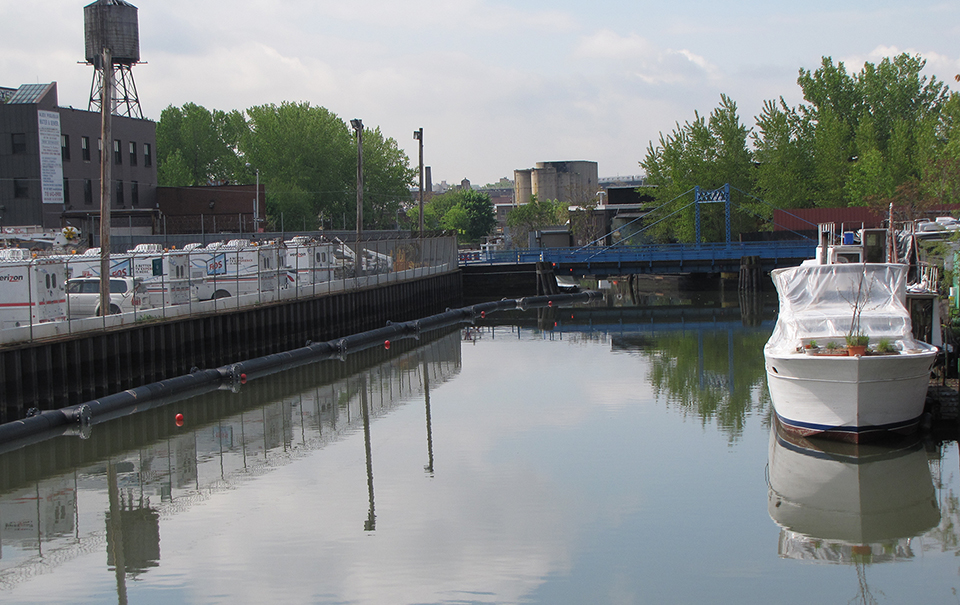
The Gowanus canal at Carroll Street where some of the highest sediment contamination is found
The Gowanus Canal was built in the mid-1800s and once served as a major commercial route to New York Harbor. A variety of industries that operated along its banks released contaminants into the canal. Sewer overflows also contribute to the pollution, which negatively impacts fishing and recreation for nearby residents. NOAA is working with the U.S. Environmental Protection Agency and the City of New York to assess the damage and propose ways to mitigate it.
.................................................................................................................................................................
Canals
What is a canal?
The National Ocean Service


A canal is a manmade waterway that allows boats and ships to pass from one body of water to another.
Canals are also used to transport water for irrigation and other human uses.
While the advent of more efficient forms of transportation has reduced the need for canals, they still play a vital role as conduits for transportation and fostering global commerce.
There are two types of canals: waterways and aqueducts.
Waterways are the navigable parts of a body of water, and can be located within a bay or open sea, can connect two or more waterbodies, or may even form networks within a city.
Aqueducts are used exclusively to transport water for drinking, agriculture, and hydroelectric power.
The word "canal" derives from the Old French word chanel, which means “channel.”
The oldest known canals are aqueducts built in Mesopotamia thousands of years ago. Since then, canals have played an important role in connecting cultures and facilitating commerce.
The Panama Canal, which connects the Atlantic and Pacific Oceans, was expanded in 2016 to accommodate modern large-scale cargo ships.
NOAA played a role in ensuring that the shipment of goods through the larger canal would remain safe and efficient. 
NOAA’s Navigation Response Teams assisted the Panama Canal Authority by participating in exercises to ensure that evacuation plans and safety precautions were operational in the event of an emergency. 
NOAA also installed its Physical Oceanographic Real-Time System (PORTS®) system at Port Miami, allowing super-sized ships that pass through the Panama Canal to safely and efficiently enter the busy U.S. seaport.
Did you know?
Venice and Amsterdam are Europe’s most famous canal cities, but did you know that the U.S. has a few of its own?
More than just a popular spring break destination, Fort Lauderdale, Florida is also called the “Venice of America.”
And the aptly named Venice Beach, California, boasts its own historic canal district.

The National Ocean Service provides data, tools, and services that support coastal economies and their contribution to the national economy. NOS is dedicated to advancing the following priorities:
Our mission is to provide science-based solutions through collaborative partnerships to address evolving economic, environmental, and social pressures on our ocean and coasts.
The Gowanus canal at Carroll Street where some of the highest sediment contamination is found

Tuesday, December 10, 2019

DREDGING - Dredging is the removal of sediments and debris from the bottom of lakes, rivers, harbors, and other water bodies. It is a routine necessity in waterways around the world because sedimentation — the natural process of sand and silt washing downstream — gradually fills channels and harbors. As sand and silt washes downstream, sedimentation gradually fill channels and harbors. This material must be periodically removed by dredging. Dredging often is focused on maintaining or increasing the depth of navigation channels, anchorages, or berthing areas to ensure the safe passage of boats and ships. Vessels require a certain amount of water in order to float and not touch bottom. This water depth continues to increase over time as larger and larger ships are deployed. Since massive ships carry the bulk of the goods imported into the country, dredging plays a vital role in the nation's economy.

As sand and silt washes downstream, sedimentation gradually fill channels and harbors. This material must be periodically removed by dredging. (Image credit: U.S. Environmental Protection Agency)
.............................................................................................................................................................
Dredging
What is dredging?
The National Ocean Service


Dredging is the act of removing silt and other material from the bottom of bodies of water
As sand and silt washes downstream, sedimentation gradually fill channels and harbors. This material must be periodically removed by dredging.
Dredging is the removal of sediments and debris from the bottom of lakes, rivers, harbors, and other water bodies.
It is a routine necessity in waterways around the world because sedimentation — the natural process of sand and silt washing downstream — gradually fills channels and harbors.
Dredging often is focused on maintaining or increasing the depth of navigation channels, anchorages, or berthing areas to ensure the safe passage of boats and ships.
Vessels require a certain amount of water in order to float and not touch bottom. This water depth continues to increase over time as larger and larger ships are deployed.
Since massive ships carry the bulk of the goods imported into the country, dredging plays a vital role in the nation's economy.
Dredging is also performed to reduce the exposure of fish, wildlife, and people to contaminants and to prevent the spread of contaminants to other areas of the water body.
This environmental dredging is often necessary because sediments in and around cities and industrial areas are frequently contaminated with a variety of pollutants.
These pollutants are introduced to waterways from point sources such as sewer overflows, municipal and industrial discharges, and spills; or may be introduced from nonpoint sources such as surface runoff and atmospheric deposition.
NOAA's Office of Response and Restoration plays a major role in protecting and restoring marine natural resources when environmental damage occurs.
The disposal of dredged material is managed and carried out by federal, state, and local governments, as well as by private entities such as port authorities.
The U.S. Army Corps of Engineers issues permits for the disposal of dredged material; the U.S. Environmental Protection Agency provides oversight and authorization for the disposal of dredged materials.

The National Ocean Service provides data, tools, and services that support coastal economies and their contribution to the national economy. NOS is dedicated to advancing the following priorities:
Our mission is to provide science-based solutions through collaborative partnerships to address evolving economic, environmental, and social pressures on our ocean and coasts.

As sand and silt washes downstream, sedimentation gradually fill channels and harbors. This material must be periodically removed by dredging. (Image credit: U.S. Environmental Protection Agency)