Showing posts with label sewage. Show all posts

Monday, January 11, 2021

ACTIVATED SLUDGE WASTEWATER TREATMENT - The activated sludge wastewater treatment process is widely used and relied on by many municipalities. This process utilizes a multi-chamber reactor unit that uses microorganisms as a method to remove nutrients from the water. Oxygen is used to establish and regulate aerobic conditions and to suspend the sludge. The activated sludge wastewater treatment provides many advantages, but it may not be appropriate in all situations. The activated sludge process is an integral process used to treat wastewater. Air or oxygen is blown into raw sewage. It is most effective for large volumes of water. Wastewater is mixed and aerated in a special tank. This step in the process occurs by pumping air or oxygen into the activated sludge tank or using surface aerators. The process oxidizes organic matters in the wastewater, producing new cells, carbon dioxide, and water. The sludge particles can then be removed through the process of gravity settling. Activated sludge sewage treatment is ideally completed in a centralized treatment facility. The treatment of activated sludge can occur in most climates. The activated sludge process in the treatment of wastewater involves blowing oxygen or air into raw, unsettled sewage. The sewage is bubbled, and sewage liquor is discharged into an activated sludge chamber. Live bacteria settle to the bottom of the tank and dead bacteria float to the top.

............................................................................................................................................................................................................................................................................................................................................................................................

Activated Sludge Wastewater Treatment

How Does Activated Sludge Wastewater Treatment Work?

Written by AOS Treatment Solutions


The activated sludge wastewater treatment process is widely used and relied on by many municipalities.

This process utilizes a multi-chamber reactor unit that uses microorganisms as a method to remove nutrients from the water.

Oxygen is used to establish and regulate aerobic conditions and to suspend the sludge.

The activated sludge wastewater treatment provides many advantages, but it may not be appropriate in all situations.

WHAT IS ACTIVATED SLUDGE WASTEWATER TREATMENT?

The activated sludge process is an integral process used to treat wastewater.

Air or oxygen is blown into raw sewage. It is most effective for large volumes of water.

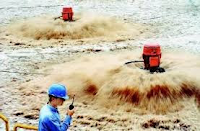
Wastewater is mixed and aerated in a special tank. This step in the process occurs by pumping air or oxygen into the activated sludge tank or using surface aerators.

The process oxidizes organic matters in the wastewater, producing new cells, carbon dioxide, and water.

The sludge particles can then be removed through the process of gravity settling.

Activated sludge sewage treatment is ideally completed in a centralized treatment facility.

The treatment of activated sludge can occur in most climates. However, colder environments reduce the treatment capacity.

AOS professionals can discuss activated sludge treatment methods and other wastewater treatment services during a thorough consultation.

HOW DOES THE ACTIVATED SLUDGE PROCESS WORK?

The activated sludge process in the treatment of wastewater involves blowing oxygen or air into raw, unsettled sewage.

This process smashes the solids. The sewage is bubbled, and sewage liquor is discharged into an activated sludge chamber.

Live bacteria settle to the bottom of the tank and dead bacteria float to the top.

Clean water is discharged into a soakaway or watercourse while the live bacteria return to the digestion chamber.

It is important to understand what activated sludge is to comprehend how the complete activated sludge system works.

The sludge is considered activated because the particles are actively swarming with beneficial bacteria that digest the sewage.

ADVANTAGES OF THE ACTIVATED SLUDGE TREATMENT PROCESS

The activated sludge treatment process provides many significant advantages over other options.

Sewage treatment plants that primarily use the process for the treatment of activated sludge offer the following advantages:

o     The amount of undesired sludge is reduced.

o     The sewage treatment plants re-seed themselves with beneficial bacteria.

o     The activated sludge treatment process allows the emptying intervals to be longer.

o     The process is very reliable.

o     The process is more simple.

o     Costs are reduced.

o     The process can be odorless.

The activated sludge treatment process is one of the water treatment services that AOS has provided for decades. Our professionals can discuss if this method is appropriate, as well as other services that we provide.

DISADVANTAGES OF THE ACTIVATED SLUDGE TREATMENT PROCESS

The activated sludge treatment process does have some drawbacks and may not be appropriate for all applications.

Some disadvantages associated with activated sludge include:

o     There are initial high capital and operating costs that may deter some facilities from utilizing this method.

o     Experts are required to design and construct the activated sludge system.

o     Skilled personnel must operate and maintain the treatment of activated sludge.

o     Electricity must be continuously used, increasing wastewater treatment energy consumption.

o     Parts and materials may not be available on a local level.

o     Sludge and effluent might require further treatment or appropriate discharge.

The activated sludge treatment process can provide an effective method to treat wastewater.

Contact AOS today to discuss whether activated sludge is a process that is appropriate for you.

AOS TREATMENT SOLUTIONS

Since 1999, AOS Treatment Solutions has provided specialized treatment of water and wastewater to the industrial and municipal markets. Over the years, we have become a leading water/wastewater treatment company utilizing an analytical and scientific approach to developing optimum treatment programs. Through our meticulous testing methodology, we find cost effective solutions to meet the needs of all our customers.

At AOS, our goal is to provide clients with a single-point source for all their water and wastewater treatment needs. We use the latest testing equipment and analyzers to deliver practical solutions that enhance operational reliability.

https://aosts.com/how-does-activated-sludge-wastewater-treatment-work/


You might also like:


Activated Sludge Process

CLICK HERE . . . to view . . . 

https://puricare.blogspot.com/2020/11/activated-sludge-process-activated.html

..........................................................................................................................................................................................................................................................................................

ADVANCED OXIDATION Waste Water Treatment System 

simulates nature’s way of processing waste water .

CLICK HERE . . . to view . . . 

https://puricare.blogspot.com/2016/05/advanced-oxidation-waste-water.html

..........................................................................................................................................................................................................................................................................................

Wastewater Treatment

CLICK HERE . . . to view . . . 

https://puricare.blogspot.com/2020/06/wastewater-treatment-wastewater.html

..........................................................................................................................................................................................................................................................................................
Aerators And Aerobic Digestion

CLICK HERE . . . to view . . . 

https://puricare.blogspot.com/2017/10/aerators-and-aerobic-digestion-aerobic.html

..........................................................................................................................................................................................................................................................................................

Essential Guide To Wastewater Treatment

CLICK HERE . . . to view . . . 

https://puricare.blogspot.com/2020/05/wastewater-our-essential-guide-to.html

..........................................................................................................................................................................................................................................................................................

Algae & Wastewater Treatment

CLICK HERE . . . to view . . . 

https://puricare.blogspot.com/2017/08/wastewater-treatment-putting-algae-to.html

..........................................................................................................................................................................................................................................................................................

Aerobic Wastewater Treatment Systems

CLICK HERE . . . to view . . . 

https://puricare.blogspot.com/2020/08/aerobic-wastewater-treatment-systems.html

Tuesday, December 29, 2020

ISOLATION DISTANCES FROM A WATER-SUPPLY WELL – Distances must be measured horizontally from the water-supply well. The minimum isolation distance must be maintained between a new well and a contamination source, even if the contamination source is no longer in use. An isolation distance is not required if the contamination source and any related contaminated soil have been removed. A sensitive water-supply well must be located at least twice the indicated distance. A sensitive water-supply well is a well with less than 50 feet of watertight casing, and which is not cased below a confining layer or confining materials of at least 10 feet in thickness. A community public water-supply well must be a minimum of 50 feet from this contamination source. A well or boring may not be constructed inside a building. A well or boring may be located between 5 and 10 feet of an electric transmission line, gas pipe or LP tank if the well or boring is placarded, and work is not performed on the well or boring unless the electric line is deenergized and grounded or shielded, and the LP tank does not contain flammable gas. The 20-foot distance applies only to an irrigation well and a fertilizer chemigation supply tank. A community public water-supply well must be a minimum of 50 feet from a petroleum tank or container with a capacity between 56 and 1,100 gallons, unless the tank or container is used to fuel emergency pumping equipment and is located in a room or building separate from the community well.

.....................................................................................................................................................................................................................................................................................................................................................................................

Isolation Distances From a Water-Supply Well

Well Management Program

Minnesota Department of Health

Minnesota Rules, Chapter 4725
Rules Relating to Wells and Borings
Effective date: August 4, 2008


The isolation distances below are from Minnesota Rules, chapter 4725.

Distances must be measured horizontally from the water-supply well. 

Minnesota Statutes, section 103I.205, subdivision 6, prohibits constructing, placing, or installing an actual or potential contaminant source from a well that is less than the minimum distance prescribed by rule.

The minimum isolation distance must be maintained between a new well and a contamination source, even if the contamination source is no longer in use.

An isolation distance is not required if the contamination source and any related contaminated soil have been removed.

Additional information and explanations can be found in the Rules Handbook, A Guide to the Rules Relating to Wells and Borings, or by contacting the Well Management Section.

If you have questions about isolation distances not listed here, please contact the Minnesota Department of Health Well Management Section.

Absorption area of a soil dispersal system


average flow greater than 10,000 gallons/day

300


feet1


serving a facility handling infectious or pathological wastes

150


feet1


average flow 10,000 gallons/day or less

50


feet1

Agricultural chemical


tank or container with 25 gallons or more or 100 pounds or more dry weight, or equipment filling or cleaning area without safeguards

150


feet


storage or equipment filling or cleaning area with safeguards

100


feet


storage or equipment filling or cleaning area with safeguards and roofed

50


feet


buried piping

50


feet


multiple tanks or containers for residential retail sale or use, no single tank or container exceeding, but aggregate volume exceeding 56 gallons or 100 pounds dry weight

50


feet

Anhydrous ammonia tank

50


feet

Animal


feedlot, unroofed, 300 or more animal units

100


feet1


feedlot, more than 1.0, but less than 300 animal units

50


feet1


building or poultry building, including a horse riding area, more than 1.0 animal unit

50


feet1


rendering plant

50


feet


feeding or watering area within a pasture, more than 1.0 animal unit

50


feet1


area to bury more than one animal unit

50


feet


building, feedlot, confinement area, or kennel, 0.1 to 1.0 animal unit

20


feet1,2

Building, building projection, deck, overhang, permanent structure

3


feet3

Cesspool

75


feet1

Cistern or reservoir, buried, nonpressurized water supply

20


feet

Commercial compost site

50


feet

Construction or demolition debris disposal area

50


feet1

Cooling water pond, industrial

50


feet1

Deicing chemicals, bulk road

50


feet1

Drainfield (see Absorption area)


Dry well (sewage)

75


feet1

Electric transmission line

10


feet4

Electrical transformer storage area, oil-filled

50


feet

Elevator boring, not conforming to rule

50


feet


conforming to rule

20


feet

Fertilizer chemigation tank, safeguarded, from irrigation well only

20


feet5

Floor drain, grate, or trough


connected to a buried sewer

50


feet


if buried sewer is air-tested, approved materials, serving one building, or two or less single-family residences

20


feet2

Frost-proof yard hydrant or discharge of a frost-proof hydrant draining into the soil,


fire hydrant or flushing hydrant

10


feet

Gas (flammable or volatile) pipe

10


feet4

Grave or mausoleum

50


feet

Gravel pocket or French drain for clear water drainage

20


feet

Gray-water dispersal area

50


feet1

Hazardous substance


tank or container, above ground or underground, 56 gallons or more, or 100 pounds or more dry weight, without safeguards

150


feet


tank or container, above ground or underground, 56 gallons or more, or 100 pounds or more dry weight with safeguards

100


feet


buried piping

50


feet


multiple storage tanks or containers for residential retail sale or use, no single tank or container exceeding 56 gallons or 100 pounds, but aggregate volume exceeding

50


feet

Horizontal ground source closed loop heat exchanger buried piping

50


feet

Horizontal ground source closed loop heat exchanger buried piping and horizontal piping, approved materials and heat transfer fluid

10


feet2

Household solid waste disposal area, single residence

50


feet1

Interceptor, including a flammable waste or sediment

50


feet

Land spreading area for sewage, septage, or sludge

50


feet1

Landfill or dump, mixed municipal solid waste from multiple persons

300


feet1

Landfill, permitted demolition debris

300


feet1

Leaching pit

75


feet1

Liquid propane (LP) tank

10


feet4

Manure (liquid) storage basin or lagoon


unpermitted or noncertified

300


feet1


approved earthen liner

150


feet1


approved concrete or composite liner

100


feet1

Manure (solid) storage area, not covered with a roof

100


feet1

Ordinary high water level of a stream, river, pond, storm water retention pond, lake, or reservoir

35


feet2

Petroleum


tank or container, 1,100 gallons or more, without safeguards

150


feet


tank or container, 1,100 gallons or more, with safeguards

100


feet


tank or container, buried, between 56 and 1,100 gallons

50


feet


tank or container, not buried, between 56 and 1,100 gallons

20


feet6


buried piping

50


feet

Petroleum or crude oil pipeline to a refinery or distribution center

100


feet

Pit or unfilled space more than four feet in depth

20


feet

Pollutant or contaminant that may drain into the soil

50


feet1

Privy, nonportable

50


feet1


portable (privy) or toilet

20


feet2

Sand filter, watertight; peat filter; or constructed wetland

50


feet

Scrap yard

50


feet

Seepage pit

75


feet1

Septic tank

50


feet

Sewage holding tank, watertight

50


feet

Sewage sump


capacity 100 gallons or more

50


feet


capacity less than 100 gallons, tested, conforming to rule

20


feet2

Sewage treatment device, watertight

50


feet

Sewer, buried


collector, municipal, serving a facility handling infectious or pathological wastes, open-jointed or unapproved materials

50


feet


approved materials, tested, serving one building, or two or less single-family residences

20


feet2

Solid waste transfer station

50


feet

Storm water drain pipe, 8 inches or greater in diameter

20


feet2

Swimming pool, in-ground

20


feet

Unused, unsealed well or boring

50


feet

Vertical heat exchanger (vertical) piping, conforming to rule

35


feet2


horizontal piping conforming to rule

10


feet2

Wastewater rapid infiltration basin, municipal or industrial

300


feet1

Wastewater spray irrigation area, municipal or industrial

150


feet1

Wastewater stabilization pond


municipal, 500 or more gallons/acre/day of leakage

300


feet1


municipal, less than 500 gallons/acre/day of leakage

150


feet1


industrial

150


feet1

Wastewater treatment unit tanks, vessels and components (Package plant)

100


feet

Water treatment backwash disposal area

50


feet1

Water treatment backwash holding basin, reclaim basin, or surge tank


with a direct sewer connection

50


feet


with a backflow protected sewer connection

20


feet


Additional Isolation Distances For


Community Public Water-Supply Wells


Highest water or flood level

50


feet

Property line, unless legally controlled through an easement

50


feet

1

A sensitive water-supply well must be located at least twice the indicated distance.

A sensitive water-supply well is a well with less than 50 feet of watertight casing, and which is not cased below a confining layer or confining materials of at least 10 feet in thickness.

2

A community public water-supply well must be a minimum of 50 feet from this contamination source.

3

A well or boring may not be constructed inside a building except as provided for by Minnesota Rules, part 4725.2175.

4

A well or boring may be located between 5 and 10 feet of an electric transmission line, gas pipe or LP tank if the well or boring is placarded, and work is not performed on the well or boring unless the electric line is deenergized and grounded or shielded, and the LP tank does not contain flammable gas.

5

The 20-foot distance applies only to an irrigation well and a fertilizer chemigation supply tank meeting the requirements of Minnesota Rules, chapter 1505.

6

A community public water-supply well must be a minimum of 50 feet from a petroleum tank or container with a capacity between 56 and 1,100 gallons, unless the tank or container is used to fuel emergency pumping equipment and is located in a room or building separate from the community well; and is of double-wall construction with leak detection between walls; or is protected with secondary containment.

https://www.health.state.mn.us/communities/environment/water/wells/construction/isolate.html