Showing posts with label Aerators. Show all posts

Monday, January 11, 2021

ACTIVATED SLUDGE WASTEWATER TREATMENT - The activated sludge wastewater treatment process is widely used and relied on by many municipalities. This process utilizes a multi-chamber reactor unit that uses microorganisms as a method to remove nutrients from the water. Oxygen is used to establish and regulate aerobic conditions and to suspend the sludge. The activated sludge wastewater treatment provides many advantages, but it may not be appropriate in all situations. The activated sludge process is an integral process used to treat wastewater. Air or oxygen is blown into raw sewage. It is most effective for large volumes of water. Wastewater is mixed and aerated in a special tank. This step in the process occurs by pumping air or oxygen into the activated sludge tank or using surface aerators. The process oxidizes organic matters in the wastewater, producing new cells, carbon dioxide, and water. The sludge particles can then be removed through the process of gravity settling. Activated sludge sewage treatment is ideally completed in a centralized treatment facility. The treatment of activated sludge can occur in most climates. The activated sludge process in the treatment of wastewater involves blowing oxygen or air into raw, unsettled sewage. The sewage is bubbled, and sewage liquor is discharged into an activated sludge chamber. Live bacteria settle to the bottom of the tank and dead bacteria float to the top.

............................................................................................................................................................................................................................................................................................................................................................................................

Activated Sludge Wastewater Treatment

How Does Activated Sludge Wastewater Treatment Work?

Written by AOS Treatment Solutions


The activated sludge wastewater treatment process is widely used and relied on by many municipalities.

This process utilizes a multi-chamber reactor unit that uses microorganisms as a method to remove nutrients from the water.

Oxygen is used to establish and regulate aerobic conditions and to suspend the sludge.

The activated sludge wastewater treatment provides many advantages, but it may not be appropriate in all situations.

WHAT IS ACTIVATED SLUDGE WASTEWATER TREATMENT?

The activated sludge process is an integral process used to treat wastewater.

Air or oxygen is blown into raw sewage. It is most effective for large volumes of water.

Wastewater is mixed and aerated in a special tank. This step in the process occurs by pumping air or oxygen into the activated sludge tank or using surface aerators.

The process oxidizes organic matters in the wastewater, producing new cells, carbon dioxide, and water.

The sludge particles can then be removed through the process of gravity settling.

Activated sludge sewage treatment is ideally completed in a centralized treatment facility.

The treatment of activated sludge can occur in most climates. However, colder environments reduce the treatment capacity.

AOS professionals can discuss activated sludge treatment methods and other wastewater treatment services during a thorough consultation.

HOW DOES THE ACTIVATED SLUDGE PROCESS WORK?

The activated sludge process in the treatment of wastewater involves blowing oxygen or air into raw, unsettled sewage.

This process smashes the solids. The sewage is bubbled, and sewage liquor is discharged into an activated sludge chamber.

Live bacteria settle to the bottom of the tank and dead bacteria float to the top.

Clean water is discharged into a soakaway or watercourse while the live bacteria return to the digestion chamber.

It is important to understand what activated sludge is to comprehend how the complete activated sludge system works.

The sludge is considered activated because the particles are actively swarming with beneficial bacteria that digest the sewage.

ADVANTAGES OF THE ACTIVATED SLUDGE TREATMENT PROCESS

The activated sludge treatment process provides many significant advantages over other options.

Sewage treatment plants that primarily use the process for the treatment of activated sludge offer the following advantages:

o     The amount of undesired sludge is reduced.

o     The sewage treatment plants re-seed themselves with beneficial bacteria.

o     The activated sludge treatment process allows the emptying intervals to be longer.

o     The process is very reliable.

o     The process is more simple.

o     Costs are reduced.

o     The process can be odorless.

The activated sludge treatment process is one of the water treatment services that AOS has provided for decades. Our professionals can discuss if this method is appropriate, as well as other services that we provide.

DISADVANTAGES OF THE ACTIVATED SLUDGE TREATMENT PROCESS

The activated sludge treatment process does have some drawbacks and may not be appropriate for all applications.

Some disadvantages associated with activated sludge include:

o     There are initial high capital and operating costs that may deter some facilities from utilizing this method.

o     Experts are required to design and construct the activated sludge system.

o     Skilled personnel must operate and maintain the treatment of activated sludge.

o     Electricity must be continuously used, increasing wastewater treatment energy consumption.

o     Parts and materials may not be available on a local level.

o     Sludge and effluent might require further treatment or appropriate discharge.

The activated sludge treatment process can provide an effective method to treat wastewater.

Contact AOS today to discuss whether activated sludge is a process that is appropriate for you.

AOS TREATMENT SOLUTIONS

Since 1999, AOS Treatment Solutions has provided specialized treatment of water and wastewater to the industrial and municipal markets. Over the years, we have become a leading water/wastewater treatment company utilizing an analytical and scientific approach to developing optimum treatment programs. Through our meticulous testing methodology, we find cost effective solutions to meet the needs of all our customers.

At AOS, our goal is to provide clients with a single-point source for all their water and wastewater treatment needs. We use the latest testing equipment and analyzers to deliver practical solutions that enhance operational reliability.

https://aosts.com/how-does-activated-sludge-wastewater-treatment-work/


You might also like:


Activated Sludge Process

CLICK HERE . . . to view . . . 

https://puricare.blogspot.com/2020/11/activated-sludge-process-activated.html

..........................................................................................................................................................................................................................................................................................

ADVANCED OXIDATION Waste Water Treatment System 

simulates nature’s way of processing waste water .

CLICK HERE . . . to view . . . 

https://puricare.blogspot.com/2016/05/advanced-oxidation-waste-water.html

..........................................................................................................................................................................................................................................................................................

Wastewater Treatment

CLICK HERE . . . to view . . . 

https://puricare.blogspot.com/2020/06/wastewater-treatment-wastewater.html

..........................................................................................................................................................................................................................................................................................
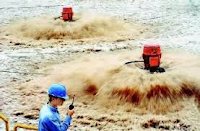
Aerators And Aerobic Digestion

CLICK HERE . . . to view . . . 

https://puricare.blogspot.com/2017/10/aerators-and-aerobic-digestion-aerobic.html

..........................................................................................................................................................................................................................................................................................

Essential Guide To Wastewater Treatment

CLICK HERE . . . to view . . . 

https://puricare.blogspot.com/2020/05/wastewater-our-essential-guide-to.html

..........................................................................................................................................................................................................................................................................................

Algae & Wastewater Treatment

CLICK HERE . . . to view . . . 

https://puricare.blogspot.com/2017/08/wastewater-treatment-putting-algae-to.html

..........................................................................................................................................................................................................................................................................................

Aerobic Wastewater Treatment Systems

CLICK HERE . . . to view . . . 

https://puricare.blogspot.com/2020/08/aerobic-wastewater-treatment-systems.html

Friday, October 6, 2017

AERATORS AND AEROBIC DIGESTION - Aerobic digestion is a sludge stabilization process designed to convert waste activated sludge solids to carbon dioxide, water, residual cell debris and other end products. The oxidation of cellular material is referred to as endogenous respiration and is typically the dominant reaction in aerobic digestion.

Aerators And Aerobic 
Digestion
Aerators Enhance Aerobic Digestion Process
By Larry Moore; Charles Van Zandt


The city of Eden, N.C., operates an extended aeration process designed for an average flow rate of 13.5 mgd with a mixed liquor suspended solids concentration that typically checks in about 6,000 mg/l.
This high biomass concentration is necessary to provide a well-settling sludge and good effluent quality.
Further, the plant influent is approximately 40% domestic wastewater and 60% industrial wastewater.
The industrial component is dominated by textile facilities.
The Eden Wastewater Treatment Plant (WWTP) generates about 20,000 lb per day of waste activated sludge solids, which are aerobically digested prior to storage in sludge lagoons and ultimate land application.
For many years, the facility has had difficulty maintaining adequate dissolved oxygen levels and adequate mixing in its aerobic digester.
However, this all changed when the plant installed four new floating brush rotor aerators in May 2004.
Aerators Enhance
Aerobic digestion is a sludge stabilization process designed to convert waste activated sludge solids to carbon dioxide, water, residual cell debris and other end products.
The oxidation of cellular material is referred to as endogenous respiration and is typically the dominant reaction in aerobic digestion.
The detention time in the digester is normally about 20 days to achieve satisfactory solids stabilization.
Additionally, the primary functions of an aerobic digester are to reduce odors, reduce biodegradable solids content, to prepare the sludge for ultimate disposal on land consistent with Federal 503 regulations.
Aerobic digestion stabilizes the sludge solids more rapidly than anaerobic digestion, even though a less complete breakdown of cells is typically achieved.
Oxygen can be supplied by mechanical aerators or by diffused aeration.
At the Eden WWTP, vertical surface aerators have been used for many years. Plant personnel have had serious concerns because of operating problems as well as poor process performance.
Prior to installation of the new floating brush rotor aerators, the plant had 145-hp of vertical aeration equipment in the aerobic digester.
The vertical aeration equipment consisted of three 40-hp units and one 25-hp unit.
In aerobic digestion, it is desirable to maintain at least 1.0 mg/l dissolved oxygen level to provide an efficient aerobic environment.
Typical dissolved oxygen concentrations were 0.0 mg/l, which led to odor problems and poor aerobic digester performance.
In addition, it is extremely important to provide adequate mixing to keep the waste solids in suspension.
Typically, one-third of the aerobic digester was never mixed, creating dead zones detrimental to aerobic digestion.
Moreover, it usually required two to three days of settling to facilitate efficient decanting of supernatant prior to wasting sludge to the sludge storage lagoons.
Consequently, the aerobic digestion process performed below expectations and created operating problems for the WWTP staff.
https://www.wateronline.com/doc/aerators-enhance-aerobic-digestion-process-0001
You might also like:
AERATION
Aeration is a unit process in which air and water are brought into intimate contact
CLICK HERE . . .
Biological Oxygen Demand and Chemical 
Oxygen Demand
CLICK HERE . . .
.
Thermal
Hydrolysis
CLICK HERE . . .
Ozonation in Water Treatment
CLICK HERE . . .
ADVANCED OXIDATION Waste Water Treatment 
System 
simulates nature’s way of processing waste water 
CLICK HERE . . .
http://puricare.blogspot.com/2016/06/advanced-oxidation-waste-water_19.html
.............
Image may contain: 1 person, smiling, standingNeed a septic tank for your home / office? 
Save time, space and labor cost with the
BESTANK FILTERING SEPTIC TANK 
It saves labor cost, space and time as compared to traditional concrete septic tanks. You will only need a 2M X 1.5M space and you can finish installing it in half a day.
The Filtering Septic Tank Advantage:
 - Environment-Friendly
 
- Guaranteed to Last
 3
 - Easy to Install
 4
 - Labor & Time-Saving
 5
 - Cheap & Affordable
Environment friendly, made with 100% recycled materials
Easy "dig & Shoot" Installation
Three stage design complies with industry standards (anaerobic digestive, filtering and anaerobic culturing
Durable and reusable
Installation:
1. Dig a hole 2m deep, 15m diameter.
2. Level the ground by spreading 10cm/4in of compacted sand at the bottom of the pit.
3. Lower Bestank Purifying Septic Tank, ensure that manhole cover is 7cm above natural grade line or at least level to suit the required elevation of the inlet / outlet pipes.
4. Connect the inlet pipe to the toilet's outlet.
5. Fill the space surrounding the tank with soil, sand and gravel.
6. Make sure that the tank is half-filled with water to prevent possible floating due to hydraulic pressure introduced by presence of groundwater. 
7. Finish with cement.
Specifications:👉 Capacity: 7 persons👉 Height: 1.485M👉 Diameter: 1.1.1M👉 Volume: 1.10 cbm👉 Weight: 80kg👉 Material: Recycled PE👉 Color: Black
-------------------------
Contact us at 
📱0949-838-8218
📱0933-875-4415
📱0905-752-4336📞 (033)5196057
Our store is located at
Vice President Fernando Lopez Avenue, Aganan, Pavia, Iloilo (in front of 7/11 Convenience Store)
-------------------------
We also install, sell and offer the following services:
- WATER TREATMENT SYSTEMS: Residential, Commercial, Industrial
- WASTE WATER TREATMENT SYSTEM
- WATER PUMPS, CONTROLLERS, SENSORS
- DEEP WELL DRILLING
- STORAGE TANKS: Stainless Steel, Polyethylene, Bestank, Firstank, Weida 
- PRESSURE TANKS - Bladder- Diaphragm 
- uPVC PIPES & FITTINGS: Blue, Sanitary, Electrical
- BI PIPES & FITTINGS: Megafusion, Belden, Lamco
- FIREFLY, ROYU, SASSIN LIGHTING & ELECTRICAL COMPONENTS
...........
Multi-Media Filter, Highly-Activated Carbon Filter,
Zeolite-Process Water Softener With Brine Tank,
Fiberglass Ballast-Type Pressure Tank
(fully automatic backwash & regeneration)
PURICARE 
INDUSTRIAL 
ENTERPRISES 
Water 
Treatment 
Systems.
.
...Aganan, Pavia, Iloilo, Philippines...

CLICK HERE . . . to view company profile . . .