Showing posts with label Activated sludge. Show all posts

Monday, January 11, 2021

ACTIVATED SLUDGE WASTEWATER TREATMENT - The activated sludge wastewater treatment process is widely used and relied on by many municipalities. This process utilizes a multi-chamber reactor unit that uses microorganisms as a method to remove nutrients from the water. Oxygen is used to establish and regulate aerobic conditions and to suspend the sludge. The activated sludge wastewater treatment provides many advantages, but it may not be appropriate in all situations. The activated sludge process is an integral process used to treat wastewater. Air or oxygen is blown into raw sewage. It is most effective for large volumes of water. Wastewater is mixed and aerated in a special tank. This step in the process occurs by pumping air or oxygen into the activated sludge tank or using surface aerators. The process oxidizes organic matters in the wastewater, producing new cells, carbon dioxide, and water. The sludge particles can then be removed through the process of gravity settling. Activated sludge sewage treatment is ideally completed in a centralized treatment facility. The treatment of activated sludge can occur in most climates. The activated sludge process in the treatment of wastewater involves blowing oxygen or air into raw, unsettled sewage. The sewage is bubbled, and sewage liquor is discharged into an activated sludge chamber. Live bacteria settle to the bottom of the tank and dead bacteria float to the top.

............................................................................................................................................................................................................................................................................................................................................................................................

Activated Sludge Wastewater Treatment

How Does Activated Sludge Wastewater Treatment Work?

Written by AOS Treatment Solutions


The activated sludge wastewater treatment process is widely used and relied on by many municipalities.

This process utilizes a multi-chamber reactor unit that uses microorganisms as a method to remove nutrients from the water.

Oxygen is used to establish and regulate aerobic conditions and to suspend the sludge.

The activated sludge wastewater treatment provides many advantages, but it may not be appropriate in all situations.

WHAT IS ACTIVATED SLUDGE WASTEWATER TREATMENT?

The activated sludge process is an integral process used to treat wastewater.

Air or oxygen is blown into raw sewage. It is most effective for large volumes of water.

Wastewater is mixed and aerated in a special tank. This step in the process occurs by pumping air or oxygen into the activated sludge tank or using surface aerators.

The process oxidizes organic matters in the wastewater, producing new cells, carbon dioxide, and water.

The sludge particles can then be removed through the process of gravity settling.

Activated sludge sewage treatment is ideally completed in a centralized treatment facility.

The treatment of activated sludge can occur in most climates. However, colder environments reduce the treatment capacity.

AOS professionals can discuss activated sludge treatment methods and other wastewater treatment services during a thorough consultation.

HOW DOES THE ACTIVATED SLUDGE PROCESS WORK?

The activated sludge process in the treatment of wastewater involves blowing oxygen or air into raw, unsettled sewage.

This process smashes the solids. The sewage is bubbled, and sewage liquor is discharged into an activated sludge chamber.

Live bacteria settle to the bottom of the tank and dead bacteria float to the top.

Clean water is discharged into a soakaway or watercourse while the live bacteria return to the digestion chamber.

It is important to understand what activated sludge is to comprehend how the complete activated sludge system works.

The sludge is considered activated because the particles are actively swarming with beneficial bacteria that digest the sewage.

ADVANTAGES OF THE ACTIVATED SLUDGE TREATMENT PROCESS

The activated sludge treatment process provides many significant advantages over other options.

Sewage treatment plants that primarily use the process for the treatment of activated sludge offer the following advantages:

o     The amount of undesired sludge is reduced.

o     The sewage treatment plants re-seed themselves with beneficial bacteria.

o     The activated sludge treatment process allows the emptying intervals to be longer.

o     The process is very reliable.

o     The process is more simple.

o     Costs are reduced.

o     The process can be odorless.

The activated sludge treatment process is one of the water treatment services that AOS has provided for decades. Our professionals can discuss if this method is appropriate, as well as other services that we provide.

DISADVANTAGES OF THE ACTIVATED SLUDGE TREATMENT PROCESS

The activated sludge treatment process does have some drawbacks and may not be appropriate for all applications.

Some disadvantages associated with activated sludge include:

o     There are initial high capital and operating costs that may deter some facilities from utilizing this method.

o     Experts are required to design and construct the activated sludge system.

o     Skilled personnel must operate and maintain the treatment of activated sludge.

o     Electricity must be continuously used, increasing wastewater treatment energy consumption.

o     Parts and materials may not be available on a local level.

o     Sludge and effluent might require further treatment or appropriate discharge.

The activated sludge treatment process can provide an effective method to treat wastewater.

Contact AOS today to discuss whether activated sludge is a process that is appropriate for you.

AOS TREATMENT SOLUTIONS

Since 1999, AOS Treatment Solutions has provided specialized treatment of water and wastewater to the industrial and municipal markets. Over the years, we have become a leading water/wastewater treatment company utilizing an analytical and scientific approach to developing optimum treatment programs. Through our meticulous testing methodology, we find cost effective solutions to meet the needs of all our customers.

At AOS, our goal is to provide clients with a single-point source for all their water and wastewater treatment needs. We use the latest testing equipment and analyzers to deliver practical solutions that enhance operational reliability.

https://aosts.com/how-does-activated-sludge-wastewater-treatment-work/


You might also like:


Activated Sludge Process

CLICK HERE . . . to view . . . 

https://puricare.blogspot.com/2020/11/activated-sludge-process-activated.html

..........................................................................................................................................................................................................................................................................................

ADVANCED OXIDATION Waste Water Treatment System 

simulates nature’s way of processing waste water .

CLICK HERE . . . to view . . . 

https://puricare.blogspot.com/2016/05/advanced-oxidation-waste-water.html

..........................................................................................................................................................................................................................................................................................

Wastewater Treatment

CLICK HERE . . . to view . . . 

https://puricare.blogspot.com/2020/06/wastewater-treatment-wastewater.html

..........................................................................................................................................................................................................................................................................................
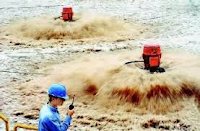
Aerators And Aerobic Digestion

CLICK HERE . . . to view . . . 

https://puricare.blogspot.com/2017/10/aerators-and-aerobic-digestion-aerobic.html

..........................................................................................................................................................................................................................................................................................

Essential Guide To Wastewater Treatment

CLICK HERE . . . to view . . . 

https://puricare.blogspot.com/2020/05/wastewater-our-essential-guide-to.html

..........................................................................................................................................................................................................................................................................................

Algae & Wastewater Treatment

CLICK HERE . . . to view . . . 

https://puricare.blogspot.com/2017/08/wastewater-treatment-putting-algae-to.html

..........................................................................................................................................................................................................................................................................................

Aerobic Wastewater Treatment Systems

CLICK HERE . . . to view . . . 

https://puricare.blogspot.com/2020/08/aerobic-wastewater-treatment-systems.html

Tuesday, December 22, 2020

BIOLOGICAL WASTEWATER TREATMENT WITH ACTIVATED-SLUDGE PROCESS – In a simplified flow diagram for biological processes used for wastewater treatment, the influent wastewater (e.g. municipal wastewater) goes through several stages in which different compound are removed out of the wastewater. In the Bar Rack coarse solids are removed, such as sticks, rags, and other debris in untreated wastewater by interception. By use of fine screening even floatable matter and algae are removed. In the Grit Chamber grit is removed consisting of sand, gravel, cinders, or other heavy solid materials that have subsiding velocities or specific gravities substantially greater than those of the organic putrescible solids in wastewater. The Primary Clarifier is a basin where water has a certain retention time where the heavy organic solids can sediment (suspended solids). Efficiently designed and operated primary sedimentation tanks should remove from 50 to 70 percent of the suspended solids and 25 to 40 percent of the BOD. The influent of the aeration tank is mixed with activated sludge and in the Aeration Tank the mixed liquor is aerated. By aerating the mixed liquor the aerobic processes will be stimulated, the growth rate of bacteria will be must faster. Because the bacteria deplete the substrate, flocculation takes place. The soluble substrate becomes a solid biomass. These flocks of biomass will sediment in the Secondary Clarifier. At the end of the process the effluent water is treated to Disinfect it and make it free of disease-causing organisms. Lenntech provides innovative and sustainable solutions for water treatment and liquid separation, focusing on industrial applications.

............................................................................................................................................................................................................................................................................................................................

Biological Wastewater Treatment with Activated-Sludge Process

Lenntech Water Treatment Solutions


The picture below shows a simplified flow diagram for biological processes used for wastewater treatment.


The influent wastewater (e.g. municipal wastewater) goes through several stages in which different compound are removed out of the wastewater.

For more information about the process, please click on one of the process stages.

Simplified flow diagram for a biological wastewater treatment with a activated-sludge process.

In the Bar Rack coarse solids are removed, such as sticks, rags, and other debris in untreated wastewater by interception.

By use of fine screening even floatable matter and algae are removed. (p. 314)

In the Grit Chamber grit is removed consisting of sand, gravel, cinders, or other heavy solid materials that have subsiding velocities or specific gravities substantially greater than those of the organic putrescible solids in wastewater. (p. 384)

The Primary Clarifier is a basin where water has a certain retention time where the heavy organic solids can sediment (suspended solids). (p.384)

Efficiently designed and operated primary sedimentation tanks should remove from 50 to 70 percent of the suspended solids and 25 to 40 percent of the BOD. (p.396)

The influent of the aeration tank is mixed with activated sludge and in the Aeration Tank the mixed liquor is aerated.

By aerating the mixed liquor the aerobic processes will be stimulated, the growth rate of bacteria will be must faster.

Because the bacteria deplete the substrate, flocculation takes place.

The soluble substrate becomes a solid biomass. These flocks of biomass will sediment in the Secondary Clarifier.

At the end of the process the effluent water is treated to Disinfect it and make it free of disease-causing organisms.

Lenntech Water Treatment Solutions, established in 1993, is a design and manufacturing company situated in The Netherlands, near the Technical University of Delft.
Lenntech provides innovative and sustainable solutions for water treatment and liquid separation, focusing on industrial applications. With an experienced team of sales, environmental, chemical, mechanical and electrical engineers we are specialized in providing turnkey and customized water purification and membrane separation systems for numerous different industries and applications.
Our wide range of technologies and extended know-how in all water-related sectors will guarantee you a cost-efficient solution that will meet your water quality requirements. Each water and liquid stream are unique, and we prioritize research and development to keep our solutions and products in the front line.
https://www.lenntech.com/wwtp/wwtp-overview.htm


You might also like:


Activated Sludge Process

IWA Publishing 

CLICK HERE . . . to view . . . 

https://puricare.blogspot.com/2020/11/activated-sludge-process-activated.html

...........................................................................................................................................................................................................................................................................................

Aerobic Wastewater Treatment and How They Work

CLICK HERE . . . to view . . . 

https://puricare.blogspot.com/2020/08/aerobic-wastewater-treatment-systems.html

...........................................................................................................................................................................................................................................................................................

Wastewater Treatment

CLICK HERE . . . to view . . . 

https://puricare.blogspot.com/2020/06/wastewater-treatment-wastewater.html

...........................................................................................................................................................................................................................................................................................

How Modern Wastewater Treatment Changed our World

CLICK HERE . . . to view . . . 

https://puricare.blogspot.com/2020/08/how-modern-wastewater-treatment-changed.html

...........................................................................................................................................................................................................................................................................................

Anti-Gravity Water Transport in Trees

CLICK HERE . . . to view . . . 

https://puricarechronicles.blogspot.com/2020/06/anti-gravity-water-transport-in-trees.html

...........................................................................................................................................................................................................................................................................................

An Ocean of Viruses

CLICK HERE . . . to view . . . 

https://puricarechronicles.blogspot.com/2020/05/an-ocean-of-viruses-virus-is-very-tiny.html


Saturday, August 1, 2020

AEROBIC WASTEWATER TREATMENT SYSTEMS AND HOW THEY WORK - Biological wastewater treatment systems can be efficient and economical technologies for breaking down and removing organic contaminants from heavily organic-laden wastes, such as those produced in the food and beverage, chemical manufacturing, oil and gas, and municipal industries. Aerobic wastewater treatment systems use oxygen-feeding bacteria, protozoa, and other specialty microbes to clean water. These systems optimize the naturally occurring process of microbial decomposition to break down industrial wastewater contaminants so they can be removed. The organic contaminants these microorganisms decompose are often measured in biological oxygen demand, or BOD, which refers to the amount of dissolved oxygen needed by aerobic organisms to break down organic matter into smaller molecules. High levels of BOD indicate an elevated concentration of biodegradable material present in the wastewater and can be caused by the introduction of pollutants such as industrial discharges, domestic fecal wastes, or fertilizer runoff. Because these organisms require oxygen, aerobic systems require some means of supplying oxygen to the biomass by adding wastewater treatment ponds (which work by creating a large surface area for introducing air to the wastewater) and/or by incorporating some type of mechanical aeration device to introduce oxygen into the biomass.

Aerobic Wastewater Treatment Systems
...............................................................................................................................................
What Are Aerobic Wastewater Treatment Systems and How Do They Work?
SAMCO


Typically used as a secondary wastewater treatment method after the initial larger contaminants have been settled and/or filtered out, biological wastewater treatment systems can be efficient and economical technologies for breaking down and removing organic contaminants from heavily organic-laden wastes, such as those produced in the food and beverage, chemical manufacturing, oil and gas, and municipal industries.
Anaerobic and aerobic systems are two of the main types of biological wastewater treatment, but this article will focus on “what aerobic wastewater treatment systems are and how they work.”
What is aerobic wastewater treatment?
Aerobic wastewater treatment systems use oxygen-feeding bacteria, protozoa, and other specialty microbes to clean water (as opposed to anaerobic systems that do not need oxygen).
These systems optimize the naturally occurring process of microbial decomposition to break down industrial wastewater contaminants so they can be removed.
The organic contaminants these microorganisms decompose are often measured in biological oxygen demand, or BOD, which refers to the amount of dissolved oxygen needed by aerobic organisms to break down organic matter into smaller molecules.
High levels of BOD indicate an elevated concentration of biodegradable material present in the wastewater and can be caused by the introduction of pollutants such as industrial discharges, domestic fecal wastes, or fertilizer runoff.
How do aerobic wastewater treatment systems work?
Because these organisms require oxygen, aerobic systems require some means of supplying oxygen to the biomass by adding wastewater treatment ponds (which work by creating a large surface area for introducing air to the wastewater) and/or by incorporating some type of mechanical aeration device to introduce oxygen into the biomass.  
Depending on the chemical makeup of the wastewater in relation to the effluent requirements, a biological wastewater treatment system might be composed of several different processes and numerous types of microorganisms.
They will also require specific operational procedures that will vary depending on the environment needed to keep biomass growth rates optimal for the specific microbial populations.
For example, it is often required to monitor and adjust aeration to maintain a consistent dissolved oxygen level to keep the system’s bacteria multiplying at the appropriate rate to meet discharge requirements.
In addition to dissolved oxygen, biological systems often need to be balanced for flow, load, pH, temperature, and nutrients.
Balancing a combination of system factors is where the biological treatment process can become very complex.
Below are examples of some common types of aerobic biological wastewater treatment systems, including a brief description of how they function within an industrial wastewater treatment regimen to give you an idea of the types of technologies and systems that might benefit your industrial facility.
Activated sludge
Used widely used in municipal applications, activated sludge processes occur when wastewaters from the primary treatment phase enter an aeration tank.
After aeration in the presence of suspended (freely floating) aerobic microorganisms, the organic material is broken down and consumed, forming biological solids which flocculate into larger clumps, or flocs.
The suspended flocs enter a settling tank and are removed from the wastewater by sedimentation. Recycling settled solids to the aeration tank controls levels of suspended solids, while excess solids are wasted as sludge.
Activated sludge treatment systems typically have larger space requirements and generate large amounts of sludge, with associated disposal costs, but capital and maintenance costs are relatively low, compared to other options.
Fixed-bed bioreactors, or FBBRs
These systems consist of multiple-chambered tanks in which the chambers are packed tight with porous ceramic, porous foam, and/or plastic media.
Wastewater then passes through the immobilized bed of media. The media is engineered to have a high enough surface area to encourage a robust biofilm formation with long solids lifespan, resulting in low sludge formation and lowest sludge disposal costs.
A well-engineered fixed-bed bioreactor will allow wastewater to flow through the system without channeling or plugging.
Chambers can be aerobic and still have anoxic zones to achieve aerobic carbonaceous removal and full anoxic denitrification at the same time.
More advanced biological processes can be facilitated with these systems (for example, nitrification, denitrification, desalination, sulfide-reduction, and anammox), by having unique bacterial populations colonize the biofilm media in separate tank chambers, which can be uniquely configured to treat your facility’s specific wastewater constituents.
Moving bed bioreactors, or MBBRs
MBBRs typically consist of aeration tanks filled with small moving polyethylene biofilm carriers held within the vessel by media retention sieves.
Today the plastic biofilm carriers come from many vendors in many sizes and shapes, are typically half- to one-inch diameter cylinders or cubes and are designed to be suspended with their immobilized biofilm throughout the bioreactor by aeration or mechanical mixing.
Because of the suspended moving bio-film carriers, MBBRs allow high BOD wastewaters to be treated in a smaller area with no plugging.
MBBRs are typically followed by a secondary clarifier, but no sludge is recycled to the process; excess sludge settles, and a slurry removed by vacuum truck, or settled solids are filter pressed and disposed as a solid waste.
Membrane bioreactors, or MBRs
MBRs are advanced biological wastewater treatment technologies that combine conventional suspended growth activated sludge with membrane filtration, rather than sedimentation, to separate and recycle the suspended solids.
As a result, MBRs operate with much higher mixed liquor suspended solids (MLSS) and longer solids residence times (SRTs), producing a significantly smaller footprint with a much higher quality effluent compared to conventional activated sludge.
MBRs primarily target BOD and total suspended solids (TSS).
MBR system design varies depending on the nature of the wastewater and the treatment goals, but a typical MBR might consist of aerobic (or anaerobic) treatment tanks, an aeration system, mixers, a membrane tank, a clean-in-place system, and either a hollow fiber or flat sheet ultrafiltration membrane.
As a result of its many parts and cleaning processes, MBRs are known for high capital, high operating, and high maintenance costs.
Biological trickling filters 
These filters work by passing air or water through a media designed to collect a biofilm on its surfaces.
The biofilm may be composed of both aerobic and anaerobic bacteria which breakdown organic contaminants in water or air. Some of the media used for these systems include gravel, sand, foam, and ceramic materials.
The most popular application of this technology is municipal wastewater treatment and air remediation to remove H2S at municipal sewer plants, but they can be used in many situations where odor control is important.
How SAMCO can help?
SAMCO has over 40 years’ experience custom-designing and manufacturing biological wastewater treatment systems for a range of industries and applications, so please feel free to reach out to us with your questions. Contact us here to set up a consultation with an engineer or request a quote. We can walk you through the steps for developing the proper solution and realistic cost for your specific water treatment system needs.
To learn more about the services and technologies that SAMCO offers, visit our page on wastewater treatment solutions here.

At SAMCO, we anticipate the needs of industry, and respond with forward-thinking solutions. Our focus on industrial applications began in 1987 with the founding of Northeast equipment supplier and systems servicer CS Kimeric. Acquired from a Western New York soft water provider with over 30 years in the business, CS Kimeric was established to provide specialized service for industrial applications. Over the course of the next decade, it became clear that industrial clients would benefit from working with a partner capable of delivering comprehensive, concept-to-completion solutions. In 1998, founder and CEO Richard Posa established SAMCO as an integrated provider of design, fabrication, startup, and maintenance services. 
Today, SAMCO serves the process water needs of clients across the nation and globe from its headquarters in Buffalo, New York. Leveraging the collective skills of experienced chemical, civil, environmental, electrical, mechanical and process engineers, chemists, and skilled tradesmen, SAMCO blends a culture of teamwork, commitment and passion to help solve your unique industrial water treatment needs.
Aerobic Wastewater Treatment Systems