Showing posts with label Jet engines. Show all posts

Sunday, February 14, 2021

WHY DO PLANES LEAVE WHITE TRAILS IN THE SKY? - With so many commercial jets flying routes all over the world, there probably isn’t a person on Earth who hasn’t noticed the white smoke coming from airliners. When flying at high altitudes, jet engines exhaust extremely hot air and water vapor, among other things. The cold temperatures and low pressures at these altitudes result in the water forming into visible ice crystals. The results are white clouds known as contrails, which is short for condensation trails. There are three components necessary for clouds to form in the atmosphere. There must be moisture present in the form of water vapor. The atmosphere must cool enough for that water vapor to condense into visible moisture (either as water droplets or ice crystals). There must be some form of condensation nuclei. The nuclei can be any bit of particulate in the atmosphere, like dust or pollution, that water molecules can hold onto. Most clouds you see are the result of moist warm air rising. As it gets higher, the air cools down to the temperature of the surrounding air. When it reaches the dew point, a visible cloud forms. Condensation trails behind aircraft are simply clouds. All three components are created, and when conditions are just right, these contrails will appear behind every plane in that part of the sky. Jet engines produce an incredible amount of heat, along with water vapor and other combustion exhaust particles like carbon dioxide.

An airliner leaves contrails as it passes the Moon
....................................................................................................................................................................................................................................................................................................................................................................

Why do Planes Leave White Trails in the Sky?

BY MATT CLAIBORNE


With so many commercial jets flying routes all over the world, there probably isn’t a person on Earth who hasn’t noticed the white smoke coming from airliners.

But why do these streaks only occur behind some planes?

Are they dumping fuel?

Is it hazardous?

What exactly are these vapor trails?

Why Planes Leave Trails

When flying at high altitudes, jet engines exhaust extremely hot air and water vapor, among other things.

The cold temperatures and low pressures at these altitudes result in the water forming into visible ice crystals.

The results are white clouds known as contrails, which is short for condensation trails.

The Science Behind Contrails

There are three components necessary for clouds to form in the atmosphere.

There must be moisture present in the form of water vapor.

The atmosphere must cool enough for that water vapor to condense into visible moisture (either as water droplets or ice crystals).

There must be some form of condensation nuclei. The nuclei can be any bit of particulate in the atmosphere, like dust or pollution, that water molecules can hold onto.

Most clouds you see are the result of moist warm air rising.

As it gets higher, the air cools down to the temperature of the surrounding air. When it reaches the dew point, a visible cloud forms.

Condensation trails behind aircraft are simply clouds. All three components are created, and when conditions are just right, these contrails will appear behind every plane in that part of the sky.

Jet engines produce an incredible amount of heat, along with water vapor and other combustion exhaust particles like carbon dioxide. This exhaust is shot out the back of the jet engine into the surrounding cold air.

The atmosphere at high altitudes is frigid. Most airliners fly between 30,000 and 38,000 feet above sea level, where the temperatures range between -45 and -61 degrees Celsius.

At these temperatures, the water vapor will condense into water droplets, which will become ice crystals quickly.

Like the upper-level cirrus clouds at these altitudes, the ice crystals will blow and scatter with the wind conditions. If the upper-level winds are calm, the contrails may remain intact for a long time.

While it is true that the contrails contain pollutants, just as all combustion engines leave pollutants when operating, the contrails are not made of smoke, visible pollution, or chemicals.

They are clouds just like natural cirrus clouds, made of ice crystals suspended in the atmosphere.

Why Don’t All Planes Leave White Smoke?

A specific set of atmospheric circumstances have to line up to create an exhaust contrail.

It’s seldom cold enough at lower altitudes for this to happen, so the primary place they occur happens to be at the cruising altitude of jets.

You aren’t likely to see contrails behind propeller-driven aircraft or low-flying planes. It’s also why the presence of contrails varies from day to day, depending on the weather conditions present in the upper atmosphere.

Classifications of Exhaust Contrails

NASA’s Langley Research Center has studied contrails and their effects for decades. They divide contrails up based on how persistent they are in the atmosphere.

Contrails are ranked as short-lived, persistent, and persistent-spreading.

Aerodynamic Contrails

The process described above is known as an exhaust contrail since it is formed behind the engines. But the wings and control surfaces can cause a similar phenomenon, known as aerodynamic contrails.

Persistent spreading contrails

Aerodynamic contrails are more likely to be visible near the surface in areas with a lot of moisture already in the atmosphere.

When riding in a plane and looking out the window, you may see clouds form on top of the wing or in the vortices trailing behind it. They tend to happen quickly as the plane travels between different levels in the atmosphere.

As the air over the top of the wing accelerates, it also cools. If there’s enough water vapor in the atmosphere and the temperatures are close to the dew point, this cooling is enough to create a cloud.

These clouds take several forms, depending on how the aircraft is configured.

F/A-18 Hornet in flight with aerodynamic contrails
over the wings and in the wingtip vortices.


In some cases, a smooth cloud forms perfectly over the wings of the plane. In other cases, the accelerated air flowing behind the air in the wingtip vortices creates a cloud. 

Since the cloud shows the area of lower pressure over the wing, it changes as the pilot controls the lift made by that wing.

As the pilot changes the wing’s angle of attack, the aerodynamic contrails may grow larger or dissipate.

These contrails are especially neat to see since they visually show where the lift is being generated and where the wake turbulence lies. It’s a physical and visual manifestation of something you usually only learn about theoretically.

Any aircraft can leave aerodynamic contrails. They can form at any altitude as long as the atmospheric conditions are just right. They’re even often seen on the nose cones of rockets on liftoff!

Conspiracy Theories

Aviation, by its very nature, is a technical subject that involves a lot of science and technical jargon. Sometimes, when the non-flying public is unaware of the science behind it, conspiracy theories can pop up.

Why Do Planes Dump Fuel?

Some people believe that the white trails behind aircraft are fuel because they’ve heard of pilots “dumping fuel” in the movies.

Some aircraft are indeed equipped to be able to dump their jet fuel overboard. This is an emergency procedure designed to reduce the landing weight of an airplane.

Transport aircraft are often designed to take off at much higher weights than they can land. Since under normal conditions, the plane will burn thousands of pounds of fuel between its departure and destination, the plane will be well within limits before landing.

But what about in the case of an emergency, can the plane land safely if something goes wrong right after takeoff?

In some cases, the answer is no. The fuel needs to be burned off by remaining in the air or dumped overboard to enable the plane to land immediately.

Dumping of fuel is extremely rare and carefully controlled. It would only happen over unpopulated areas, and remaining aloft until a safe landing can be accomplished is always the preferable solution.

The vapor trails left by a plane at altitude have nothing to do with dumping fuel.

 “Chemtrails”

Another popular conspiracy theory is that aircraft are being used by the world’s governments to disperse chemicals into the atmosphere.

This theory has resulted in the term “chemtrails,” which is becoming more and more common.

Some believe they are related to a secret government atmospheric control program involving cloud seeding and weather manipulation.

Effects of Contrails on Climate

One area of valid research and study has been done on whether or not the presence of contrails in the atmosphere affects the climate.

Several hypotheses have been floated that the contrails, by increasing the amount and coverage of upper-level clouds, reduce sunlight penetration to the surface.

Theoretically, this could reduce surface temperatures. But they also trap in heat, so research needed to be done to find out whether the clouds have a net warming or cooling effect.

NASA has studied the effects carefully, and the results show a minor net warming effect.

Observationally, they’ve shown that warming is more pronounced in areas with the most flight activity, like over the North Atlantic flight corridor between America and Europe.

Matt Claiborne

Airline Transport Pilot. Certified Flight Instructor-Airplane, Single and Multiengine Instrument

https://www.aircraftcompare.com/blog/why-planes-leave-white-trails/


You might also like:


Contrails

The Controversial Cloud

CLICK HERE . . . to view . . . 

https://puricare.blogspot.com/2019/12/contrails-controversial-cloud-word.html

...........................................................................................................................................................................................................................................................................................

Chemtrails Versus Contrails

CLICK HERE . . . to view . . . 

https://puricare.blogspot.com/2019/11/chemtrails-versus-contrails-contrails.html

...........................................................................................................................................................................................................................................................................................

White Contrails Of Airplanes

CLICK HERE . . . to view . . . 

https://puricare.blogspot.com/2019/10/white-contrails-of-airplanes.html

...........................................................................................................................................................................................................................................................................................

Why planes dump fuel

CLICK HERE . . . to view . . . 

https://puricare.blogspot.com/2020/08/why-planes-dump-fuel-pilot-will-choose.html

...........................................................................................................................................................................................................................................................................................

Chemtrails And Cnspiracy Theories

CLICK HERE . . . to view . . . 

https://puricarechronicles.blogspot.com/2017/12/chemtrails-and-conspiracy-theories-jet.html

...........................................................................................................................................................................................................................................................................................

Butterfly Wings

CLICK HERE . . . to view . . . 

https://puricarechronicles.blogspot.com/2020/10/butterfly-wings-inspiration-for.html

...........................................................................................................................................................................................................................................................................................

Going Nowhere… Successfully

CLICK HERE . . . to view . . . 

https://puricarechronicles.blogspot.com/2020/01/going-nowhere-successfully-waiting-on.html

...........................................................................................................................................................................................................................................................................................

A Lesson From the “Miracle on the Hudson”

CLICK HERE . . . to view . . . 

https://puricarechronicles.blogspot.com/2019/12/a-lesson-from-miracle-on-hudson-that.html


Tuesday, July 23, 2019

ADVANTAGES OF AIRCRAFTS FLYING AT HIGH ALTITUDE - When aircrafts fly at very high altitude they require less fuel to operate than that at lower altitude. As the aircraft reaches higher altitude the air friction on the aircraft decreases hence, enhancing the overall fuel economy of the aircraft. Aircrafts also fly high as a safety precaution as the chances of hitting an obstacle are minimal. The aircraft frame is actually very sensitive to hits at high speeds that even a bird hitting an aircraft can be disastrous. Flying high also takes care of running into extreme weather situations. Most aircrafts are sophisticated pieces of equipment and they have the fail-safe mechanism for most of the issues that can crop up in flight, provided the pilot has time in his hand to rectify the situation.


......................................................................................................................................
airplane, fly, highAdvantages Of Aircrafts Flying At High Altitude
Why Do Airplanes Need To Fly So High?
Avinash Shrivastava


Now, this is a question that comes to everyone’s mind.
Sane scientific mind at least, that why does an airplane fly at such high altitude. I mean having an obstacle-free path is good enough.
An airplane can fly at that altitude, can’t they? Well, the answer is yes, but then there would be some unviable issues with it which we will be discussing in the current article.
In order to reach high altitude, the airplane has to use a lot of engine power. We know that an airplane engine is a power machine and consumes lots of fuel for its operations.
The aircraft has to maintain a minimum forward velocity while climbing, this also makes it enter into a thinner atmosphere.
Additional engine resources are required for pressurizing the cabin so that passengers can have a safe and healthy flight.
Air Density plays a pivotal role in the complete aircraft operation.
When aircrafts fly at very high altitude they require less fuel to operate than that at lower altitudes.
Now here we have to take this into consideration that most of the commercial jetliners are running on jet engines.
Jet engines in order to operate require a mix of the fuel-air mixture known as stoichiometric ratio.
What this means broadly is that the ratio of fuel to air molecules have to be precise in order to reach maximum operational efficiency.
As the altitude increases the air becomes thin.
Or in other words, the density of air would decrease resulting in a lower number of air molecules entering into the system.
As a consequence, the number of fuel molecules entering the engine will also have to be lowered to match the number of air molecules.
Ultimately this results in a lower amount of fuel be burned to be operationally effective.
Hence it can be concluded that at higher altitude the aircraft becomes more fuel efficient hence more economical too.
Now, this is one reason, secondly, as the aircraft reaches the higher altitude the air friction on the aircraft also decreases hence enhancing the overall fuel economy of the aircraft.
Aircrafts apart from the above-mentioned reason, also fly high in the sky as a safety precaution.
You see when you fly too high then the chances of hitting an obstacle are minimal.
The aircraft frame is actually very sensitive to hits at high speeds that even a bird hitting an aircraft can be disastrous. Hence, flying high reduces such risks.
Also, at high altitude, the exposure to the weather-related phenomenon is pretty less.
Imagine a thunderstorm brewing up. No aircraft pilot would want to risk his plane getting stuck in such a weather.
It is hazardous for the airplane, hence flying high also takes care of running into extreme weather situations.
The element of safety is also applicable to flying at high altitudes.
Most of the modern aircrafts are sophisticated pieces of equipment and they have the fail-safe mechanism for most of the issues that can crop up in flight, provided the pilot has time in his hand to rectify the situation.
He can only have ample time in his hand when he is flying at high altitude and there is a window period between taking corrective measure and hitting the ground.

Friday, July 12, 2019

BIRD STRIKES ON AIRCRAFTS - Bird strikes usually occur when an airplane is flying at low altitudes. Therefore, the most favorable conditions for a bird strike are during take-offs or landings (or other related phases) of airplanes. The reason for this is obvious; most birds fly at low altitudes, to there is a greater risk of hitting an airborne machine. Birds usually collide with any of the forward-facing edges of an airplane, which include the wings, nose cone, and the most common site – the jet engine. The most dangerous conditions arise when a bird hits the turbine and gets caught in the engine; this event is referred to as a jet engine ingestion (since the bird is ‘ingested’ by the engine). After being ‘stuck’ in the engine, the bird can cause a disruption in the rotatory motion of the fan blades, resulting in a partial or complete failure of that engine.

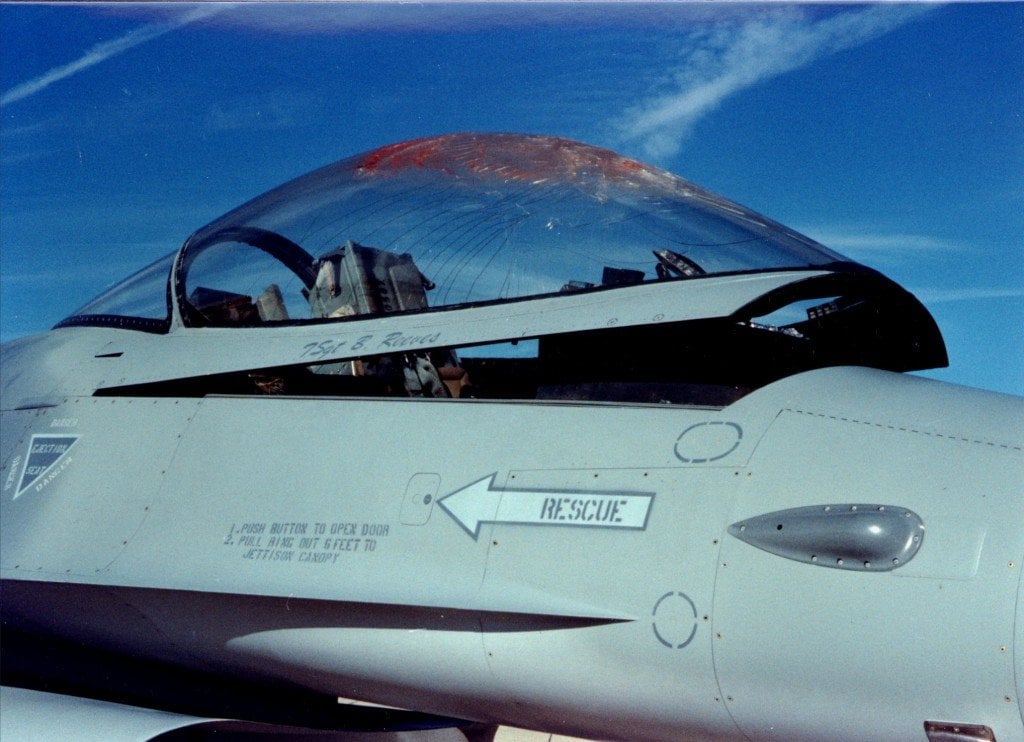
cracked canopy of a F-16 after a bird strike
............................................................................................................................................
Bird Strikes On Aircrafts
What Really Happens When A Bird Hits An Airplane?
Ashish


Bird strikes can sometimes result in loss of thrust in the engine(s) or the cracking of the surface of the canopy or windshield.
These cracks can sometimes disrupt the air pressure inside the cabin and result in altitude loss or other flight-related problems.
Human beings are constantly threatened by a number of potential hazards; and the more we invent, the more we become vulnerable to the failures of our inventions.
Presently, the number of threats that concern us are so great in number that it is foolish to even try to make a complete list.
Let’s narrow this down a bit more and talk about the threats of flying through the air in a giant metal-and-fiber container or, in other words, an airplane.
The threat: bird strikes!
What’s a Bird Strike?
The event of an airborne animal (usually a bird or a bat) hitting an airplane in flight is referred to as a bird strike.
It is known by a few other names as well, like a bird hit, bird ingestion or BASH (for Bird Aircraft Strike Hazard).
Bird strikes also happen to other man-made objects on land, such as cars, power lines and wind turbines, which usually result in death for the birds.
The first ever case of a bird strike was reported by Orville Wright (one of the Wright brothers who are credited with inventing and flying the world’s first successful airplane) in 1905- that’s 114 years ago (from the current year – 2019)!
But interestingly, the strike wasn’t totally accidental.
Orville was flying circles near a cornfield in Ohio; he had apparently been chasing flocks of birds before he hit one. The dead bird lay on the wing of his airplane until he made a sharp turn to dump it off.
Although bird strikes pose a sizable threat to flight safety, the number of major accidents caused due to bird strikes are quite low.
The majority of bird strikes do little damage to the affected airplane, but these collisions are almost always fatal to the birds involved in the accident.
The Most Vulnerable Phase of Flight
Although it’s true that there is no way you can be completely sure of avoiding a bird strike (unless you are flying in a world where there are no aerial animals, which currently is unknown).
Bird strikes usually occur when an airplane is flying at low altitudes.
Therefore, the most favorable conditions for a bird strike are during take-offs or landings (or other related phases) of airplanes.
The reason for this is obvious; most birds fly at low altitudes, to there is a greater risk of hitting an airborne machine.
However, this doesn’t mean that there are no birds flying higher than “normal” altitudes; in fact, bird strikes have also been reported at higher altitudes of around 6000 meters (20,000 feet) to 9000 m (30,000 feet).
The world record for a bird strike at the highest altitude ever is a staggering 11,300 meters (that’s 11.3 kilometers) above the ground!
What Happens During a Bird Strike?
Birds usually collide with any of the forward-facing edges of an airplane, which include the wings, nose cone, and the most common site – the jet engine.
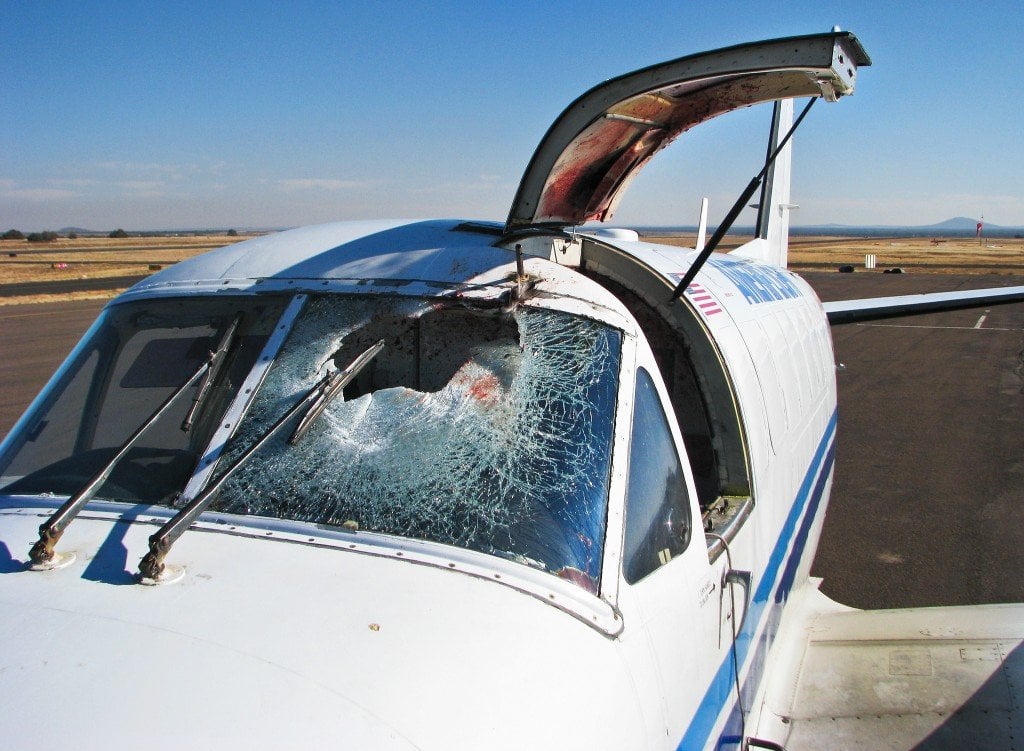
There have been cases of birds hitting the windshield or canopy of airbuses and fighter jets, which can (sometimes) result in the cracking of the surface of the canopy or windshield.
These cracks can sometimes disrupt the air pressure inside the cabin and result in altitude loss or other flight-related problems.
The severity of the damage done by the bird strike depends on a few factors, including speed difference, direction of impact, and the weight and size of the bird.
To put it in perspective, consider a 5-kilogram bird hitting an airplane at a relative velocity of 275 km/h.
Can you figure out how much of an impact this translates into?
That impact is equivalent to the energy of a 100-kg bag being dropped from a height of 15 meters!
Imagine what it would feel like to be hit by a sac weighing 100 kg from that height. Go on, take a few seconds and imagine it for yourself. Not too pleasant!
The most dangerous conditions arise when a bird hits the turbine and gets caught in the engine; this event is referred to as a jet engine ingestion (since the bird is ‘ingested’ by the engine).
After being ‘stuck’ in the engine, the bird can cause a disruption in the rotatory motion of the fan blades, resulting in a partial or complete failure of that engine.
Now, what can a sudden failure of one of the engines do to an airplane, you may ask? Let’s not even talk about it.
Flocks of birds are even more dangerous, as they can have a much nastier impact collectively.
The Miracle on the Hudson
There have been many cases of bird strike incidents, but the one that got a lot of attention was the case of US Airways Flight 1549.
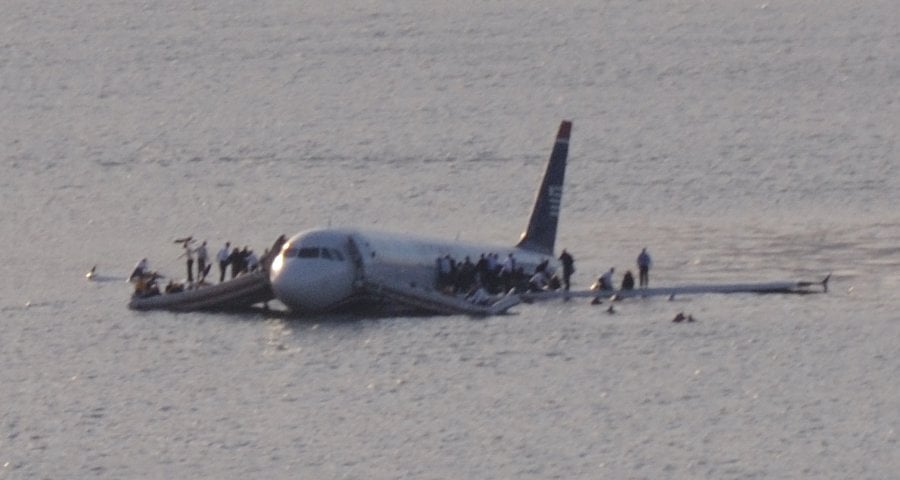
Back on January 15, 2009, an airplane (Airbus 320) made a miraculous unpowered landing in the Hudson River after being hit by a flock of birds shortly after taking off from LaGuardia Airport in New York City.
Quite incredibly, not a single casualty was reported. There is no surprise why this event is known as the “Miracle on the Hudson”.
Although no lives were lost, this event did underline the catastrophic failure that bird strikes can actually cause to an airborne machine, even one as huge as an Airbus!

Ashish is a Science graduate (Bachelor of Science) from Punjabi University (India). He spends a lot of time watching movies, and an awful lot more time discussing them. He likes Harry Potter and the Avengers, and obsesses over how thoroughly Science dictates every aspect of life… in this universe, at least.
The downed Airbus 1549

Damaged windshield due to a bird strike

The downed Airbus 1549

cracked canopy of a F-16 after a bird strike
The cracked canopy of a F-16 after a bird strike 

Thursday, October 25, 2018

THRUST REVERSERS - Jet engines on early jet airliners channel their thrust in the opposite direction for high-speed braking action with “thrust reversers” that redirect exhaust gasses forward using clamshell doors. Today’s powerful and efficient turbofan engines use an aft-sliding ring on the back of the fan section to reverse thrust, with internal doors redirecting fan airflow forward. The ultra-high-bypass turbofan engines used on the Airbus A380 have reversers on the inboard nacelles.


...........................
Thrust Reversers
HOW DO THRUST REVERSERS WORK?
By Airline Ratings 


Although reversing propeller pitch was effective for stopping piston-powered airliners, new methods were needed to bring faster and heavier jet airliners to a safe stop on landing.
Wheel brakes reduce speed from 60 knots down to taxi, but more braking action was needed to slow the airplane from its 120-knot touchdown speed.
While military jets use drag-inducing parachutes deployed on landing, these have to be jettisoned, retrieved, and repacked after every use which would be impractical at a commercial airport.
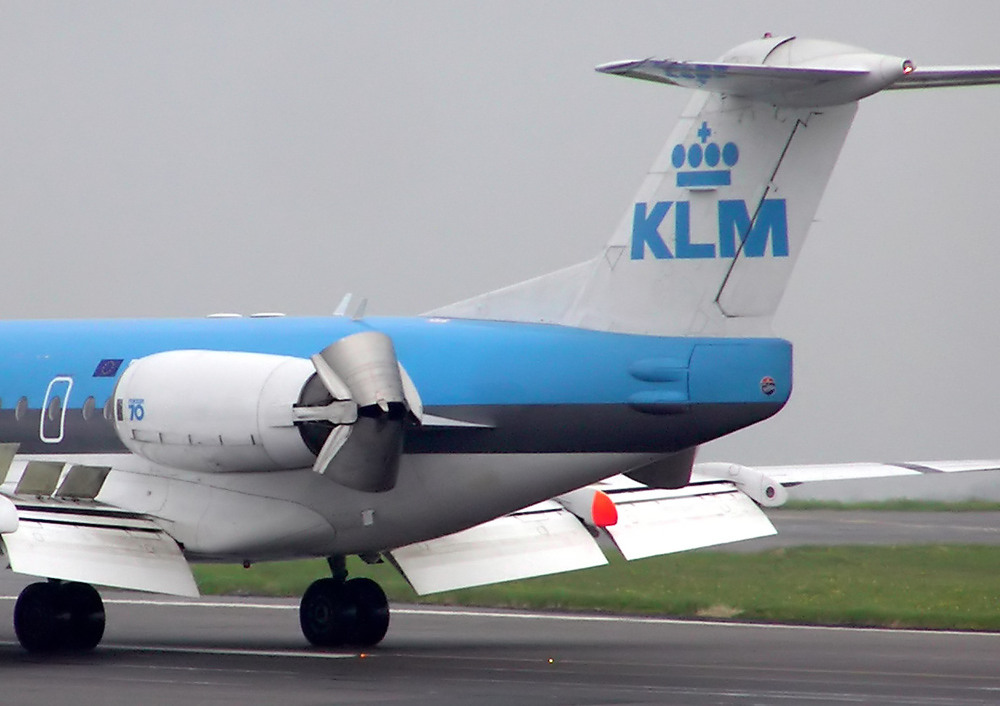
Jet engines on early jet airliners could channel their thrust in the opposite direction for high-speed braking action with “thrust reversers” that redirected exhaust gasses forward using clamshell doors to block engine exhaust.
Today’s powerful and efficient turbofan engines use an aft-sliding ring on the back of the fan section to reverse thrust, with internal doors redirecting fan airflow forward.
The ultra-high-bypass turbofan engines used on the Airbus A380 have reversers on the inboard nacelles only to avoid causing severe adverse yaw on wet or icy runways.