Showing posts with label Oxygen. Show all posts

Monday, January 11, 2021

ACTIVATED SLUDGE WASTEWATER TREATMENT - The activated sludge wastewater treatment process is widely used and relied on by many municipalities. This process utilizes a multi-chamber reactor unit that uses microorganisms as a method to remove nutrients from the water. Oxygen is used to establish and regulate aerobic conditions and to suspend the sludge. The activated sludge wastewater treatment provides many advantages, but it may not be appropriate in all situations. The activated sludge process is an integral process used to treat wastewater. Air or oxygen is blown into raw sewage. It is most effective for large volumes of water. Wastewater is mixed and aerated in a special tank. This step in the process occurs by pumping air or oxygen into the activated sludge tank or using surface aerators. The process oxidizes organic matters in the wastewater, producing new cells, carbon dioxide, and water. The sludge particles can then be removed through the process of gravity settling. Activated sludge sewage treatment is ideally completed in a centralized treatment facility. The treatment of activated sludge can occur in most climates. The activated sludge process in the treatment of wastewater involves blowing oxygen or air into raw, unsettled sewage. The sewage is bubbled, and sewage liquor is discharged into an activated sludge chamber. Live bacteria settle to the bottom of the tank and dead bacteria float to the top.

............................................................................................................................................................................................................................................................................................................................................................................................

Activated Sludge Wastewater Treatment

How Does Activated Sludge Wastewater Treatment Work?

Written by AOS Treatment Solutions


The activated sludge wastewater treatment process is widely used and relied on by many municipalities.

This process utilizes a multi-chamber reactor unit that uses microorganisms as a method to remove nutrients from the water.

Oxygen is used to establish and regulate aerobic conditions and to suspend the sludge.

The activated sludge wastewater treatment provides many advantages, but it may not be appropriate in all situations.

WHAT IS ACTIVATED SLUDGE WASTEWATER TREATMENT?

The activated sludge process is an integral process used to treat wastewater.

Air or oxygen is blown into raw sewage. It is most effective for large volumes of water.

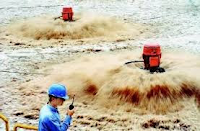
Wastewater is mixed and aerated in a special tank. This step in the process occurs by pumping air or oxygen into the activated sludge tank or using surface aerators.

The process oxidizes organic matters in the wastewater, producing new cells, carbon dioxide, and water.

The sludge particles can then be removed through the process of gravity settling.

Activated sludge sewage treatment is ideally completed in a centralized treatment facility.

The treatment of activated sludge can occur in most climates. However, colder environments reduce the treatment capacity.

AOS professionals can discuss activated sludge treatment methods and other wastewater treatment services during a thorough consultation.

HOW DOES THE ACTIVATED SLUDGE PROCESS WORK?

The activated sludge process in the treatment of wastewater involves blowing oxygen or air into raw, unsettled sewage.

This process smashes the solids. The sewage is bubbled, and sewage liquor is discharged into an activated sludge chamber.

Live bacteria settle to the bottom of the tank and dead bacteria float to the top.

Clean water is discharged into a soakaway or watercourse while the live bacteria return to the digestion chamber.

It is important to understand what activated sludge is to comprehend how the complete activated sludge system works.

The sludge is considered activated because the particles are actively swarming with beneficial bacteria that digest the sewage.

ADVANTAGES OF THE ACTIVATED SLUDGE TREATMENT PROCESS

The activated sludge treatment process provides many significant advantages over other options.

Sewage treatment plants that primarily use the process for the treatment of activated sludge offer the following advantages:

o     The amount of undesired sludge is reduced.

o     The sewage treatment plants re-seed themselves with beneficial bacteria.

o     The activated sludge treatment process allows the emptying intervals to be longer.

o     The process is very reliable.

o     The process is more simple.

o     Costs are reduced.

o     The process can be odorless.

The activated sludge treatment process is one of the water treatment services that AOS has provided for decades. Our professionals can discuss if this method is appropriate, as well as other services that we provide.

DISADVANTAGES OF THE ACTIVATED SLUDGE TREATMENT PROCESS

The activated sludge treatment process does have some drawbacks and may not be appropriate for all applications.

Some disadvantages associated with activated sludge include:

o     There are initial high capital and operating costs that may deter some facilities from utilizing this method.

o     Experts are required to design and construct the activated sludge system.

o     Skilled personnel must operate and maintain the treatment of activated sludge.

o     Electricity must be continuously used, increasing wastewater treatment energy consumption.

o     Parts and materials may not be available on a local level.

o     Sludge and effluent might require further treatment or appropriate discharge.

The activated sludge treatment process can provide an effective method to treat wastewater.

Contact AOS today to discuss whether activated sludge is a process that is appropriate for you.

AOS TREATMENT SOLUTIONS

Since 1999, AOS Treatment Solutions has provided specialized treatment of water and wastewater to the industrial and municipal markets. Over the years, we have become a leading water/wastewater treatment company utilizing an analytical and scientific approach to developing optimum treatment programs. Through our meticulous testing methodology, we find cost effective solutions to meet the needs of all our customers.

At AOS, our goal is to provide clients with a single-point source for all their water and wastewater treatment needs. We use the latest testing equipment and analyzers to deliver practical solutions that enhance operational reliability.

https://aosts.com/how-does-activated-sludge-wastewater-treatment-work/


You might also like:


Activated Sludge Process

CLICK HERE . . . to view . . . 

https://puricare.blogspot.com/2020/11/activated-sludge-process-activated.html

..........................................................................................................................................................................................................................................................................................

ADVANCED OXIDATION Waste Water Treatment System 

simulates nature’s way of processing waste water .

CLICK HERE . . . to view . . . 

https://puricare.blogspot.com/2016/05/advanced-oxidation-waste-water.html

..........................................................................................................................................................................................................................................................................................

Wastewater Treatment

CLICK HERE . . . to view . . . 

https://puricare.blogspot.com/2020/06/wastewater-treatment-wastewater.html

..........................................................................................................................................................................................................................................................................................
Aerators And Aerobic Digestion

CLICK HERE . . . to view . . . 

https://puricare.blogspot.com/2017/10/aerators-and-aerobic-digestion-aerobic.html

..........................................................................................................................................................................................................................................................................................

Essential Guide To Wastewater Treatment

CLICK HERE . . . to view . . . 

https://puricare.blogspot.com/2020/05/wastewater-our-essential-guide-to.html

..........................................................................................................................................................................................................................................................................................

Algae & Wastewater Treatment

CLICK HERE . . . to view . . . 

https://puricare.blogspot.com/2017/08/wastewater-treatment-putting-algae-to.html

..........................................................................................................................................................................................................................................................................................

Aerobic Wastewater Treatment Systems

CLICK HERE . . . to view . . . 

https://puricare.blogspot.com/2020/08/aerobic-wastewater-treatment-systems.html

Monday, July 13, 2020

NITROUS OXIDE - Many people may have noticed an increasing presence of little silver canisters littering the streets in the Netherlands. These are whipped-cream chargers, steel cylinders filled with nitrous oxide, used as a whipping agent in whipped cream dispensers. This is not their only current use, however. By dispensing the nitrous oxide into a balloon and then inhaling it, the canisters can be used to achieve a high. Nitrous oxide, commonly known as laughing gas, is a non-flammable, colourless gas compound of nitrogen and oxygen. Discovered in 1772 by Joseph Priestley and later named by Sir Humphry Davy, who demonstrated its physiological effect, it is often used for its anaesthetic properties in surgeries or dentistry. Other common uses include rocket propellants, motor racing and whipped cream.n In addition to these many uses, nitrous oxide is also used recreationally by party-goers as it allows them to achieve a feeling of euphoria. Since the canisters are officially intended for household use, they can easily be obtained in large household supply stores. Nitrous Oxide is not currently on the prescription medicine list, so it can easily be sold over the counter. Some companies do try to monitor their sales by refusing to sell to underage customers, or requesting intended use when processing a big order. Large quantities purchased by individuals can easily arouse suspicion.

Nitrous oxide- not just your innocent whipped cream making gas
..................................................................................................................................................
Nitrous oxide
not just your innocent whipped cream making gas
By Mina Solanki


Sales of nitrous oxide in the Netherlands have risen by 400 percent in the last two years.
Many people may have noticed an increasing presence of little silver canisters littering the streets in the Netherlands.
These are whipped-cream chargers, steel cylinders filled with nitrous oxide, used as a whipping agent in whipped cream dispensers.
This is not their only current use, however.
By dispensing the nitrous oxide into a balloon and then inhaling it, the canisters can be used to achieve a high.
What is Nitrous Oxide?
Nitrous oxide, commonly known as laughing gas, is a non-flammable, colourless gas compound of nitrogen and oxygen.
Discovered in 1772 by Joseph Priestley and later named by Sir Humphry Davy, who demonstrated its physiological effect, it is often used for its anaesthetic properties in surgeries or dentistry.
Other common uses include rocket propellants, motor racing and whipped cream.
In addition to these many uses, nitrous oxide is also used recreationally by party-goers as it allows them to achieve a feeling of euphoria.
Blokker and other sales points
Since the canisters are officially intended for household use, they can easily be obtained in large household supply stores, such as famous chain the Blokker.
Nitrous Oxide is not currently on the prescription medicine list, so it can easily be sold over the counter.
Some companies do try to monitor their sales by refusing to sell to underage customers, or requesting intended use when processing a big order.
One canister can last a long time as a whipped-cream charger, but users who inhale the substance can easily go through several units in one go.
Therefore, large quantities purchased by individuals can easily arouse suspicion.
How does laughing gas affect you?
When inhaled, laughing gas can affect you in a number of ways, and as with many drugs, the effects depend on the person taking them and how much of the drug is used.
Although many users deny any similarities to real drug use, the use of laughing gas falls under the inhalant-depressant-drug category, along with adhesives and solvents, and slows down the body and brain’s responses.
One may feel euphoric, calm and relaxed after taking it.
One may also experience dizziness, difficulty in thinking straight and fits of laughter.
Some have even reported sound distortions and hallucinations. A headache can also accompany the inhalation of the gas.
What are the risks involved?
As the laughing gas can make you dizzy, you are at risk of falling or making a bad judgement call and injuring yourself.
Depending upon the way in which the gas is administered, you are at risk of damaging your lungs.
One may also be at risk of unconsciousness or death. This occurs when nitrous oxide replaces the air in the lungs causing asphyxiation (suffocation).
This is more likely to occur if the gas is inhaled in an enclosed space or via a mask or plastic bag, which covers both the nose and mouth.
Taking too much nitrous oxide at one time can cause fainting and lead to accidents.
Effects after long-term use
Using nitrous oxide heavily and regularly can cause a deficiency in vitamin B12.
Deficiency in B12 can lead to serious nerve damage, which one experiences as tingling and numbness in the extremities. One may also have difficulty walking and feel pain in the affected areas.
A severe deficiency can also depress the formation of white blood cells.
For more information on the drug see FRANK.

Mina Solanki
Completed her Master's degree at the University of Groningen and worked as a translator before joining IamExpat. She loves to read and has a particular interest in Greek mythology. In addition to this, she is an avid rower.
Nitrous oxide- not just your innocent whipped cream making gas

Thursday, July 13, 2017

OZONE - Ozone is nothing more than oxygen (O2), with an extra oxygen atom, formed by an electric high charge an extra oxygen atom. In nature, ozone is produced by some chemical reactions. The most familiar example is of course the ozone layer, where ozone is produced from the sun’s ultra-violet (UV) rays. But ozone is also produced at thunderstorms and waterfalls.

Ozone
WHAT IS OZONE?


Ozone is a molecule that consists of three oxygen atoms (O3), with a delta negative and a delta positive electric charge.
The ozone molecule is very unstable and has a short half-life. Therefore, it will decay after some time into its original form: oxygen (O2, according reaction presented below) 
2O3 ⇋ 3O2
In essence ozone is nothing more than oxygen (O2), with an extra oxygen atom, formed by an electric high charge an extra oxygen atom.
In nature, ozone is produced by some chemical reactions.
The most familiar example is of course the ozone layer, where ozone is produced from the sun’s ultra-violet (UV) rays.
But ozone is also produced at thunderstorms and waterfalls.
The extreme high voltages attended with thunderstorms produce ozone from oxygen.
The special “fresh, clean, spring rain” smell is a result from nature-produced ozone.
Ozone derives from the Greek word ozein, which means to smell. 
Ozone is only produced under extreme circumstances. This can also be created by ozone generators.
Ozone generators produce ozone with extreme high voltages or with UV-light.

HOW DOES OZONE WORK?

Ozone operates according the principle of oxidation.
When the static loaded ozone molecule (O3) contacts with something “oxidation able”, the charge of the ozone molecule will directly flow over.
This is because ozone is very unstable and likes to turn back in its original form (O2).
 
The extra oxygen atom releases from the ozone molecule and binds with the other material. Eventually, what remains is only the pure and stable oxygen molecule. 
Ozone is one of the strongest oxidation agents technically available for use to oxidize solutes.
The extra-added oxygen atom will bind (=oxidation) in a split second to every component that comes into contact with ozone.
Ozone can be used for a broad of area of purification.
For the biggest part, ozone is applied in the municipal wastewater and potable water treatment plants (for disinfection).
However, ozone is used more and more in industries.
In the food industry, for example, ozone is used for disinfection.
And in the paper and textile industry, it is used for the oxidation of wastewater.
The main benefit of ozone is its clean character, because it only oxidizes materials, with forming almost no byproducts.
Because ozone has a strong recognizable odor, very low concentrations will soon be perceived. This makes it generally safe to work with ozone.

HOW IS OZONE PRODUCED?

Ozone can be produced artificially according the same principle as it occurs in nature, which means by UV light (ozone layer) or via corona-discharge (high voltages, thunderstorm).
In both methods the connection between the oxygen molecules is broken up.
Consequently, oxygen radicals are produced, which connect with the oxygen molecule to O3 (ozone).
For the production of ozone, corona discharge is used more because of the greater advantages of this method.
Advantages are the lower costs for ozone production (more cost-efficient) and the greater durability of the system.
For the feed inlet, ambient air can be used as well as pure oxygen.
For pure oxygen, oxygen generators can be used to concentrate oxygen out of air.
When pure oxygen is used, a higher concentration of ozone can be produced.

WHAT IS THE HALF-LIFE OF OZONE?

For the purification of water and air, it’s needed to produce ozone on-site.
Because of its short half-life, ozone will decay soon when produced.
The half life of ozone in water is about 30 minutes, which means that every half hour the ozone concentration will be reduced to half its initial concentration.
For example, when you have 8 g/l, the concentration reduces every 30 minutes as follows: 8; 4; 2; 1; etc.
In practice the half-life is shorter because a lot of factors can influence the half-life.
Factors are temperature, pH, concentration and concentration and sort solutes.
Because ozone reacts with all kinds of components, the concentration of ozone will reduce quickly.
When most of the components are oxidized, the residual ozone will remain, and the concentration of ozone will be reduced.

IS OZONE HARMFUL AND WHAT ARE THE EFFECTS?

At higher concentrations ozone is harmful for human health after inhalation.
Several agencies, such as the occupational safety and health agency (OSHA) have proposed MAC-values for ozone.
The MAC-value is the Maximum Acceptable Concentration a human is allowed to be exposed to for a certain time and certain agent. 
For ozone the MAC-values is 0.06 PPM for 8 hours a day, 5 days a week (PPM = Parts Per Million).
For a maximum of 15 minutes a MAC-value of 0.3 PPM is applied. 
The concentrations mentioned above are much higher than the odour threshold at which ozone can be smelled, so critical concentrations will be noticed quickly.
When people are exposed to high ozone concentrations the symptoms can vary from dryness in the mouth and throat, coughing, headache and chest restriction.
Nearby the lethal limits, more acute problems will follow.
When larger ozone generators are applied, ozone destructors can be used for the destruction of residual ozone.

HOW CAN YOU TELL THE LEVEL OF OZONE?

There are a lot of measuring instruments available to measure ozone in water and air.
These measuring instruments rest on different principles and can measure the concentrations from PPM (PPM = Parts Per Million) to PPB (= Parts Per Billion).
The instruments can be used for monitoring and controlling the ozone generator.
RELATED POSTS:
.
Ozonation
Ozonation in Water Treatment


CLICK HERE . . .
.
OZONE
History of ozone


CLICK HERE . . .
http://puricare.blogspot.com/2017/04/ozone-chlorine-is-still-preferred-over.html
.......................................................
.
.
Multi-Media Filter, Highly-Activated Carbon Filter,
Zeolite-Process Water Softener With Brine Tank,
Fiberglass Ballast-Type Pressure Tank
(fully automatic backwash & regeneration)
.
PURICARE 
INDUSTRIAL 
ENTERPRISES 
Water 
Treatment 
Systems
.
...

Aganan, Pavia, Iloilo, Philippines
...

CLICK HERE . . . to view company profile . . .
Reverse Osmosis with Steel Tank 
& Cartridge Pre-Filters

Submersible Pumps

Tachmina Solenoid-Driven
Chemical Metering Pump
- ensures regulated dosing
of chlorine into water system
without human intervention