Showing posts with label Pathogens. Show all posts

Tuesday, January 26, 2021

THE NEXT PANDEMIC COULD EASILY COME FROM OUR FACTORY FARMS - As people point fingers at the dangers of “wet markets,” it’s easy to overlook the closer to home problem of factory farms. Our next zoonotic pandemic could easily come from a factory farm. As the new coronavirus escalated into a pandemic, it became important to pinpoint its origin. Headlines circulated at the beginning of the outbreak, pointing to “wet markets” in China as the potential source of the outbreak. While attention turned abroad, a more sinister disease incubator remains right here at home: factory farms. The conditions in China’s wholesale wet markets are very similar to those in factory farms here in the U.S. Factory farms, as the name implies, are essentially animal factories. These facilities cram thousands of animals into tightly packed spaces; these conditions cause elevated stress responses in animals. In the warehouse-like structures animals receive little, if any, sunlight or fresh air. Factory farms have also bred animals that are virtually genetically identical, making mass production possible of all the inputs from feed to barn construction. We raise animals for food on a modern day assembly line. But those conditions make them prime targets for the spread and incubation of disease. And when one animal in a factory farm gets sick, the pathogen can rapidly spread — killing hundreds or thousands of animals and potentially jumping to humans.

........................................................................................................................................................................................................................................................................................................................................................................................

The Next Pandemic Could Easily Come From Our Factory Farms

.
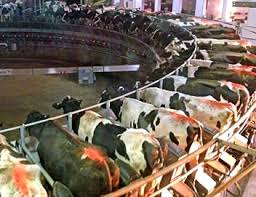
As people point fingers at the dangers of “wet markets,” it’s easy to overlook the closer to home problem of factory farms. Our next zoonotic pandemic could easily come from a factory farm.

By Mackenzie Aime


As the new coronavirus escalated into a pandemic, it became important to pinpoint its origin.

Headlines circulated at the beginning of the outbreak, pointing to “wet markets” in China as the potential source of the outbreak.

While attention turned abroad, a more sinister disease incubator remains right here at home: factory farms. 

The Similarities Between Wet Markets And Factory Farms

The conditions in China’s wholesale wet markets are very similar to those in factory farms here in the U.S.

Factory farms, as the name implies, are essentially animal factories.

These facilities cram thousands of animals into tightly packed spaces; these conditions cause elevated stress responses in animals.

In the warehouse-like structures animals receive little, if any, sunlight or fresh air.

Factory farms have also bred animals that are virtually genetically identical, making mass production possible of all the inputs from feed to barn construction.

We raise animals for food on a modern day assembly line.  But those conditions make them prime targets for the spread and incubation of disease.

And when one animal in a factory farm gets sick, the pathogen can rapidly spread — killing hundreds or thousands of animals and potentially jumping to humans.

This is exactly what it means when a disease is “zoonotic.”

Viral Pandemics Have Sprung From Factory Farms In The Past

This isn’t a “what if” scenario. It’s happened before — several pandemics have been incubated in factory farms.

In the late 1990s, the H1N1 flu virus originated in factory farms in North Carolina.

A mutated form of this North Carolina virus later popped up in a factory farm in Mexico where it spread around the world, leading to the 2009 H1N1 flu pandemic.

During its first year of circulation, the 2009 H1N1 flu killed between 151,700 - 575,400 people worldwide.

And, in 2006 an outbreak of bird flu turned into a full-scale pandemic after originating in factory farms in China.

In early April as the coronavirus was raging, a South Carolina poultry factory farm operation was forced to cull tens of thousands of birds after discovering an outbreak of bird flu.

While thankfully contained to this single farm, this outbreak could have had equally dire consequences.

These are just a few examples; there are plenty more. The fact that these previous outbreaks did not force us into home isolation was only a stroke of dumb luck. 

The factory farm industry is acutely aware that it is playing with fire.

Antibiotics, meant for the treatment of bacterial infections, are routinely used on factory farms to prevent the spread of disease.

In fact, 70 percent of the total volume of medically important antibiotics in the US are sold for animal agriculture.

This overuse of antibiotics has led to antibiotic resistance, where infections that were once curable develop a resistance to drugs that had previously been used to treat them — yet another pandemic in the making.

The rise of drug-resistant superbugs, MRSA for example, puts our collective public health at risk and could have dire consequences in future pandemics, especially those that have bacterial complications like pneumonia.

Our public health and ability to treat diseases should not be sold for corporate gain.

Family Farms Would Be A Saving Grace In A Pandemic, But Are Stomped Out By Factory Farms

The current coronavirus pandemic is demonstrating how fragile our highly consolidated food system is and how ill-equipped it is to handle emergency situations.

Every day more and more meatpacking plants become ground zero for new outbreaks of coronavirus, and thousands of people are putting their lives on the line to keep these facilities functioning.

Produce is being plowed under and meat is piling up in cold storage — even as unprecedented lines at food banks demonstrate the massive need for food as unemployment rates skyrocket.

Corporate agriculture has created this broken system, which constantly puts us at risk of another pandemic, and yet corporate agriculture has shown that it is wholly unable to meet our needs during a pandemic.

Where are our public institutions in this time of crisis?

Our food system is being held hostage by a few corporations that control everything — from piglets to politicians.

With this power, the factory farm industry has mercilessly lobbied against measures that would keep us and our food safe.

Demanding faster line speeds at meatpacking plants and unnecessarily increasing risks for slaughterhouse workers, opposing restrictions on antibiotic use, and even refusing to provide workers with necessary protective equipment — this is just a tiny fraction of examples of how Big Ag puts profits before the lives of everyday people. 

Supporting The Farm System Reform Act Will Greatly Reduce Our Risk Of New Zoonotic Pandemics

This crisis has illustrated just how broken our food system truly is.

People are angry that wet markets are already reopening, but we cannot ignore that the way we raise animals in the U.S. also places us at risk for future pandemics.

As the COVID-19 outbreak forces us to significantly alter our daily lives and as the disease continues to spread, will we finally muster the political will to overhaul our food system — including banning factory farms — to decrease the likelihood of the next pandemic?

Our lives depend on it. Ask your legislators to support the Farm System Reform Act today!

Mackenzie Aime is an Iowa Organizer for Food & Water Watch. She works to build support for a moratorium against factory farming so that Iowa has a future for its strong communities, independent family farmers, and environmental resources. Prior to joining Food & Water Watch, Mackenzie served as an Emerson Hunger Fellow striving to eradicate poverty by working on housing policy at RESULTS and by creating a comprehensive food system plan in rural West Virginia with Reconnecting McDowell. She received her Bachelors in Interdisciplinary Studies with a focus on food justice from Emory University.

She can be reached at meaime[at]fwwatch.org.

https://www.foodandwaterwatch.org/news/next-pandemic-could-easily-come-our-factory-farms


You might also like:


Factory Farming

CLICK HERE . . . to view . . . 

https://puricare.blogspot.com/2020/05/factory-farming-factory-farming-is.html

...........................................................................................................................................................................................................................................................................................

Vertical Farming

CLICK HERE . . . to view . . . 

https://puricare.blogspot.com/2020/06/vertical-farming-vertical-farming.html

..........................................................................................................................................................................................................................................................................................

Tunnel ventilation

CLICK HERE . . . to view . . . 

https://puricare.blogspot.com/2016/09/commercial-meat-chicken-farms-are.html

........................................................................................................................................................................................................................................................................................... 

Saturday, January 16, 2021

TURBIDITY - Turbidity is a measure of the amount of suspended material in the water. It describes the clarity of water. Suspended materials in water, such as clay, silt, and algae, reduce water clarity and cause turbidity. Why is Turbidity Important? Turbidity is an important indicator of the amount of suspended sediment in water, which can have many negative effects on aquatic life. The suspended sediments that cause turbidity can block light to aquatic plants, smother aquatic organisms, and carry contaminants and pathogens, such as lead, mercury, and bacteria. How is Turbidity measured? Turbidity is reported in either NTUs or JTUs. These units refer to the method used to measure turbidity. NTUs reflect a more precise measurement method, and are used by government agencies and in scientific research. Turbidity Technology Turbidity is measured by evaluating the amount of light scattered in water. This can be done with simple visual assessments, such as the original Jackson Candle turbidimeter, or more accurate, technological methods, such as the nephelometric method. UPDATE: Fondriest Environmental is offering their expertise in turbidity through their new online knowledge base. For an updated and comprehensive look at turbidity, its causes, and its importance, check out: Turbidity, Total Suspended Solids and Water Clarity. Fondriest Environmental is the trusted partner you can turn to for help with environmental monitoring projects.


...........................................................................................................................................................................................................................................................................................................................................................................

Turbidity

By Fondriest Staff


UPDATE: Fondriest Environmental is offering their expertise in turbidity through their new online knowledge base. For an updated and comprehensive look at turbidity, its causes, and its importance, check out: Turbidity, Total Suspended Solids and Water Clarity.


Turbidity is a measure of the amount of suspended material in the water. It describes the clarity of water.

Suspended materials in water, such as clay, silt, and algae, reduce water clarity and cause turbidity.

Why is Turbidity Important?

Turbidity is an important indicator of the amount of suspended sediment in water, which can have many negative effects on aquatic life.

The suspended sediments that cause turbidity can block light to aquatic plants, smother aquatic organisms, and carry contaminants and pathogens, such as lead, mercury, and bacteria.

How is Turbidity measured?

Turbidity is reported in either NTUs or JTUs. These units refer to the method used to measure turbidity.

NTUs reflect a more precise measurement method, and are used by government agencies and in scientific research.

Turbidity Technology

Turbidity is measured by evaluating the amount of light scattered in water.

This can be done with simple visual assessments, such as the original Jackson Candle turbidimeter, or more accurate, technological methods, such as the nephelometric method.

Fondriest Environmental is the trusted partner you can turn to for help with environmental monitoring projects. We can assist in everything from planning and monitoring to systems integration, equipment calibration and even staff training. We produce the Environmental Monitor to provide the latest in monitoring technology and environmental applications.

https://www.fondriest.com/news/turbidity.htm


You might also like:


What is Turbidity

https://puricare.blogspot.com/2020/06/what-is-turbidity-turbidity-measure-of.html

............................................................................................................................................................................................................................................................................................

Turbidity, Total Suspended Solids & Water Clarity

CLICK HERE . . . to view . . . 

https://puricare.blogspot.com/2020/02/turbidity-total-suspended-solids-water.html

............................................................................................................................................................................................................................................................................................

Turbidity and Health Risk

https://puricare.blogspot.com/2019/12/turbidity-and-health-risk-turbidity.html

............................................................................................................................................................................................................................................................................................

Good Water Quality Physical Parameters

CLICK HERE . . . to view . . . 

https://puricare.blogspot.com/2017/05/good-water-quality-physical-parameters.html

............................................................................................................................................................................................................................................................................................

Your tap water might be dangerous to drink

https://puricare.blogspot.com/2020/05/signs-your-tap-water-might-be-dangerous.html

............................................................................................................................................................................................................................................................................................

Flocculation

CLICK HERE . . . to view . . . 

https://puricare.blogspot.com/2018/08/flocculation-flocculation-clarifies.html

............................................................................................................................................................................................................................................................................................

Is Turbidity a health risk

https://puricare.blogspot.com/2016/08/turbidity-turbidity-itself-is-not-major.html

............................................................................................................................................................................................................................................................................................

Groundwater
Characteristics

CLICK HERE . . . to view . . . 

https://puricare.blogspot.com/2016/04/groundwater-characteristics-puricare.html

Friday, January 15, 2021

BIOLOGICAL WARFARE - During the Sino-Japanese War Japanese soldiers assigned to Unit 731 of the Imperial Japanese Army Water Supply and Prophylaxis Administration one night infected 3,000 bread rolls with typhoid, previously grown in a laboratory. The next morning these bread rolls were fed to Chinese POWs. Within days many were writhing in agony slowly dying from the disease. Japanese scientists moved amongst the dying meticulously recording details. These scientists were involved in a secret biological weapons program. Japanese occupation was often very brutal with many Chinese civilians suffering at the hands of the Japanese. In charge of this top secret biological weapons program was Dr Ishii Shiro, Japan's most prominent bacteriologist. In 1932, when Japan invaded Manchuria, Shiro performed many horrible experiments on the population in an effort to perfect an efficient weapon of mass destruction. By 1940, Shiro had developed the world's first biological weapon of mass destruction. His weapon of mass destruction was used against a Chinese village with 4,000 people. It consisted of bombs packed with bubonic-plague infected fleas. The entire village was wiped out. An attempt to counter the U.S. forces invading Okinawa with a similar weapon failed when the ship carrying the pathogens was sunk by a U.S. submarine.A plan to drop pathogens on Los Angeles by seaplanes launched from a giant submarine was shelved by the Japanese General Staff.

...............................................................................................................................................................................................................................................................................................................................................................................................

Biological warfare

dynamicscience.com


During the Sino-Japanese War Japanese soldiers assigned to Unit 731 of the Imperial Japanese Army Water Supply and Prophylaxis Administration one night infected 3,000 bread rolls with typhoid, previously grown in a laboratory.

The next morning these bread rolls were fed to Chinese POWs.

Within days many were writhing in agony slowly dying from the disease.

Japanese scientists moved amongst the dying meticulously recording details.

These scientists were involved in a secret biological weapons program.   

Japanese occupation was often very brutal with many Chinese civilians suffering at the hands of the Japanese.

In charge of this top secret biological weapons program was Dr Ishii Shiro, Japan's most prominent bacteriologist.

In 1932, when Japan invaded Manchuria, Shiro performed many horrible experiments on the population in an effort to perfect an efficient weapon of mass destruction.

By 1940, Shiro had developed the world's first biological weapon of mass destruction.

His weapon of mass destruction was used against a Chinese village with 4,000 people.

It consisted of bombs packed with bubonic-plague infected fleas.

The entire village was wiped out.

An attempt to counter the U.S. forces invading Okinawa with a similar weapon failed when the ship carrying the pathogens was sunk by a U.S. submarine.

A plan to drop pathogens on Los Angeles by seaplanes launched from a giant submarine was shelved by the Japanese General Staff.

Shiro argued that this attack was justified since the U.S. forces were using napalm to incinerate Japanese soldiers dug in their trenches and deep fortifications.

Biological warfare is not a recent phenomenon.

Plague has a long history as a biological weapon.

Historical accounts from medieval Europe detail the use of infected animal carcasses, such as cows or horses, and human carcasses, by Mongols, Turks and other groups, to contaminate enemy water supplies.

Plague victims were also reported to have been tossed by catapult into enemy castles under siege.

Bubonic plague becomes evident three to seven days after the infection.

Initial symptoms are chills, fever, diarrhea, headaches, and the swelling of the infected lymph nodes, as the bacteria replicate there.

If left untreated there is a 75% mortality rate. The effects of the bubonic plague are evident on the right.

http://www.dynamicscience.com.au/tester/solutions1/war/biological/biologicalwrf.htm


You might also like:


The Black Death

CLICK HERE . . . to view . . . 

https://puricare.blogspot.com/2020/04/the-black-death-black-death-is-term.html

..........................................................................................................................................................................................................................................................................................

The Plagues of Egypt 

CLICK HERE . . . to view . . . 

https://puricarechronicles.blogspot.com/2018/11/ten-plagues-plagues-of-egypt-it-took.html

..........................................................................................................................................................................................................................................................................................

Inside a Locust Plague

CLICK HERE . . . to view . . . 

https://puricare.blogspot.com/2020/06/inside-locust-plague-desert.html

..........................................................................................................................................................................................................................................................................................

Devastating Plagues

CLICK HERE . . . to view . . . 

https://puricare.blogspot.com/2020/04/devastating-plagues-six-of-most.html

..........................................................................................................................................................................................................................................................................................

Nostradamus

specialized in the treatment of the Bubonic Plague

CLICK HERE . . . to view . . . 

https://puricarechronicles.blogspot.com/2018/05/nostradamus-many-people-are-asking-did.html

..........................................................................................................................................................................................................................................................................................

Plagues and the End Times

CLICK HERE . . . to view . . . 

https://puricarechronicles.blogspot.com/2020/04/plagues-end-times-and-trusting-in-gods.html

..........................................................................................................................................................................................................................................................................................

Plagues, Panic and Providence

CLICK HERE . . . to view . . . 

https://puricarechronicles.blogspot.com/2020/04/plagues-panic-and-providence-faith-not.html

..........................................................................................................................................................................................................................................................................................

The Plagues Of Egypt

CLICK HERE . . . to view . . . 

https://puricarechronicles.blogspot.com/2019/11/the-plagues-of-egypt-hebrews-from-land.html

Wednesday, January 6, 2021

BACKPACKING WATER TREATMENT - Options & Tips - There’s no easy way to tell whether or not that pristine-looking stream a few hundred yards away from your camp is harboring a gut-seeking microbe. If any animal, including humans, can reach an area, so can disease-causing microorganisms. You might find people who claim they’ve been happily drinking untreated backcountry water for years. Beyond mere good fortune, it’s possible they have especially robust immune systems. Such symptom-free people can, of course, still carry their microbiological secret with them to each and every new campsite. The best practice is to treat water from any source, which is what most savvy outdoor visitors do. Any water source on Earth could contain microscopic pathogens, a fluvial zoo spawned when that source became contaminated with human or animal feces. Ingesting as few as 10 disease-causing microorganisms is enough to produce diarrhea and other dehydration-inducing symptoms. Always carry a backup treatment system. A filter can be lost; batteries can drain; a device can get broken. Chemicals offer extra security with negligible weight. Boiling is a surefire backup option: Bring water to a rolling boil for 1 minute, or for 3 minutes if you’re above 6,500 feet. Flowing water, especially in a stream or river is a good option because it isn’t conducive to the growth of algae or the accumulation of microorganisms. A bonus is that mosquitoes don’t lay eggs in fast-flowing water.

..........................................................................................................................................................................................................................................................................................................................................................

Backpacking Water Treatment

Options & Tips

.

Any water source on Earth could contain microscopic pathogens. Ingesting as few as 10 disease-causing microorganisms is enough to produce diarrhea and other dehydration-inducing symptoms. Always carry a backup treatment system. A filter can be lost; batteries can drain; a device can get broken. Chemicals offer extra security with negligible weight. Boiling is a surefire backup option.

Tim Bird 

This article is part of our series: How to Go Backpacking


Why all the fuss about water treatment outdoors?

The answer is that there’s no easy way to tell whether or not that pristine-looking stream a few hundred yards away from your camp is harboring a gut-seeking microbe.

If any animal, including humans, can reach an area, so can disease-causing microorganisms.

You might find people who claim they’ve been happily drinking untreated backcountry water for years.

Beyond mere good fortune, it’s possible they have especially robust immune systems.

Such symptom-free people can, of course, still carry their microbiological secret with them to each and every new campsite.

The best practice is to treat water from any source, which is what most savvy outdoor visitors do.

This article offers an overview and tips on outdoor water treatment. To learn about options for travel abroad, read Water Treatment for International Travel.

Primary Types of Waterborne Threats

Any water source on Earth could contain microscopic pathogens, a fluvial zoo spawned when that source became contaminated with human or animal feces.

Ingesting as few as 10 disease-causing microorganisms is enough to produce diarrhea and other dehydration-inducing symptoms.

Pathogens, some of which can survive for months outdoors, fall within three primary types:

Protozoa include Cryptosporidium parvum and Giardia lamblia. These have a hard outer cyst that protects them against certain chemicals. Their relatively large size, though, makes them easier to filter out of water.

Bacteria include Escherichia coli (E. coli), Salmonella, Campylobacter and many others. These midsize microorganisms can also be removed by water filters.

Viruses include Hepatitis A, rotavirus, and norovirus. Because they are smaller than protozoa and bacteria, they are difficult to filter out of water. Technically speaking, treating water by removing or neutralizing them is when you’re “purifying” water.

For a detailed look at your treatment options for all of these pathogens, read How to Choose a Filter or Purifier.

Tip: Always carry a backup treatment system. A filter can be lost; batteries can drain; a device can get broken. Chemicals offer extra security with negligible weight. Boiling is a surefire backup option: Bring water to a rolling boil for 1 minute, or for 3 minutes if you’re above 6,500 feet.

Where to Gather Water

What to look for in a water source:

·      Flowing water, especially in a stream or river. This is a good option because it isn’t conducive to the growth of algae or the accumulation of microorganisms. A bonus is that mosquitoes don’t lay eggs in fast-flowing water.

·      If no clear flowing source is available, then look for calm water (a lake, a pool, a slow-moving stream) without a lot of sediment or silt. Clearer water passes through a filter more swiftly and reduces the chance of clogging.

·      A location that allows you to reach well away from the shore, where microorganisms tend to accumulate in higher concentrations.

Tip: After a heavy rain, wait before gathering water for treatment. When streams are on the rise, rain has washed surface material into them, as well as lakes and other water sources. This increases bacterial loads and muddies up gathered water.

Danger signs in a water source:

The following tipoffs suggest a much greater likelihood of contamination.

If you can choose another water source, do so. If not, then follow water treatment directions for your product carefully.

·      Water (particularly at lower elevations) near meadows or pastures where animals have grazed or near popular, established campsites.

·      Evidence of pack animal traffic or other domesticated animal activity.

·      Signs of sloppy human behavior or a prolonged human visit.

·      Excessive amounts of foam or brown scum, which can indicate algae blooms; though algae itself is rarely harmful, it indicates a nutrient-rich environment for microorganisms to grow.

·      Dirty snow, which indicates human visitors and impacts; also, don’t assume that even clean-looking snow is “safe” because bacteria can live for months in ice.

How to Gather Water

The most important thing when you gather water for treatment is to seek out the clearest possible water.

Leaves, algae and silt don’t pose a threat, but they do complicate the process of treating water when they’re present.

If murky or silty water is unavoidable, consider these strategies:

·      Gather from the surface: Use the pot in your cookset and scoop water from near the surface of the least murky section of water you can locate. Let the pot sit so sediment sinks to the bottom. Take care not to disturb the sediment as you treat this now clearer water.

·      Use a prefilter. If you’re using a filter, its intake hose likely has one on the end. It keeps larger debris from clogging the internal filter element. Prefilters are even more essential for UV-treatment options, and are often sold as an accessory item. No prefilter? Strain water through a bandanna before treating.

Many illnesses attributed to bad water are actually caused by poor hygiene, so keep your hands clean. Pack hand sanitizer and use it often — each and every time you answer Nature’s call. It’s also good practice to sanitize before food prep, before water duty and after your hands have been in contact with a natural water source. 

Leave No Trace Practices

Good practices are required to keep water sources pristine. As more and more of us visit wild places, we need to rededicate ourselves to Leave No Trace principles. Below are some of the key principles related to preserving the quality of backcountry water:

·      Camp at least 200 feet away from water sources.

·      Properly dispose of human waste at least 200 feet away from water sources.

·      Carry water for cleaning at least 200 feet away from water sources.

·      Never use or toss soapy water directly into backcountry water sources. It can help spawn a population of microscopic pathogens in the water.

·      Dispose of soapy water by dispersing it on soil rather than rocks. Soil microorganisms help metabolize the pollutants.

https://youtu.be/Kb_6eXF8kVE

Tim Bird

Camping and Hiking Sales Manager Tim Bird (REI Knoxville, Tenn.), has treated backcountry water along the full length of the Appalachian Trail.

Expert Advice

Your go-to source for expert outdoor knowledge you can trust. All the information you need to learn new skills, choose and maintain gear, prep for your trips and have amazing adventures.

https://www.rei.com/learn/expert-advice/water-treatment-howto.html


You might also like:


The Leave No Trace Principles 

CLICK HERE . . . to view . . . 

https://puricare.blogspot.com/2017/09/leave-no-trace-leave-no-trace-seven.html

..........................................................................................................................................................................................................................................................................................

Survival Solutions

CLICK HERE . . . to view . . . 

https://puricarechronicles.blogspot.com/2020/01/image-result-for-images-survivalist.html

..........................................................................................................................................................................................................................................................................................

Preparedness Plan In The Event Of A Crisis

CLICK HERE . . . to view . . . 

https://puricarechronicles.blogspot.com/2019/12/having-preparedness-plan-in-event-of_7.html

..........................................................................................................................................................................................................................................................................................

How Long Can You Survive Without Water

CLICK HERE . . . to view . . . 

https://puricare.blogspot.com/2020/05/how-long-can-you-survive-without-water.html

..........................................................................................................................................................................................................................................................................................

Preparedness

CLICK HERE . . . to view . . . 

https://puricarechronicles.blogspot.com/2019/11/preparedness-spiritual-preparedness.html

..........................................................................................................................................................................................................................................................................................

Ways to prevent dehydration in a survival scenario

CLICK HERE . . . to view . . . 

https://puricare.blogspot.com/2020/04/preventing-dehydration-in-survival.html

........................................................................................................................................................................................................................................................................................

How Long A Human Can Survive Only On Water

CLICK HERE . . . to view . . . 

https://puricare.blogspot.com/2020/04/how-long-can-human-survive-only-on.html