Showing posts with label Motion sickness. Show all posts

Tuesday, December 3, 2019

AIRSICKNESS - Motion sickness in flight - Dealing with it and travelling worry-free - The most common symptoms of airsickness are nausea, stomach pain, vomiting and dizziness. This condition is caused by the movements and oscillations of the plane whilst it is in flight. Once the plane has taken off, the human eye notes the apparent lack of movement inside the cabin whilst the ear detects the oscillations of the aircraft. So the brain receives conflicting messages from its sensory apparatus and induces a feeling of loss of balance and general malaise. It is a good idea to avoid coffee, alcohol, nicotine and fatty foods that could take a long time to digest, causing nausea. Ensure that you know where the airsickness bags are located, just in case you need them.

Mal d aereo1400x600  fill  1400x600
................................................................................................................................................................
Airsickness
5 tips for dealing with it and travelling worry-free
Air Dolomiti


Motion sickness in flight - otherwise known as airsickness - is a real problem for many people.
The most common symptoms of this condition are nausea, stomach pain, vomiting and dizziness.
This condition is caused by the movements and oscillations of the plane whilst it is in flight.
Once the plane has taken off, the human eye notes the apparent lack of movement inside the cabin whilst the ear detects the oscillations of the aircraft.
So the brain receives conflicting messages from its sensory apparatus and induces a feeling of loss of balance and general malaise. 
To help ease this disorder, there are a few methods that you can try out both before and during the flight.
Here are 5 simple things you can do to prevent and combat the symptoms of airsickness: 
•   Eat a light meal before boarding the plane: flying on an empty stomach, contrary to popular belief, does not help to avoid airsickness - in fact, it exacerbates it.
    We would therefore recommend having a few light snacks before the flight, such as fruit, vegetables or some crackers.
    It is a good idea to avoid coffee, alcohol, nicotine and fatty foods that could take a long time to digest, causing nausea.
•   Choose the right seat for you: pick a seat close to the window and try to focus on a point on the horizon to give your brain an external reference.
    If you are travelling after sunset, choose a seat in the middle of the plane where the movements and oscillations of the aircraft are less dramatic.
    Finally, ensure that you know where the airsickness bags are located, just in case you need them.
•   Avoid reading or staring at the screen of an electronic device for a long time: just as with carsickness, concentrating on an object in your hands or inside the cabin contributes to a loss of orientation, causing nausea.
    Try to look out of the window and only concentrate on details in the cabin for short periods of time.
•   Chew some minty chewing gum and focus on your breathing: the action of chewing stimulates digestion and relaxation.
    Mint flavouring also has a soothing effect on the stomach, alleviating the sensation of nausea and indigestion.
    In the meantime, try to take slow, deep breaths to ease yourself to sleep.
•   Use anti-nausea drugs or natural remedies: there are various commonly-used, over-the-counter drugs for airsickness, including sedative antihistamines, which you should take half an hour before the flight, and the hyoscine patch, which you should place behind your ear.
    Remember to take note of any possible side effects, including dry mouth and blurred vision.
    There are also some very effective natural remedies for airsickness, such as ginger, which is widely believed to have an anti-nausea effect, or lemon, whose pungent flavour encourages the brain to pay more attention to the information coming from the body. 
We hope that these tips will help you to combat airsickness. We would like to remind you that if you need anything at all, our cabin crew will be more than happy to help.
Enjoy your trip with Air Dolomiti!

Air Dolomiti began operations in 1991, with the aim of developing connections from smaller Italian cities to the rest of Europe, concentrating on the frequency and scheduling of its flights and the quality of the service. Today Air Dolomiti represents the Italian branch of Lufthansa, flying out of Italy's main airports to Germany, with more than 550 flights weekly to Munich and Frankfurt airports.
Mal d aereo1400x600  fill  1400x600

Sunday, December 1, 2019

SEASICKNESS - Seasickness is a result of a conflict in the inner ear, where the human balance mechanism resides, and is caused by a vessel’s erratic motion on the water. Seasickness usually occurs in the first 12 to 24 hours after “setting sail,” and dissipates once the body acclimates to the ship's motion. It’s rare for anyone to get or stay ill beyond the first couple of days at sea — unless the vessel encounters really rough waves. If you do get seasick, take comfort in the fact that recovery is only a matter of time, and the survival rate is 100 percent! Sensible eating, good hydration, and some patience, are all that are usually required to get past a bout of seasickness.

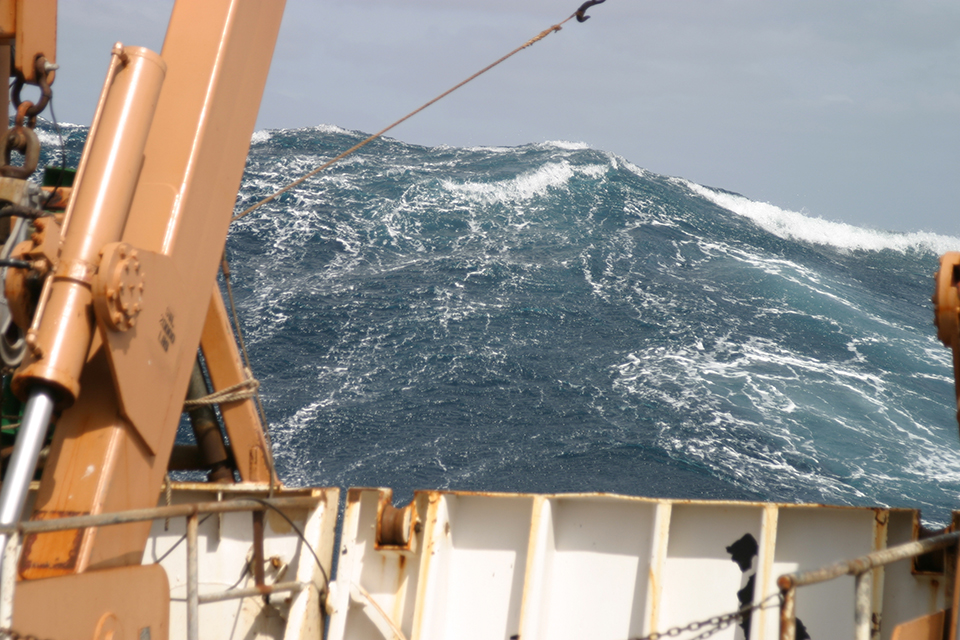
Past the rigging of a ship at sea, the ocean swells high above the horizon of the ship.
.......................................................................................................................................................
Seasickness
What causes seasickness?
The National Ocean Service


Seasickness results from a conflict in the inner ear and the erratic motion of a vessel.
One of the least pleasant aspects of going to sea is the possibility of getting seasick.
An individual's susceptibility to seasickness is highly variable.
If you've ever had motion sickness when traveling by car, plane, or amusement park ride, you may be more susceptible to seasickness while aboard a vessel.
Seasickness is a result of a conflict in the inner ear, where the human balance mechanism resides, and is caused by a vessel’s erratic motion on the water.
Inside the cabin of a rocking boat, for example, the inner ear detects changes in both up-and-down and side-to-side acceleration as one’s body bobs along with the boat.
But, since the cabin moves with the passenger, one’s eyes register a relatively stable scene.
Agitated by this perceptual incongruity, the brain responds with a cascade of stress-related hormones that can ultimately lead to nausea, vomiting, and vertigo.
Additionally, an affected person’s symptoms can be magnified by the strong odors of things like diesel fumes and fish.
Seasickness usually occurs in the first 12 to 24 hours after “setting sail,” and dissipates once the body acclimates to the ship's motion.
It’s rare for anyone to get or stay ill beyond the first couple of days at sea — unless the vessel encounters really rough waves.
If you do get seasick, take comfort in the fact that recovery is only a matter of time, and the survival rate is 100 percent!
Sensible eating, good hydration, and some patience are all that are usually required to get past a bout of seasickness.
Here are a few tips to help ease the symptoms of seasickness:
·      Maintain your fluid intake. Seasickness and related medications cause dehydration and headaches. Drink water, low-acidity juices like apple and carrot, or clear soup, and avoid milk and coffee.
·      Keep moving. Most people find that being busy keeps their minds off their discomfort.
·      Stay on deck, even if it’s raining, because the fresh air is often enough to speed recovery. The closed-in quarters below deck magnify the vessel’s motion and worsen symptoms.
·      Carry a plastic bag. This simple approach allows for peace of mind by eliminating some of the panic of getting seasick. If you have to vomit "over the side,” though, check the direction of the wind and waves. Staying leeward (the side of the ship that’s sheltered from the wind) will ensure that an unpleasant experience doesn’t get even worse.
·      Consider an over-the-counter medication to prevent or minimize motion sickness. A dose is usually recommended about an hour prior to setting sail, and as needed at sea. These medications tend to be dehydrating, though, so drink plenty of water.
.
And don’t be embarrassed for getting seasick. Many people do — including seasoned travelers, professional fishers, sailors, and marine scientists.

The National Ocean Service provides data, tools, and services that support coastal economies and their contribution to the national economy.
Our mission is to provide science-based solutions through collaborative partnerships to address evolving economic, environmental, and social pressures on our ocean and coasts.
Past the rigging of a ship at sea, the ocean swells high above the horizon of the ship.
A large wave towering astern of the NOAA Ship Delaware II in 2005 while crossing the Atlantic Ocean's New England Seamount Chain.