Showing posts with label Streams. Show all posts

Friday, March 19, 2021

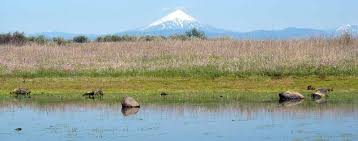
VERNAL POOLS - April showers bring May flowers – and vernal pools, if you live in California or Southern Oregon. Vernal pools are seasonal depressional wetlands that fill up with rainwater during winter and spring, but may be dry for part of the year. They are typically found on the West Coast, especially in California and Southern Oregon, but can also be found in parts of the Northeast and Midwest. Western vernal pools often occur within “vernal pool landscapes” where swales connect vernal pools to each other and to seasonal streams. Vernal pools vary in size from 1 square meter to more than 2 acres. Western vernal pools can connect to other pools and streams that flow seasonally or only after rain. Multiple studies show that California vernal pools fill with water and flow into these channels, sending water downstream during many days of the year. These connections can impact the base flow of downstream waters, altering their physical characteristics. Western vernal pools are also hot spots of biodiversity, with native plant and animal species some of which can only be found in vernal pool habitats. In a study of vernal pools, 17 out of 67 species were only found in one of the surveyed ponds. In turn, these plants and animals provide food and habitat for shorebirds and waterfowl. Vernal pools, like other depressional wetlands, can also help to store and slow floodwaters.

.....................................................................................................................................................................................................................................................................................................................................................................................

Vernal Pools

What Are Vernal Pools and How Do They Help Clean Water

American Rivers


April showers bring May flowers – and vernal pools, if you live in California or Southern Oregon.

Vernal pools are seasonal depressional wetlands that fill up with rainwater during winter and spring, but may be dry for part of the year.

They are typically found on the West Coast, especially in California and Southern Oregon, but can also be found in parts of the Northeast and Midwest.

Western vernal pools often occur within “vernal pool landscapes” where swales connect vernal pools to each other and to seasonal streams.

Vernal pools vary in size from 1 square meter to more than 2 acres.

Why Care About Western Vernal Pools?

Western vernal pools can connect to other pools and streams that flow seasonally or only after rain.

Multiple studies [PDF] show that California vernal pools fill with water and flow into these channels [PDF], sending water downstream during many days of the year.

These connections can impact the base flow of downstream waters, altering their physical characteristics.

Western vernal pools are also hot spots of biodiversity, with native plant and animal species some of which can only be found in vernal pool habitats.

In a study of vernal pools, 17 out of 67 species [PDF] were only found in one of the surveyed ponds.

In turn, these plants and animals provide food and habitat for shorebirds and waterfowl.

Vernal pools, like other depressional wetlands, can also help to store and slow floodwaters.

Are They Protected Under The Clean Water Act?

Right now, it’s unlikely that vernal pools would currently be protected under the Clean Water Act.

The proposed Clean Water Rule acknowledges these connections and sets up a process where similar “other waters” that lie outside of the floodplain can be protected under the Clean Water Act.

These waters collectively with other similar waters must demonstrate a significant connection to downstream waters, meaning that those waters have a more than speculative impact on the chemical, physical, and biological integrity of downstream protected waters.

Although playa lakes aren’t categorically protected right now under the draft rule, the EPA and the Army Corps are looking for input about whether they should be.

Life needs rivers.

It’s not just that rivers make our lives better. We can’t survive without them.

American Rivers works to create a future of clean water and healthy rivers everywhere, for everyone.

American Rivers believes a future of clean water and healthy rivers everywhere, for everyone is essential. Since 1973, we have protected wild rivers, restored damaged rivers and conserved clean water for people and nature. With headquarters in Washington, D.C. and 300,000 supporters, members and volunteers across the country, we are the most trusted and influential river conservation organization in the United States, delivering solutions for a better future.

https://www.americanrivers.org/rivers/discover-your-river/vernal-pools/

Saturday, January 23, 2021

The Water Cycle - What is the Water Cycle - The water does not just magically appear in either place; it is a long process. One of the most interesting things about water is that there is not really a beginning or an end to that process - there is what is referred to as ‘the water cycle’ and it points to the fact that the water we have today is the same water that we have been using since the dawn of ages, it just keeps getting recycled. Let’s inject ourselves in to a part of the cycle that seems like a good starting point – rain. Rain water falls from the clouds, landing on our backyards, roof tops, roads, lakes, and rivers (and everything else). Here water can settle into the landscape (infiltration) or it can wash away (run-off). The water that is absorbed by the landscape works its way down through layers of leaves, dirt and rock until it runs into the water table or ground water (also called an aquifer). The water that washes away follows gravity down hills, into water drains picking up speed and debris as it goes; this water ends up washing into our streams and creeks causing them to fill up and flow faster. Our creeks start as small trickles that bubble up from the water table at a point called a ‘spring’. These trickles of water come together as they head downhill to the ocean with each merger they increase the amount of water that runs in them and they become creeks, streams, and rivers. This inner connection of hundreds or thousands of creeks, streams and rivers is called a watershed.

...............................................................................................................................................................................................................................................................................................................................................................................................
Water Cycle shows that all of our water is connected.

The Water Cycle

What is the Water Cycle

American Rivers


Where does our water come from?

And how did it get there?

For some folks the answer is the grocery store (and Fiji) but for most of us the answer is that it flows out of the tap when we turn it on.

Though the reality is that the water does not just magically appear in either place; it is a long process.

One of the most interesting things about water is that there is not really a beginning or an end to that process - there is what is referred to as ‘the water cycle’ and it points to the fact that the water we have today is the same water that we have been using since the dawn of ages, it just keeps getting recycled.

How the Water Cycle Works

Let’s inject ourselves in to a part of the cycle that seems like a good starting point – rain.

Rain water falls from the clouds, landing on our backyards, roof tops, roads, lakes, and rivers (and everything else).

Here water has two choices: it can settle into the landscape (infiltration) or it can wash away (run-off).

The water that is absorbed by the landscape works its way down through layers of leaves, dirt and rock until it runs into the water table or ground water (also called an aquifer).

The water that washes away follows gravity down hills, into water drains picking up speed and debris (leaves, trash, dirt, pet waste) as it goes; this water ends up washing into our streams and creeks causing them to fill up and flow faster.

But, where did that creek come from?

Our creeks start as small trickles that bubble up from the water table at a point called a ‘spring’.

These trickles of water come together as they head downhill to the ocean with each merger they increase the amount of water that runs in them and they become creeks, streams, and rivers.

This inner connection of hundreds or thousands of creeks, streams and rivers is called a watershed.

The water that flows in the Mississippi River (the largest river watershed in the country) past New Orleans could have started near Pittsburg, PA in the Ohio River or Bismarck, ND in the Missouri River or Oklahoma City, OK in the South Canadian River.

Everyone that lives in our watersheds needs some of that water to be clean enough to drink so they can live.

Some people, businesses, farmers, and towns use wells (holes drilled deep into the ground) to pull water from the underground water table.

This water is cleaned up as is filters its way down through the dirt, rock and clay of the earth’s crust.

It is critical for that water supply that there are areas that are clean and open enough for water to be able to be absorbed into the ground and that the ground that the water is moving through is clean.

Other communities use water pulled directly from our rivers for their drinking water.

In this case it is critical that the water that is washed into those creeks, streams, and rivers or that bubbles up from springs is as clean as possible before being pulled from the river.

Once a community system pulls that water from a river (and in some cases a well), the water is treated to federal and state required purity levels before being pumped and piped to our houses as clean drinking water.

It is only at this point that the water is able to come out of your tap when you turn the faucet on.

About American Rivers

The mission of American Rivers is to protect wild rivers, restore damaged rivers and conserve clean water for people and nature.

We combine national advocacy with field work in key river basins to deliver the greatest impact. We are practical problem-solvers with positions informed by science. We build partnerships and work closely with local river advocates, business and agriculture interests, recreation groups and others to forge win-win solutions. And with our expertise, outreach, and additional grants, we deliver the highest return on investment.

https://www.americanrivers.org/rivers/discover-your-river/what-is-the-water-cycle/


You might also like:


The Atmosphere and Weather are Essential to the Water Cycle

CLICK HERE . . . to view . . . 

https://puricare.blogspot.com/2020/12/the-water-cycle-atmosphere-and-weather.html

...........................................................................................................................................................................................................................................................................................

Water On The Earth

CLICK HERE . . . to view . . . 

https://puricare.blogspot.com/2018/05/water-on-earth-how-much-water-is-there.html

...........................................................................................................................................................................................................................................................................................

Precipitation is needed to replenish water to the earth

CLICK HERE . . . to view . . . 

https://puricare.blogspot.com/2021/01/precipitation-precipitation-is-needed.html

...........................................................................................................................................................................................................................................................................................

Shocking Facts about Fresh Water

CLICK HERE . . . to view . . . 

https://puricare.blogspot.com/2020/08/shocking-facts-about-fresh-water-while.html

...........................................................................................................................................................................................................................................................................................

Let's Talk About Water

CLICK HERE . . . to view . . . 

https://puricarechronicles.blogspot.com/2019/12/lets-talk-about-water-in-all.html

...........................................................................................................................................................................................................................................................................................

Rain Clouds

CLICK HERE . . . to view . . . 

https://puricarechronicles.blogspot.com/2020/11/rain-clouds-science-in-bible-clouds-are.html

...........................................................................................................................................................................................................................................................................................

What is 

groundwater

CLICK HERE . . . to view . . . 

https://puricare.blogspot.com/2016/06/groundwater-there-is-immense-amount-of.html

...........................................................................................................................................................................................................................................................................................

The Hydrological Cycle or Water Cycle

CLICK HERE . . . to view . . . 

https://puricare.blogspot.com/2016/05/the-hydrological-cycle-or-water-cycle.html

Wednesday, January 6, 2021

BACKPACKING WATER TREATMENT - Options & Tips - There’s no easy way to tell whether or not that pristine-looking stream a few hundred yards away from your camp is harboring a gut-seeking microbe. If any animal, including humans, can reach an area, so can disease-causing microorganisms. You might find people who claim they’ve been happily drinking untreated backcountry water for years. Beyond mere good fortune, it’s possible they have especially robust immune systems. Such symptom-free people can, of course, still carry their microbiological secret with them to each and every new campsite. The best practice is to treat water from any source, which is what most savvy outdoor visitors do. Any water source on Earth could contain microscopic pathogens, a fluvial zoo spawned when that source became contaminated with human or animal feces. Ingesting as few as 10 disease-causing microorganisms is enough to produce diarrhea and other dehydration-inducing symptoms. Always carry a backup treatment system. A filter can be lost; batteries can drain; a device can get broken. Chemicals offer extra security with negligible weight. Boiling is a surefire backup option: Bring water to a rolling boil for 1 minute, or for 3 minutes if you’re above 6,500 feet. Flowing water, especially in a stream or river is a good option because it isn’t conducive to the growth of algae or the accumulation of microorganisms. A bonus is that mosquitoes don’t lay eggs in fast-flowing water.

..........................................................................................................................................................................................................................................................................................................................................................

Backpacking Water Treatment

Options & Tips

.

Any water source on Earth could contain microscopic pathogens. Ingesting as few as 10 disease-causing microorganisms is enough to produce diarrhea and other dehydration-inducing symptoms. Always carry a backup treatment system. A filter can be lost; batteries can drain; a device can get broken. Chemicals offer extra security with negligible weight. Boiling is a surefire backup option.

Tim Bird 

This article is part of our series: How to Go Backpacking


Why all the fuss about water treatment outdoors?

The answer is that there’s no easy way to tell whether or not that pristine-looking stream a few hundred yards away from your camp is harboring a gut-seeking microbe.

If any animal, including humans, can reach an area, so can disease-causing microorganisms.

You might find people who claim they’ve been happily drinking untreated backcountry water for years.

Beyond mere good fortune, it’s possible they have especially robust immune systems.

Such symptom-free people can, of course, still carry their microbiological secret with them to each and every new campsite.

The best practice is to treat water from any source, which is what most savvy outdoor visitors do.

This article offers an overview and tips on outdoor water treatment. To learn about options for travel abroad, read Water Treatment for International Travel.

Primary Types of Waterborne Threats

Any water source on Earth could contain microscopic pathogens, a fluvial zoo spawned when that source became contaminated with human or animal feces.

Ingesting as few as 10 disease-causing microorganisms is enough to produce diarrhea and other dehydration-inducing symptoms.

Pathogens, some of which can survive for months outdoors, fall within three primary types:

Protozoa include Cryptosporidium parvum and Giardia lamblia. These have a hard outer cyst that protects them against certain chemicals. Their relatively large size, though, makes them easier to filter out of water.

Bacteria include Escherichia coli (E. coli), Salmonella, Campylobacter and many others. These midsize microorganisms can also be removed by water filters.

Viruses include Hepatitis A, rotavirus, and norovirus. Because they are smaller than protozoa and bacteria, they are difficult to filter out of water. Technically speaking, treating water by removing or neutralizing them is when you’re “purifying” water.

For a detailed look at your treatment options for all of these pathogens, read How to Choose a Filter or Purifier.

Tip: Always carry a backup treatment system. A filter can be lost; batteries can drain; a device can get broken. Chemicals offer extra security with negligible weight. Boiling is a surefire backup option: Bring water to a rolling boil for 1 minute, or for 3 minutes if you’re above 6,500 feet.

Where to Gather Water

What to look for in a water source:

·      Flowing water, especially in a stream or river. This is a good option because it isn’t conducive to the growth of algae or the accumulation of microorganisms. A bonus is that mosquitoes don’t lay eggs in fast-flowing water.

·      If no clear flowing source is available, then look for calm water (a lake, a pool, a slow-moving stream) without a lot of sediment or silt. Clearer water passes through a filter more swiftly and reduces the chance of clogging.

·      A location that allows you to reach well away from the shore, where microorganisms tend to accumulate in higher concentrations.

Tip: After a heavy rain, wait before gathering water for treatment. When streams are on the rise, rain has washed surface material into them, as well as lakes and other water sources. This increases bacterial loads and muddies up gathered water.

Danger signs in a water source:

The following tipoffs suggest a much greater likelihood of contamination.

If you can choose another water source, do so. If not, then follow water treatment directions for your product carefully.

·      Water (particularly at lower elevations) near meadows or pastures where animals have grazed or near popular, established campsites.

·      Evidence of pack animal traffic or other domesticated animal activity.

·      Signs of sloppy human behavior or a prolonged human visit.

·      Excessive amounts of foam or brown scum, which can indicate algae blooms; though algae itself is rarely harmful, it indicates a nutrient-rich environment for microorganisms to grow.

·      Dirty snow, which indicates human visitors and impacts; also, don’t assume that even clean-looking snow is “safe” because bacteria can live for months in ice.

How to Gather Water

The most important thing when you gather water for treatment is to seek out the clearest possible water.

Leaves, algae and silt don’t pose a threat, but they do complicate the process of treating water when they’re present.

If murky or silty water is unavoidable, consider these strategies:

·      Gather from the surface: Use the pot in your cookset and scoop water from near the surface of the least murky section of water you can locate. Let the pot sit so sediment sinks to the bottom. Take care not to disturb the sediment as you treat this now clearer water.

·      Use a prefilter. If you’re using a filter, its intake hose likely has one on the end. It keeps larger debris from clogging the internal filter element. Prefilters are even more essential for UV-treatment options, and are often sold as an accessory item. No prefilter? Strain water through a bandanna before treating.

Many illnesses attributed to bad water are actually caused by poor hygiene, so keep your hands clean. Pack hand sanitizer and use it often — each and every time you answer Nature’s call. It’s also good practice to sanitize before food prep, before water duty and after your hands have been in contact with a natural water source. 

Leave No Trace Practices

Good practices are required to keep water sources pristine. As more and more of us visit wild places, we need to rededicate ourselves to Leave No Trace principles. Below are some of the key principles related to preserving the quality of backcountry water:

·      Camp at least 200 feet away from water sources.

·      Properly dispose of human waste at least 200 feet away from water sources.

·      Carry water for cleaning at least 200 feet away from water sources.

·      Never use or toss soapy water directly into backcountry water sources. It can help spawn a population of microscopic pathogens in the water.

·      Dispose of soapy water by dispersing it on soil rather than rocks. Soil microorganisms help metabolize the pollutants.

https://youtu.be/Kb_6eXF8kVE

Tim Bird

Camping and Hiking Sales Manager Tim Bird (REI Knoxville, Tenn.), has treated backcountry water along the full length of the Appalachian Trail.

Expert Advice

Your go-to source for expert outdoor knowledge you can trust. All the information you need to learn new skills, choose and maintain gear, prep for your trips and have amazing adventures.

https://www.rei.com/learn/expert-advice/water-treatment-howto.html


You might also like:


The Leave No Trace Principles 

CLICK HERE . . . to view . . . 

https://puricare.blogspot.com/2017/09/leave-no-trace-leave-no-trace-seven.html

..........................................................................................................................................................................................................................................................................................

Survival Solutions

CLICK HERE . . . to view . . . 

https://puricarechronicles.blogspot.com/2020/01/image-result-for-images-survivalist.html

..........................................................................................................................................................................................................................................................................................

Preparedness Plan In The Event Of A Crisis

CLICK HERE . . . to view . . . 

https://puricarechronicles.blogspot.com/2019/12/having-preparedness-plan-in-event-of_7.html

..........................................................................................................................................................................................................................................................................................

How Long Can You Survive Without Water

CLICK HERE . . . to view . . . 

https://puricare.blogspot.com/2020/05/how-long-can-you-survive-without-water.html

..........................................................................................................................................................................................................................................................................................

Preparedness

CLICK HERE . . . to view . . . 

https://puricarechronicles.blogspot.com/2019/11/preparedness-spiritual-preparedness.html

..........................................................................................................................................................................................................................................................................................

Ways to prevent dehydration in a survival scenario

CLICK HERE . . . to view . . . 

https://puricare.blogspot.com/2020/04/preventing-dehydration-in-survival.html

........................................................................................................................................................................................................................................................................................

How Long A Human Can Survive Only On Water

CLICK HERE . . . to view . . . 

https://puricare.blogspot.com/2020/04/how-long-can-human-survive-only-on.html