Showing posts with label Smartphones. Show all posts

Saturday, January 2, 2021

YOUR PHONE CAN HARVEST ITS OWN RADIO WAVES TO BOOST BATTERY - The feeling of anxiety over how long your smartphone battery is going to last is one that's familiar to most of us, but a team from the Ohio State University in the US has come up with an unusual source of extra power: radio waves emitted by the devices themselves. In tests, the researchers were able to boost battery life by as much as 30 percent. While systems already exist to harvest power from ambient electromagnetic energy sources (such as radio waves), until now the technology has been limited in size and scope. In this case, because the radio waves are captured at source - almost as soon as the smartphone emits them - they produce a more powerful charging effect that can make a substantial difference to battery life. When a smartphone looks for a cell tower or Wi-Fi network, it emits signals in all directions at once, so a lot of that power is wasted. This new system uses those redundant radio waves - essentially a high-frequency form of alternating current - by converting them to DC power that can then recharge the battery. According to the scientists behind the invention, it could be incorporated into a US$100 stick-on skin for smartphones, without any impact on the strength of the data or web connection on the phone itself. Nikola Labs, the spin-off company charged with developing the technology, is running a crowdfunding campaign on Kickstarter in this month to pay for mass production. Potentially, the technology could also be built directly into a smartphone. The phone needs to be transmitting for it to work though - if you're in airplane mode, it won't work.


Here's How Your Phone Can Harvest Its Own Radio Waves to Boost Battery

DAVID NIELD


The feeling of anxiety over how long your smartphone battery is going to last is one that's familiar to most of us, but a team from the Ohio State University in the US has come up with an unusual source of extra power: radio waves emitted by the devices themselves.

In tests, the researchers were able to boost battery life by as much as 30 percent.

While systems already exist to harvest power from ambient electromagnetic energy sources (such as radio waves), until now the technology has been limited in size and scope.

In this case, because the radio waves are captured at source - almost as soon as the smartphone emits them - they produce a more powerful charging effect that can make a substantial difference to battery life.

When a smartphone looks for a cell tower or Wi-Fi network, it emits signals in all directions at once, so a lot of that power is wasted.

This new system uses those redundant radio waves - essentially a high-frequency form of alternating current - by converting them to DC power that can then recharge the battery.

According to the scientists behind the invention, it could be incorporated into a US$100 stick-on skin for smartphones, without any impact on the strength of the data or web connection on the phone itself.

Nikola Labs, the spin-off company charged with developing the technology, is running a crowdfunding campaign on Kickstarter in this month to pay for mass production.

Potentially, the technology could also be built directly into a smartphone.

"No one can charge a cell phone from the air, but we can reduce power consumption by retrieving some of those lost milliwatts," one of the team, Robert Lee, said in a press release.

"Think of it as a battery extender rather than a charger."

The phone needs to be transmitting for it to work though - if you're in airplane mode, it won't work.

The team estimates that around 97 percent of cell phone signals never reach a destination and are lost in the ether.

Not all of those lost signals can be recovered and converted back into energy, but some of them can, and that could make a significant difference to smartphone battery life in the near future.

The technology has grown out of other work being carried out by Chi-Chih Chen, research associate professor of electrical and computer engineering.

His other projects cover antennas that can be embedded into ordinary clothing, and radar technology that's able to detect hidden landmines.

We can't wait to see what else is up his sleeve.

David Nield is a freelance journalist who has been writing about technology, apps, gadgets and the web since 2002.

https://www.sciencealert.com/here-s-how-smartphones-could-harvest-their-own-radio-waves-to-boost-battery-life


You might also like:


Touch Screens

CLICK HERE . . . to view . . . 

https://puricare.blogspot.com/2019/08/touch-screens-how-does-touch-screen.html

.............................................................................................................................................................................................................................................................................................

Answering Cell Phone While Charging

CLICK HERE . . . to view . . . 

https://puricare.blogspot.com/2018/10/answering-cell-phone-while-charging-it.html

.............................................................................................................................................................................................................................................................................................

Nomophobia

The Fear of Being Without Your Phone

CLICK HERE . . . to view . . . 

https://puricare.blogspot.com/2020/07/nomophobia-fear-of-being-without-your.html

.............................................................................................................................................................................................................................................................................................

God Doesn't Require a Smartphone

CLICK HERE . . . to view . . . 

https://puricarechronicles.blogspot.com/2020/11/so-glad-god-doesnt-require-smartphone-i.html

.................................................................................................................................................................................................................

Smartphone Addiction

CLICK HERE . . . to view . . . 

https://puricare.blogspot.com/2017/06/smartphone-addiction-smartphone.html

.............................................................................................................................................................................................................................................................................................

Phone Towers And Cancer

CLICK HERE . . . to view . . . 

https://puricare.blogspot.com/2019/09/phone-towers-and-cancer-phone-towers.html

.............................................................................................................................................................................................................................................................................................

Radio Waves & Cell Phone Waves

CLICK HERE . . . to view . . . 

https://puricare.blogspot.com/2020/11/radio-waves-cell-phone-waves.html


Saturday, November 7, 2020

MYTHS ABOUT SMARTPHONE BATTERIES - Nice to know: Your smartphone knows when its battery is fully charged. There's nothing like taking a new smartphone out of the box and reveling in how long you can use it between charges. But after a year or so, that battery life starts to dwindle. Your phone's battery is smarter than you think. When you plug in your smartphone at night, the lithium-ion battery begins to slowly recharge until it is full or "saturated" at 4.1 volts. Then it turns off. It's as if it were on the shelf and not connected at all. So, if the charger is functioning correctly, it's impossible to "overcharge" your phone's battery beyond its limit of 4.1 volts. But is it bad for the battery to be fully charged for long periods? That depends on what you expect out of a phone battery. Technologies with longer lifespans, like satellites and electric cars, are a different story. In that case, engineers must take special precautions to extend the life of lithium-ion batteries. The rechargeable batteries in electric cars, for example, don't charge to 100 percent full capacity or drain all the way to zero. They work in the middle where the battery would have the least amount of stress over time. So, you don't need to wake up at night and unplug your fully charged phone. The whole point of charging a smartphone is to maximize the amount of time you can use it before plugging it back in. You want it at a 100 percent in the morning so that it lasts all (or most of) the day.

Nice to know: Your smartphone knows when its battery is fully charged.

..........................................................................................................................................................................................................................................................................................................

Myths About Smartphone Batteries

3 Myths About Smartphone Batteries That Need to Die

BY DAVE ROOS


There's nothing like taking a new smartphone out of the box and reveling in how long you can use it between charges.

But after a year or so, that battery life starts to dwindle. What's causing it? We debunk some popular myths about prolonging battery life.

Myth 1: Plugging Overnight Is Bad for the Battery

You've probably had a friend — or even the smartphone salesperson — tell you it's bad for the battery to leave the device plugged in overnight.

But on the other hand, who wants to wake up at 3 a.m. to unplug their phone?

Relax, my friend. Your phone's battery is smarter than you think.

When you plug in your smartphone at night, the lithium-ion battery begins to slowly recharge until it is full or "saturated" at 4.1 volts.

"Then it turns off," says Isidor Buchmann, founder and CEO of Cadex Electronics and the creator of the educational website Battery University.

"It's as if it were on the shelf and not connected at all."

So, if the charger is functioning correctly, it's impossible to "overcharge" your phone's battery beyond its limit of 4.1 volts.

But is it bad for the battery to be fully charged for long periods? That depends on what you expect out of a phone battery.

"If somebody wants to keep a battery forever, then you could call it 'overcharging,'" says Bachmann.

"But with a consumer product like a smartphone, people don't care about battery life. In two to three years the glass breaks and you buy a new one and the old battery still has some life in it."

Technologies with longer lifespans, like satellites and electric cars, are a different story.

In that case, engineers must take special precautions to extend the life of lithium-ion batteries.

The rechargeable batteries in electric cars, for example, don't charge to 100 percent full capacity or drain all the way to zero.

"They work in the middle where the battery would have the least amount of stress over time," says Bachmann.

So, you don't need to wake up at night and unplug your fully charged phone.

The whole point of charging a smartphone is to maximize the amount of time you can use it before plugging it back in.

You want it at a 100 percent in the morning so that it lasts all (or most of) the day.

Myth 2: Let the Battery Run Down Between Charges

Nope, it's better to plug your phone in at intervals throughout the day than to let the battery run completely down before recharging.

Forty to 80 percent capacity is the sweet spot.

As it says on the Battery University website, "Similar to a mechanical device that wears out faster with heavy use, the depth of discharge (DoD) determines the cycle count of the battery. The smaller the discharge (low DoD), the longer the battery will last. If at all possible, avoid full discharges and charge the battery more often between uses."

(The DoD refers to how much energy a battery has delivered. In a fully charged battery, DoD is 0 percent; in a 70 percent charged battery, it's 30 percent).

However, once every three months, a battery should be calibrated by letting it run down until the "low battery" light appears and recharging fully.

Myth 3: Don't Worry About Heat

Actually, heat is a much bigger threat to battery longevity than your charging practices.

Leaving your phone on a sunny windowsill or the dashboard of your car is a guaranteed way to drain its capacity.

"It's like a carton of milk," says Bachmann, who literally wrote the book on rechargeable batteries.

"If it's kept out of the fridge it doesn't last as long. With a lithium-ion battery, it's corrosion that sets in and deteriorates the battery."

Interestingly, the combination of excessive heat and a full charge can be problematic if you're storing a lithium-ion battery for a long time between uses.

Battery University ran tests on lithium-ion batteries stored for a full year at different temperatures. 

A battery stored at 100 percent charge at 40 degrees C (104 degrees F) will lose 35 percent of its total capacity over a year.

Under the same conditions, a battery stored with only a 40 percent initial charge will lose just 15 percent of its capacity after three months.

That's why folks in the battery industry store and ship batteries under controlled temperatures and never at full charge.

Again, does that mean you should keep your smartphone in the fridge overnight?

No, that would be crazy, unless you don't plan to use it for a year or you just like the feel of a cool iPhone in the morning.

And Remember ...

A certain degree of capacity loss is inevitable with all lithium-ion batteries, Bachmann explains, and no single factor — fully charging, fully depleting, too many cycles, too much heat — will run your battery into the ground.

But all of these together will definitely take their toll. The good news is that your kid will drop the phone in the toilet long before the battery burns out.

NOW THAT'S USEFUL

A real cause of battery drainage are all those apps you download to your phone. Techlicious has some tips on dealing with that issue.

HowStuffWorks got its start in 1998 at a college professor's kitchen table. From there, we quickly grew into an award-winning source of unbiased, reliable, easy-to-understand answers and explanations of how the world actually works. Today, our writers, editors, podcasters and video hosts share all the things we're most excited to learn about with nearly 30 million visitors to the site each month. Learn more about our authors, and maybe even become one yourself. You can learn more about us in our FAQ.

https://electronics.howstuffworks.com/3-myths-smartphone-batteries-that-need-die.htm?utm_medium=push&utm_source=pushly&utm_campaign=706270


You might also like:


Lithium Batteries

CLICK HERE . . . to view . . . 

https://puricare.blogspot.com/2018/10/explosion-of-lithium-batteries-when-you.html

....................................................................................................................................................................................................................................................................................................................................................................................................................................................

Answering Cell Phone While Charging

CLICK HERE . . . to view . . . 

https://puricare.blogspot.com/2018/10/answering-cell-phone-while-charging-it.html

....................................................................................................................................................................................................................................................................................................................................................................................................................................................

Button Batteries Hazards

CLICK HERE . . . to view . . . 

https://puricare.blogspot.com/2019/12/button-batteries-hazards-button.html

....................................................................................................................................................................................................................................................................................................................................................................................................................................................

Exploding Lithium-Ion Batteries

CLICK HERE . . . to view . . . 

https://puricare.blogspot.com/2020/07/exploding-lithium-ion-batteries-while.html

..............................................................................................................................................................................................................................................................................................................................................................................................................................................

Solar Energy

CLICK HERE . . . to view . . . 

https://puricare.blogspot.com/2020/05/solar-energy-solar-energy-is-major.html

Saturday, September 7, 2019

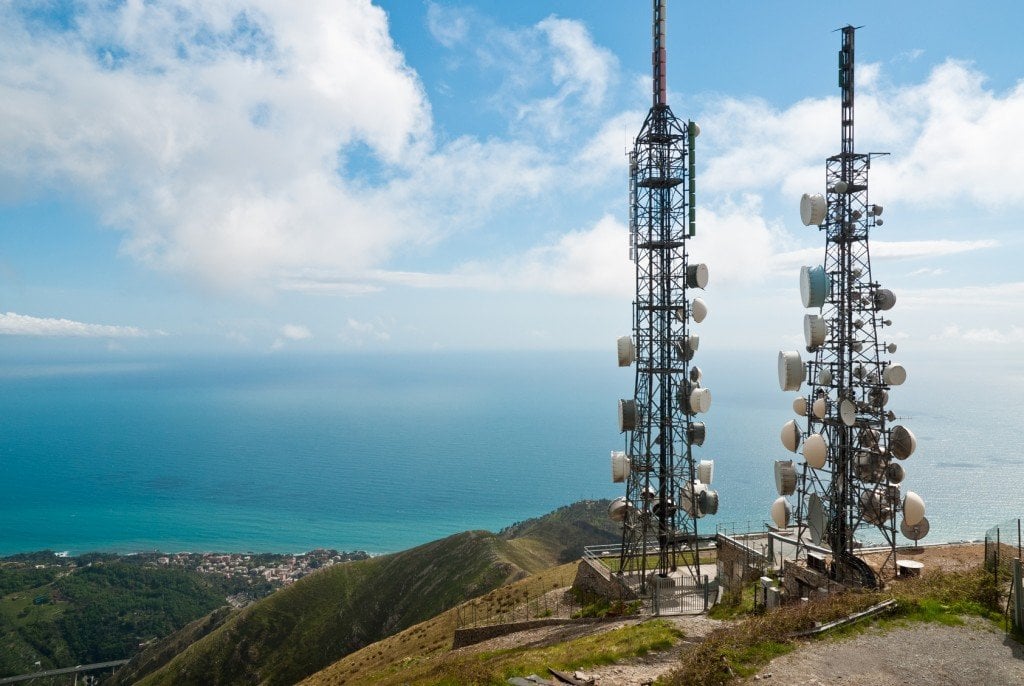
PHONE TOWERS AND CANCER - Phone towers are not the only thing we should be worried about; phones and routers are similar to miniature towers themselves. In fact, not only are they greater in number, but they also lie much closer to us than most cell phone towers do. Microwaves generating non-ionizing radiation are harmless, but concentrated microwaves can penetrate our skin and burn tissues; this is exactly how ovens work! Antennas are generally mounted on top of tall towers or buildings, which causes the power levels of the emitted radiation to dwindle as it descends toward the ground. At ground level, the emission is 1000 times lower than the limits for safe transmission set by the Federal Communication Commission (FCC). In other words, damage is highly unlikely. Second, the signals are not transmitted constantly, but intermittently.

mobile network tower
.................................................................................................................................
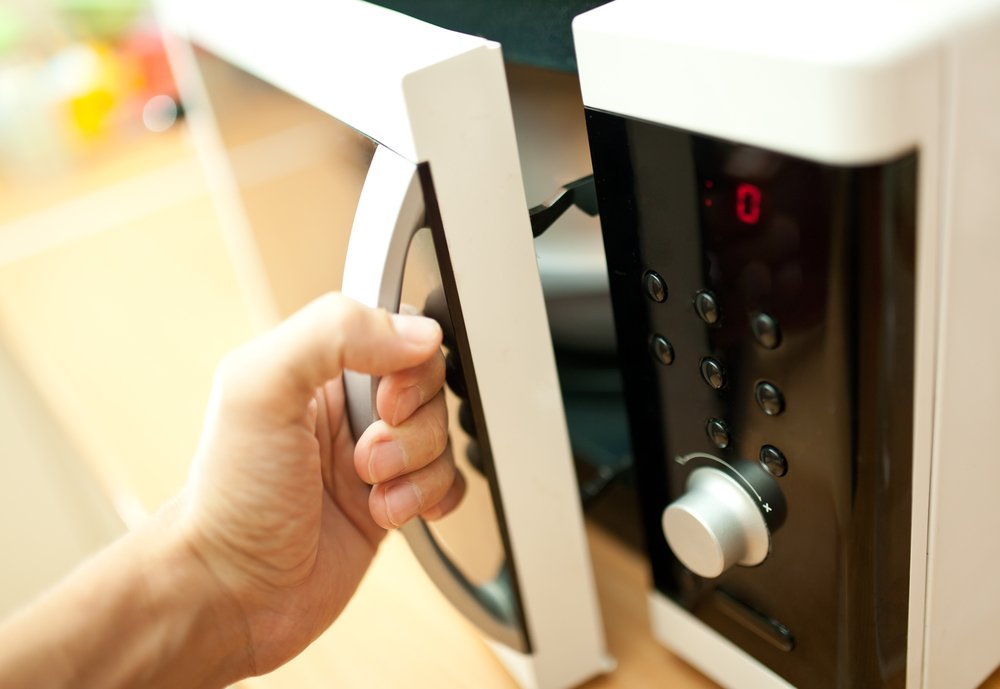
Microwave OvenPhone Towers And Cancer
Do Phone Towers Cause Cancer?
Akash Peshin  


Well, the answer isn’t an outright no. One can find some solace in the fact that the evidence for the case hasn’t been conclusive.
Right now, at this very moment, you are drowning in an ocean of electromagnetic radiation. Its waters are a myriad of radiation – radio waves, the sun’s light, infrared and all the rest.
Initially, the world was dominated by the sun’s light and infrared radiation, the harbingers of heat.
Now, however, with the construction of soaring phone towers and the ubiquity of smartphones, radio waves seem to be growing in domination.
The notion of whether phone towers pose a health risk has been speculated for decades.
The presence of towers and cell phones concerned people even at times when mobile devices were a luxury – complex technological equipment that only a few people carried.
The situation today seems to cause even more apprehension – cell phones are as common and necessary as footwear, every household has a router, and to accommodate both of these, radio towers are planted more often than trees.
Ionizing vs Non-ionizing radiation
Any type of fear is largely spurred by uncertainty, which is essentially a lack of information.
In this case, the fear of phone towers seems to be fueled by our lack of understanding of electromagnetic physics.
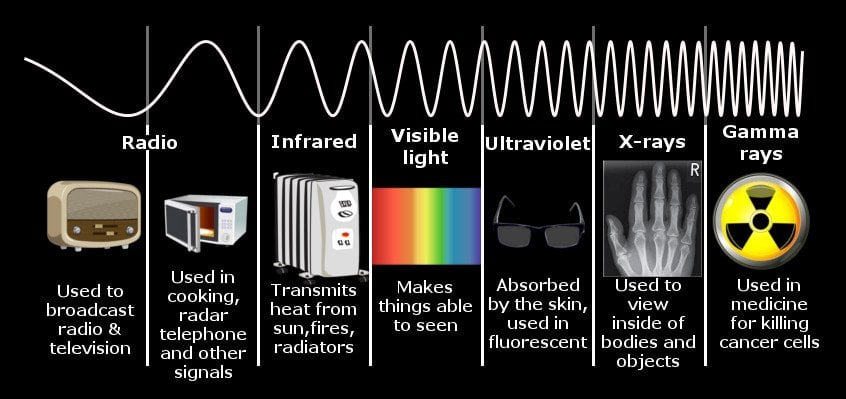
The seven types of electromagnetic radiation can be categorized into two classes based on their energies: ionizing and non-ionizing radiation
Ionizing radiation represents the high-frequency spectra of electromagnetic radiation, which includes high-frequency ultraviolet rays, X-rays and gamma rays – remnants of a nuclear aftermath.
Prolonged exposure to these emissions can cause cellular mutation, which can lead to various cancers. This is because, as the name suggests, they tend to ionize and destabilize molecules.
These high-frequency waves are so energetic that they interact with matter as if they are individual particles, colliding and kicking matter’s constituents out of their stable structures. 
Exposure to such an energetic radiation disrupts the structure of DNA, a major cause of cancer and other autoimmune diseases.
On the other hand, non-ionizing radiation represents the low-frequency spectra of electromagnetic radiation.
These include radio waves, microwaves, infrared and visible light.
Owing to their low frequencies, these waves travel with very low energies, rendering them non-ionizable — they are unable to knock particles away from stable molecular structures.
The fact that low-frequency waves aren’t energized enough to disrupt DNA molecules implies that the radio waves constantly emanating from phone towers are harmless.
Even so, could constant exposure to them, like an interference pattern, positively add up to threaten us with a fatal health risk?
The fear is most likely to be observed in parents who are apprehensive about radiation affecting the developing brains and bodies of children.
Are these apprehensions justified? Let’s see what the experts have to say.
They are “possibly carcinogenic”
Phone towers are not the only thing we should be worried about; phones and routers are similar to miniature towers themselves.
In fact, not only are they greater in number, but they also lie much closer to us than most cell phone towers do.
Microwaves generating non-ionizing radiation are harmless, but concentrated microwaves can penetrate our skin and burn tissues; this is exactly how ovens work!
So… should we be worried? Well, the answer isn’t an outright no.
One can find some solace in the fact that the evidence for the case hasn’t been conclusive.
This is reflected in the World Health Organization’s (WHO) International Agency for Research on Cancer (IARC), which deems radio transmission “possibly carcinogenic” — towers don’t seem to pose a threat, but we aren’t sure.
However, there are multiple reasons why they might be harmless.
First, antennas are generally mounted on top of tall towers or buildings, which causes the power levels of the emitted radiation to dwindle as it descends toward the ground.
At ground level, the emission is 1000 times lower than the limits for safe transmission set by the Federal Communication Commission (FCC).
In other words, damage is highly unlikely.
Second, the signals are not transmitted constantly, but intermittently.
However, could the radiation affect people who live in the vicinity of these towers, such as people living right below the roof or inhabitants of buildings whose windows face towers mounted on a shorter building directly adjacent to them?
The answer is still “No”. Cement, wood and other obstructions attenuate signals, thereby deterring any copious amounts of potentially harmful radiation.
The power levels are known to be at a maximum right next to the antenna, so access to the places with direct exposure might be limited.
Still, a lack of studies relating to residents living near a glut of towers and their likelihood of cancer hasn’t allowed any definitive conclusion to appear.

Akash Peshin is an Electronic Engineer from the University of Mumbai, India and a science writer at ScienceABC. Enamored with science ever since discovering a picture book about Saturn at the age of 7, he believes that what fundamentally fuels this passion is his curiosity and appetite for wonder.


mobile network tower
Phone towers on top of a hill.


The electromagnetic spectrum.

mir satellite
Mir, a Russian space station that operated in low Earth orbit from 1986 to 2001, as seen in orbit around Earth in a file picture.


Microwave Oven
A microwave oven. 


Alexander Graham Telephone in New york
Bell on the telephone in New York (calling Chicago) in 1892. Good ol’ times, huh?