Friday, January 31, 2020

WORST SEAT ON THE PLANE - At the very back of the plane, you're almost certainly near a lavatory. That means a line of frantic people will queue up next to you. Then, you'll be subjected to the constant sounds of toilet flushing and the accompanying smells that waft through the cabin. On most planes, the galley is located at the rear. That means you're dealing with flight attendants milling about, chatting, and often warming up various varieties of airline gruel, the odors of which may revoltingly mingle with scents from the lavatory. Turbulence often feels more violent at the back of the plane. If you have to make a tight connection once you're on the ground you may need to ask the flight attendants to see if they can escort you quickly to the front of the plane, or you'll lose vital minutes scrambling your way out. Another seat that most people seem to agree is the worst? The middle seat in just about any row. And you have neither the ease of movement of an aisle seat nor the view of a window seat.

crowded airplane
Although it might seem like almost any seat in economy is bad, some are actually worse than others. 
..................................................................................................................................................................
Worst Seat On The Plane
What's the Worst Seat on the Plane?
BY NATHAN CHANDLER 


What's the worst seat on a commercial airliner?
If you're flying in economy class, your gut answer might be, "All of them."
As airlines continually cram more seats onto their planes in an effort to maximize profits, customers literally feel the pinch.
Seat space is limited, knees are crunched, elbows become inconveniences, and reclining your seat may get you into trouble with the person behind you.
But in this hellish scenario, some seats really are worse than others.
For instance, the unfortunate travelers at the very rear of the craft are probably swirling through several of Dante's circles of hell.
Why the rear seats? Let us count the ways.
Experts point out that in the very last row, the seats don't fully recline (if they recline at all).
There's also a very good chance that you won't even have a window, meaning you can't stare at the clouds while you ponder your poor life choices.
But that's not all.
At the very back of the plane, you're almost certainly near a lavatory. That means a line of frantic people will queue up next to you.
Then, you'll be subjected to the constant sounds of toilet flushing and the accompanying smells that waft through the cabin.
On most planes, the galley is located at the rear.
That means you're dealing with flight attendants milling about, chatting, and often warming up various varieties of airline gruel, the odors of which may revoltingly mingle with scents from the lavatory.
If that isn't enough, turbulence often feels more violent at the back of the plane.
And if you have to make a tight connection once you're on the ground?
You may need to ask the flight attendants to see if they can escort you quickly to the front of the plane, or you'll lose vital minutes scrambling your way out.
Another seat that most people seem to agree is the worst? The middle seat in just about any row.
That's because you're two impolite seatmates away from spending the entire flight dreaming of death – yours or theirs.
And you have neither the ease of movement of an aisle seat nor the view of a window seat.
Put all this together and it seems that the middle seat in the last row of the plane is the very worst seat of all.
But there's still room to play devil's advocate for the last row.
Travel writer John Burfitt points out that no one can spend the entire flight kicking you in the back.
And if you get the "window" seat, you might well be able to tuck your head against the corner for naps.
It's also much less likely that you'll get bumped by the infernal drink cart.
Better yet? With many people actively avoiding the very back of the plane, you just may have the row all to yourself, so you might be able to stretch out.
Of course, airline executives already know which seats are better, and they may charge extra fees for seat selection.
Sometimes, the airlines will even disguise the fact that you're paying for preferred seating unless you opt out, meaning you have to be very careful when booking your ticket.
If you want to be extra-vigilant, before you select a seat, consult a website like SeatGuru that has seating maps for planes on every major airline and has the worst seats highlighted in red.
NOW THAT'S INTERESTING
Comfort is one thing, safety is another.
Some research shows that in plane crashes, rear middle seats tend to offer the best chance for survival.
However, before you rush to book that back seat, realize that other studies dispute those findings.
But one fact is inarguable – booking direct flights minimizes the number of times you'll take off and land, and those are the moments when most crashes occur.

Nathan Chandler, Contributing Writer
Nathan Chandler is a freelance writer and photographer based in Lincoln, Nebraska. He earned his B.A. from the University of Northern Iowa, and has researched and written about consumer tech for more than 10 years.
crowded airplane

Thursday, January 30, 2020

DIFFERENCE BETWEEN GASOLINE, KEROSENE, DIESEL, ETC. - Hydrocarbon molecules of different lengths have different properties and behaviors. The different chain lengths have progressively higher boiling points, so they can be separated out by distillation. The chains in the C5, C6 and C7 range are all very light, easily vaporized, clear liquids called naphthas. They are used as solvents -- dry cleaning fluids can be made from these liquids, as well as paint solvents. The chains from C7H16 through C11H24 are blended together and used for gasoline. Next is kerosene, in the C12 to C15 range, followed by diesel fuel and heavier fuel oils (like heating oil for houses). Next come the lubricating oils. These oils no longer vaporize in any way at normal temperatures. Oils go from very light (like 3-in-1 oil) through various thicknesses of motor oil through very thick gear oils and then semi-solid greases. Chains above the C20 range form solids, starting with paraffin wax, then tar and finally asphaltic bitumen, which is used to make asphalt roads.

­Diesel Engine Image Gallery
.................................................................................................................................................................
Crude Oil Products
What's the difference between gasoline, kerosene, diesel, etc.
HowStuffWorks

The "crude oil" pumped out­ of the ground is a black liquid called petroleum.
This liquid contains aliphatic hydrocarbons, or hydrocarbons composed of nothing­ but hydrogen and carbon. The carbon atoms link together in chains of different lengths.
It turns out that hydrocarbon molecules of different lengths have different properties and behaviors.
For example, a chain with just one carbon atom in it (CH4) is the lightest chain, known as methane. Methane is a gas so light that it floats like helium. As the chains get longer, they get heavier.
The first four chains -- CH4 (methane), C2H6 (ethane), C3H8 (propane) and C4H10 (butane) -- are all gases, and they boil at -161, -88, -­46 and -1 degree F, respectively (-107, -67, -43 and -18 degrees C).
The chains up through C18H32 or so are all liquids at room temperature, and the chains above C19 are all solids at room temperature.
So, what's the real chemical difference between gasoline, kerosene and diesel? It has to do with their boiling points. We'll get into that on the next page.­
Carbon Chains in Petroleum Products
The different chain lengths have progressively higher boiling points, so they can be separated out by distillation.
This is what happens in an oil refinery -- crude oil is heated and the different chains are pulled out by their vaporization temperatures.
The chains in the C5, C6 and C7 range are all very light, easily vaporized, clear liquids called naphthas
They are used as solvents -- dry cleaning fluids can be made from these liquids, as well as paint solvents and other quick-drying products.
The chains from C7H16 through C11H24 are blended together and used for gasoline.
All of them vaporize at temperatures below the boiling point of water. That's why if you spill gasoline on the ground it evaporates very quickly.
Next is kerosene, in the C12 to C15 range, followed by diesel fuel and heavier fuel oils (like heating oil for houses).
Next come the lubricating oils. These oils no longer vaporize in any way at normal temperatures. For example, engine oil can run all day at 250 degrees F (121 degrees C) without vaporizing at all.
Oils go from very light (like 3-in-1 oil) through various thicknesses of motor oil through very thick gear oils and then semi-solid greases. Vasoline falls in there as well.
Chains above the C20 range form solids, starting with paraffin wax, then tar and finally asphaltic bitumen, which is used to make asphalt roads.
All of these different substances come from crude oil. The only difference is the length of the carbon chains!

HowStuffWorks got its start in 1998 at a college professor's kitchen table. From there, we quickly grew into an award-winning source of unbiased, reliable, easy-to-understand answers and explanations of how the world actually works. Today, our writers, editors, podcasters and video hosts share all the things we're most excited to learn about with nearly 30 million visitors to the site each month. Learn more about our authors, and maybe even become one yourself. You can learn more about us in our FAQ.
HowStuffWorks creates great content that can live on just about any platform! Check us out in these cool new locations.
­Diesel Engine Image Gallery

ALKALINE WATER - Benefits and Risks - The “alkaline” in alkaline water refers to its pH level. The pH level is a number that measures how acidic or alkaline a substance is on a scale of 0 to 14. Some advocates of alkaline water believe it can neutralize the acid in your body. Normal drinking water generally has a neutral pH of 7. Alkaline water typically has a pH of 8 or 9. However, pH alone isn’t enough to impart substantial alkalinity to water. Alkaline water must also contain alkaline minerals and negative oxidation reduction potential (ORP). ORP is the ability of water to act as a pro- or antioxidant. The more negative the ORP value, the more antioxidizing it is. Many health professionals say there isn’t enough research to support the many health claims made by users and sellers. According to the Mayo Clinic, regular water is best for most people. They state that there is no scientific evidence that fully verifies the claims made by supporters of alkaline water.


..............................................................................................................................................................
Alkaline Water: Benefits and Risks
Medically reviewed by Katherine Marengo, LDN, RD, specialty in nutrition, on May 30, 2019 — Written by Rena Goldman and Rachel Nagelberg 


What is alkaline water?
You may have heard various health claims about alkaline water.
Some say it can help slow the aging process, regulate your body’s pH level, and prevent chronic diseases like cancer.
But what exactly is alkaline water, and why all the hype?
The “alkaline” in alkaline water refers to its pH level. The pH level is a number that measures how acidic or alkaline a substance is on a scale of 0 to 14.
For example, something with a pH of 1 would be very acidic and something with a pH of 13 would be very alkaline.
Alkaline water has a higher pH level than regular drinking water. Because of this, some advocates of alkaline water believe it can neutralize the acid in your body.
Normal drinking water generally has a neutral pH of 7. Alkaline water typically has a pH of 8 or 9. However, pH alone isn’t enough to impart substantial alkalinity to water.
Alkaline water must also contain alkaline minerals and negative oxidation reduction potential (ORP).
ORP is the ability of water to act as a pro- or antioxidant. The more negative the ORP value, the more antioxidizing it is.
Does it really work?
Alkaline water is somewhat controversial. Many health professionals say there isn’t enough research to support the many health claims made by users and sellers.
Differences in research findings may be related to the types of alkaline water studies.
According to the Mayo Clinic, regular water is best for most people. They state that there is no scientific evidence that fully verifies the claims made by supporters of alkaline water.
However, there are a few studies that suggest alkaline water might be helpful for certain conditions.
For example, a 2012 study found that drinking naturally carbonated artesian-well alkaline water with a pH of 8.8 may help deactivate pepsin, the main enzyme that causes acid reflux.
Another study suggested that drinking alkaline ionized water may have benefits for people with high blood pressure, diabetes, and high cholesterol.
A more recent study that included 100 people found a significant difference in whole blood viscosity after consuming high-pH water compared to regular water after a strenuous workout.
Viscosity is the direct measurement of how efficiently blood flows through the vessels.
Those who consumed high-pH water reduced viscosity by 6.3 percent compared to 3.36 percent with standard purified drinking water.
This means blood flowed more efficiently with alkaline water. This can increase oxygen delivery throughout out the body.
However, more research is needed beyond these small studies. In particular, research is needed to answer other claims made by alkaline water supporters.
Despite the lack of proven scientific research, proponents of alkaline water still believe in its proposed health benefits. These include:
anti-aging properties (via liquid antioxidants that absorb more quickly into the human body)
colon-cleansing properties
immune system support
hydration, skin health, and other detoxifying properties
weight loss
cancer resistance
They also argue that soft drinks, which are notoriously acidic, have very positive ORPs leading to many health problems, while properly ionized and alkalinized waters have highly negative ORPs.
Green tea is rich in antioxidants and has a slightly negative ORP.
Possible side effects and risks of alkaline water
Although alkaline drinking water is considered safe, it may produce negative side effects.
Some examples of negative side effects include the lowering of natural stomach acidity, which helps kill bacteria and expel other undesirable pathogens from entering your bloodstream.
Additionally, an overall excess of alkalinity in the body may cause gastrointestinal issues and skin irritations.
Too much alkalinity may also agitate the body’s normal pH, leading to metabolic alkalosis, a condition that may produce the following symptoms:
nausea
vomiting
hand tremors
muscle twitching
tingling in the extremities or face
confusion
Alkalosis can also cause a decrease in free calcium in the body, which can affect bone health.
However, the most common cause of hypocalcemia isn’t from drinking alkaline water, but from having an underactive parathyroid gland.
Natural or artificial?
Water that’s naturally alkaline occurs when water passes over rocks — like springs — and picks up minerals, which increase its alkaline level.
However, many people who drink alkaline water buy alkaline water that’s been through a chemical process called electrolysis.
This technique uses a product called an ionizer to raise the pH of regular water.
Makers of ionizers say that electricity is used to separate molecules in the water that are more acidic or more alkaline. The acidic water is then funneled out.
Still, some doctors and researchers say these claims aren’t backed by quality research.
The water quality of the original source, before ionization, is crucial to ensuring contaminants aren’t present in the drinking water.
Some scientists advise using reverse-osmosis to adequately purify water before connecting an alkaline ionizer, which can raise pH and add minerals.
A study published by the World Health Organization cautions against drinking water with low mineral content, which is created by reverse osmosis, distillation, and other methods (without additional mineralization) on a regular basis.
Where do you get it?
Alkaline water can be bought in many grocery or health food stores. It can also be found online.
Water ionizers are sold in many large chain stores as well.
You can also make your own at home. Even though lemon and lime juices are acidic, they contain minerals that can create alkaline byproducts once digested and metabolized.
Adding a squeeze of lemon or lime to a glass of water can make your water more alkaline as your body digests it.
Adding pH drops or baking soda is another way to make water more alkaline.
If water is properly filtered to remove contaminants, ionized and re-mineralized, or purchased from a quality source, there’s no evidence to suggest a limitation on how much alkaline water can be consumed daily.
Is it safe?
The issue that many health professionals have with alkaline water isn’t its safety, but rather the health claims that are made about it.
There isn’t enough scientific evidence to support the use of alkaline water as a treatment for any health condition. Medical experts warn against believing all the marketing claims.
Drinking natural alkaline water is generally considered safe, since it contains natural minerals.
However, you should use caution with artificial alkaline water, which likely contains fewer good minerals than its high pH would have you believe, and may contain contaminants.
Also keep in mind, drinking too much alkaline water may leave you deficient in minerals.

Katherine Marengo
LDN, RD
Registered Dietitian
Katherine Marengo is a clinical registered
dietitian. Katherine earned her undergraduate degree at Louisiana State University and completed her dietetic internship at Southern University in Baton Rouge. She specialized as a Certified Nutrition Support Dietitian (CNSD) in New Orleans at the No. 2 Level 1 trauma center in the nation. Since then, she’s been raising her three children while running a successful private business. She enjoys volunteering at her children’s school, travel, tennis, cooking, and quality time with family and friends.

Wednesday, January 29, 2020

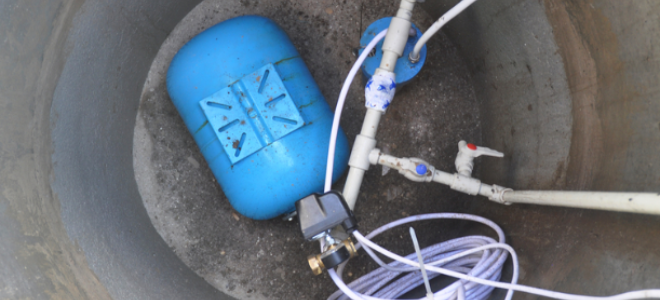
CLEANING AND MAINTAINING A WELL PRESSURE TANK - The well pressure tank does need to be cleaned and maintained on a regular basis. Before doing any type of work to the well pressure tank, it is important to make sure that the power is turned off. This should be done at the breaker box. Test the tank to make sure there isn't any power. Also, leave a note attached to the breaker letting others know that you are working on that item. Attach the garden hose to the drain. With the hose on the drain and the other end leading into a bucket or out a door, open the valve. The water should begin to immediately drain from the tank. Remove the air regulator. Remove access hatch. Wipe out the inside of the well pressure tank with a rag. If you cannot remove some of the build-ups, use a piece of steel wool. Scrub the calcium deposits off the pressure tank and pipes. Set the access hatchback onto the well pressure tank and tighten it down with the screws. Replace air regulator. Check condition of pipes.


................................................................................................................................................................
How to Clean and Maintain a Well Pressure Tank

By Tim Bossie 
Reviewed by Dawn Hammon


What You'll Need
In order to keep adequate pressure in a home with well water, a well pressure tank is used.
This well pressure tank is situated on the outside of the pump and stores water that is under pressure.
When a faucet is turned in the home, the water is then pushed into the pipes because of the pressure that is built up.
Like most mechanical items, the well pressure tank does need to be cleaned and maintained on a regular basis.
Here are some steps to take to complete this project yourself.
Step 1 - Turn off Power to Well Pressure Tank
Before doing any type of work to the well pressure tank, it is important to make sure that the power is turned off. This should be done at the breaker box.
Once you turn the breaker off, test the tank to make sure there isn't any power.
Also, leave a note attached to the breaker letting others know that you are working on that item.
Step 2 - Drain Water from Tank
Attach the garden hose to the drain at the bottom of the tank. It is usually located on the bottom edge of the tank.
Simply attach the hose to the drain by screwing it onto the faucet-like outlet.
With the hose on the drain and the other end leading into a bucket or out a door, open the valve. The water should begin to immediately drain from the tank.
Step 3 - Remove Air Regulator
Located at the top of your well pressure tank is the air regulator that shows how much pressure is in the tank.
This can be removed with the use of a pair of adjustable pliers. Carefully remove it so that you do not damage it.
Step 4 - Remove Access Hatch
Located on the top of the pressure tank are a few screws that hold the access panel to the pressure tank.
Loosen these screws and remove them. Lift the access hatch away from the tank and shine a flashlight into the tank.
Step 5 - Wipe Out Build Up
Anything with water is going to have some type of calcium build up within the internal workings of it.
Wipe out the inside of the well pressure tank with a rag. If you cannot remove some of the build-ups, use a piece of steel wool.
Scrub the calcium deposits off the pressure tank and pipes.
Step 6 - Replace Access Hatch
Set the access hatchback onto the well pressure tank and tighten it down with the screws.
Step 7 - Replace Air Regulator
If the regulator looks like it is not working correctly, test it with an air pressure tester. If needed, replace it with a new one.
Wrap some plumber's teflon tape around the threads and screw into the housing. Tighten it down with the pliers.
Step 8 - Check Condition of Pipes
Use a flashlight and look closely at the condition of the pipes going into the well pressure tank and out from it.
Check for any signs of cracking or leaks. If you notice any, then repair the pipes with new sections or a clamp.
Turn on the breaker and let the pump fill up with water and air pressure.

Tim Bossie is a contributing writer for DoItYourself.com. He is a seasoned web writer and researcher with experience working on a wide range of home improvement issues, and especially enjoys learning about plumbing, car repair, and door construction.
Dawn Hammon has thrived in freelance writing and editor roles for nearly a decade. She has lived, worked, and attended school in Oregon for many years. Dawn currently spends her days convincing her children she is still smarter than them while creating new experiences with her husband of 24 years. 
Her multiple interests have led her to frequently undergo home improvement projects. She enjoys sharing the hard-earned knowledge that comes with it with the audience of DoItYourself.com. Dawn and her sister make up a power-tool loving duo that teaches classes to local women with the goal of empowering them to tackle their fears and become comfortable with power tools.
Tapping into her enthusiasm for saving money and devotion to sustainable practices, Dawn has recently launched a passion project aimed at connecting eco-friendly products and socially-responsible companies with consumers interested in making conscientious purchases, better informing themselves about products on the market, and taking a stand in favor of helping to save the planet.
When she is not providing stellar online content for local, national, and international businesses or trolling the internet for organic cotton clothing, you might find her backpacking nearby hills and valleys, traveling to remote parts of the globe, or expanding her vocabulary in a competitive game of Scrabble.