Monday, March 2, 2020

DEFINITIONS IN WASTE WATER TREATMENT - Sludge Volume Index (SVI-TEST) is the measure of the settleability and compatibility of sludge and is made from a laboratory column setting test. The sludge volume index is the volume in mm occupied by 1 gm of sludge after it has settled for a specified period of time’ generally ranging from 20 min to 1 or 2 hr in a 1 – or 2-l cylinder. The activated sludge forms the underflow of the final setting tanks should be returned to the inlet of the aeration tanks at a rate sufficient to maintain the MLSS concentration at the design value. The flow are needed for return-sludge is determined form the incoming sewage flow rate and the concentration at which the sludge is withdrawn form the final setting tanks. SEDIMENTATION is the removal of solid particles form a suspension by settling under gravity. CLARIFICATION is a similar term which refers specifically to the function of a sedimentation removal. THICKENING means the separation of water from suspended solids.

Image result for images Definitions in Waste Water Treatment
,,,,,,,,,,,,,,,,,,,,,,,,,,,,,,,,,,,,,,,,,,,,,,,,,,,,,,,,,,,,,,,,,,,,,,,,,,,,,,,,,,,,,,,,,,,,,,,,,,,,,,,,,,,,,,,,,,,,,,,,,,,,,,,,,,,,,,,,,,,,,,,,,,,,,,,,,
Image result for images Definitions in Waste Water Treatment
Definitions in Waste Water Treatment
By: Haseeb Jamal 


Sludge Volume Index (SVI-TEST)
It is the measure of the settleability and compatibility of sludge and is made from a laboratory column setting test.
Image result for images Definitions in Waste Water TreatmentDefinition
The sludge volume index is defined as ‘the volume in mm occupied by 1 gm of sludge after it has settled for a specified period of time’ generally ranging from 20 min to 1 or 2 hr in a 1 – or 2-l cylinder.
One-half hour is most common setting time allowed to the mixed liquor to settle for 30 min. (larger cylinder is desirable to minimize bridging of sludge floe and war effects).
Take the reading let Vs is the settled volume of sludge (ml/l) in 30 min.
* If SVI is 50 - 150 ml/mg, the sludge settle ability is Good.
Return Activated Sludge System:
1.The activated sludge forms the underflow of the final setting tanks should be returned to the inlet of the aeration tanks at a rate sufficient to maintain the MLSS concentration at the design value.
2.The flow are needed for return-sludge is determined form the incoming sewage flow rate and the concentration at which the sludge is withdrawn form the final setting tanks.
Hence a simple measure of the underflow concentration forms the setting tanks is required.
The parameter conventionally employed for this purpose the sludge volume index, SVI which is defined as 4 the volume occupied by sludge containing 1.0g of sludge soiled (dry weight) after 30 min setting and thus it has ht units ml/g.
Sometimes represented as SDI i.e sludge density index. Once the SVI and operating MLSS concentration (x) is known, the required rate of activated sludge return can be determined
R = 100 / [ 106/ (x) (SVI) -1] where r = return sludge flow rate as a % age of incoming sewage flow.
SEDIMENTATION:
It is the removal of solid particles form a suspension by settling under gravity.
CLARIFICATION:
It is a similar term which refers specifically to the function of a sedimentation removal.
THICKENING:
It means the separation of water from Suspended Solids where R = return sludge flow rate (ML/D) for Q in ML/D)
SURFACE GEOMETRY OF FINAL SEDIMENTATION TANKS:
VARIATION OF THE ACTIVATED SLUDGE PROCESS:
1.  Activated sludge was introduced in 1941 and has undergone many variations and adaptations.
2.  The main objective of many modifications has been to increase the loading capacity of the basic plug flow activated sludge plant by provision of optimum condition design parameters for different variations are summarized in table.
It is worthy of note that 5 modifications tapered aeration step aeration the CMAS process, the pure oxygen system and the deep shaft process all aim at either the improvement of oxygen transfer efficiency t the efficient distribution of available oxygen to match demand.
A flow sheet of most of the commonly used variations is similar to that of CAS (Conventional Activated Sludge).
CONVENTIONAL ACTIVATED SLUDGE:
Volumetric loading = kg of BOD
                                      m3-d
Aerial loading rate = gm of BOD
                                      m3-d
Td = V/Q in days and greater than 5 days.
ALGAL-BACTERIAL SYMBIOSIS:
The combined and mutually- been facial action of algae and bacteria in this process is called algal-bacterial symbioses.
·            Shock loading (CSTR)
·            BODu
Aerated Lagoons:
Aerate lagoons are activated sludge units operated without sludge return.
Historically they were developed from waste stabilization ponds in temperate climate where mechanical aeration was used to supplement the algal oxygen supply in winter.
It was found, however that soon after the aerations were put into operation the algal disappeared and the microbial flora resembled that of activated sludge.
Aerated lagoons were now usually design as completely mixed not-return activated sludge units.
Floating aerates are most commonly used to supply the necessary oxygen and mixing power.
Sludge Treatment:
Anaerobic sludge treatment cell Primary Sedimentation Tank and Secondary Sedimentation Tank are basically organic these can be treated to aerobic.
·      Anaerobic ponds and septic tank are for waste water treatment.
·      Sludge treatment = Anaerobic sludge treatment.
COLD DIGESTION:
·         Two stage digestion up
·         High rate digestion up
·         Fixed film processes. A swm zone
SLUDGE DIGESTION:
SLUDGE: the concentrated impurities settled at the bottom of the flower bed of sedimentation tanks.
Digestion:
To decompose or breakdown by heat and moisture or chemical action. (to invent food equable forms)
Sludge treatment:
Anaerobic digestion it is defined as ‘it is the use of microbial organisms in the absence of oxygen for the stabilization of oxygen materials by conversion to mean and inure produce including CO2.
Organic matter + H2O (amoebas) CH4+ CO2 + NH3+ H2S + heat
Benefices of anaerobic digestion. Types of anabolic detectors. It’s of two types:
·      Conventional (stranded) or low-rate digester or cold digester.
·      High rate digesters / two stage digester are characterized by continuous miring except at time of sludge with draw.

Haseeb Jamal. I am a Civil Engineer, graduated from University of Engineering and Technology, Peshawar, Pakistan in 2010. I also have a PG-Diploma in Disaster Management and MS in Urban Infrastructure Engineering (In Progress). My expertise include civil related softwares like AutoCAD, SAP2000, MS Project, Primavera, MS Office and GIS. My technical skills include project management, monitoring and evaluation, structural assessment, disaster risk management, Quantity survey, land survey, material testing, site management and technical writing. I am trained in writing project progress reports as well as proposals and concept papers. I have also received advanced training on surveying, proposal writing, Monitoring and Evaluation of projects as well as organizations.I have worked as Project Engineer at National Research and Development Foundation, Peshawar and CENCON Associates. I also worked with Spectra Engineering Solutions as Senior Civil Engineer in monitoring of World Bank and UNDP funded projects all over Khyber Pakhtunkhwa and FATA. Currently, I am working as Deputy Manager Development at NayaTel, Peshawar.
Image result for images Definitions in Waste Water Treatment

Sunday, March 1, 2020

ALLERGIES AT HOME - Is Your Water Quality to Blame? - Municipalities add chlorine and other chemical purifiers to their water systems to make tap water safe for drinking and bathing, but what’s not as widely understood is how some of these chemicals can disrupt our body’s hormones. These purifying chemicals can interfere with our immune systems. When your body’s immune system identifies an allergen like dust, peanuts or shellfish as a potential danger, it will release antibodies to attack the foreign substance, which is what leads to everything from annoying seasonal allergy symptoms like nasal congestion to life-threatening conditions like anaphylaxis. What many allergy sufferers may not realize is that their body might be identifying the chemicals in their home’s tap water as potential attackers. Chlorine, which is primarily added to water to kill bacteria, could exacerbate allergy and asthma symptoms. In fact, research suggests that even the fumes from a steamy shower in chlorine-treated water could trigger an asthma attack.

Water Quality Allergens
...................................................................................................................................................................
Water Quality AllergensAllergies at Home
Is Your Water Quality to Blame?
Jennifer L. Nelson


From peanuts to pollen, millions of people worldwide suffer from allergies, but what they may not realize is that their drinking water could be partially to blame for their symptoms.
Most of us probably don’t want to think about what could be lurking in the tap water that we drink, cook with and bathe in, but studies have shown that certain allergies and respiratory conditions like asthma might be linked to chemicals that are commonly used to clean tap water.
How Tap Water Affects Your Allergy Symptoms
It’s widely known that municipalities add chlorine and other chemical purifiers to their water systems to make tap water safe for drinking and bathing, but what’s not as widely understood is how some of these chemicals can disrupt our body’s hormones.
However, researchers are finding that these purifying chemicals can interfere with our immune systems much like pet dander can cause hives in someone with animal allergies.
When your body’s immune system identifies an allergen like dust, peanuts or shellfish as a potential danger, it will release antibodies to attack the foreign substance, which is what leads to everything from annoying seasonal allergy symptoms like nasal congestion to life-threatening conditions like anaphylaxis.
Though it is possible to be allergic to water itself — an incredibly rare condition known as aquagenic urticaria — what many allergy sufferers may not realize is that their body might be identifying the chemicals in their home’s tap water as potential attackers.
Which Chemicals Are to Blame?
A study conducted in Belgium concluded that chlorine, which is primarily added to water to kill bacteria, could exacerbate allergy and asthma symptoms.
In fact, research suggests that even the fumes from a steamy shower in chlorine-treated water could trigger an asthma attack.
Other research has linked chlorine exposure to conditions ranging from skin and eye irritation to respiratory issues like bronchitis.
In recent years, another type of water purifying chemical that has been called into question is known as dichlorophenol.
Also used to clean drinking water, dichlorophenol is often used to make pesticides — meaning it might just be lingering on some of your favorite seasonal fruits and vegetables this summer.
The link between dichlorophenol and allergies is continuing to be established; one study tested more than 10,000 Americans and found that those with the highest levels of dichlorophenol in their urine were more likely to have food allergies, which currently affect some 15 million Americans.
But the chlorine that could be in your water at home isn’t solely to blame for any adverse allergy symptoms.
Fluoride has also been added to community water supplies for years due to its ability to fight tooth decay, but research has been done that suggests both adults and children who suffer from asthma and allergy symptoms may have negative reactions to fluoride.
How to Filter Your Tap Water to Improve Symptoms
If there’s someone with allergies or asthma in your home, experts agree you should consider filtering your tap water.
The majority of home water filters remove chlorine by relying on a semi-permeable membrane and a process known as reverse osmosis filtration, which also successfully removes pesticides in addition to lead, calcium, and other hard water minerals.
Reverse osmosis filters remove virtually all of the chemicals typically found in tap water, and have proven particularly effective in removing chemicals like fluoride from your drinking and bathing water.
You can also take your home’s water filtration a step further and invest in a shower filter to prevent absorbing the chemicals through your skin, but these filters may not eliminate all chemicals in the water and will likely have to be replaced on a fairly regular basis.
Alternatively, there are whole house filters on the market that are designed to remove all chemicals, including chlorine and fluoride, from every faucet in your home.
When installed on all of your kitchen and bathroom faucets, these filters can provide completely purified drinking and bath water throughout your home.
5 Water Quality-Related Tips To Relieve Allergies
Still concerned about how traces of chemicals like chlorine in your tap water might be affecting your existing allergies or asthma symptoms?
Here are some other water quality-related tips for allergy and asthma sufferers.
Keep Your Showers Short (and Cool)
Long showers in hot water can lead to increased absorption of any chemicals that might be lingering in your home’s water supply.
Allergy and asthma sufferers should consider limiting the amount of time spent in the shower, using lukewarm water, and turning off the water entirely while lathering or shaving.
Choose Bottled Water
For those who are concerned about chemicals in tap water, investing in water purifiers for your faucets will likely be the most economical option in the long run. However, bottled water can provide a safe alternative for drinking water when you’re on the go.
Opt For Organic
Even if you install a top-of-the-line faucet water filter, that doesn’t mean the produce you eat wasn’t previously treated with the very chemicals or pesticides you’re trying to avoid.
Choose organic fruits and vegetables whenever possible, and be sure to thoroughly rinse all produce with filtered water prior to consuming.
Limit Pool Time
Public pools are dependent on increased levels of chemicals like chlorine in order to kill bacteria. So if you or a loved one has severe allergies or asthma, you might want to limit time spent at the community pool.
You can also seek out pools — or treat your own backyard pool — with non-chlorine chemical alternatives like bromine or processes like ionization, which relies on copper and silver ions to keep the water clean.
Use Distilled Water in Humidifiers
Longtime asthma and allergy sufferers probably already know that humidity in that air can improve their breathing.
But if you’re relying on a humidifier to sleep comfortably through the night, you might want to fill it with distilled water.
The minerals commonly found in tap water can form deposits that ultimately promote the growth of bacteria — which, of course, can then be released into the air and potentially worsen your symptoms.
By following the above tips, you can better protect yourself and your family from the allergies caused by poor water quality.
With a little preparation and care, you can fight back against the allergens that lace our water sources, promoting a healthier home.

AllergyAndAir.com specializes in affordable, practical, and innovative products to improve air quality and regulate the temperature in your home.
At AllergyAndAir.com we strive to make online shopping quick, easy and affordable. Our catalog is always growing and we carry the latest selection of products to safeguard your home from allergens, mold, moisture, and more. With three distribution centers across the United States, we can deliver faster than the competition. We have a dedicated call center with product experts to answer your questions.
Water Quality Allergens

TYPES OF BRICKS IN MASONRY CONSTRUCTION - The Sun-dried or unburnt bricks are less durable and used for temporary structures. The sun-dried bricks are not much strong and also less water and fire resistance. Burnt bricks are widely used brick but during manufacturing some bricks are damaged. Fly ash bricks are made using fly ash and water. These bricks have high concentration of calcium oxide which is used in cement production and due to this it is called self-cementing brick. Fly ash bricks are better than clay bricks as they have high fire insulation, high strength, uniform sizes for better joints and plaster, lower water penetration and does not require soaking in water before masonry construction fly ash brick machine manufacturers. Concrete bricks are manufactured using cement, sand, coarse aggregates and water. These bricks are manufactured in various required sizes. The concrete bricks are used in construction of masonry and framed buildings, facades, fences and also provide an excellent look of building. Engineering bricks are commonly used for basements where chemical and water attacks are prevalent and for damp proof courses.


.............................................................................................................................................................. 
Fly Ash BricksTypes of Bricks in Masonry Construction
engineeringinsider.org


There are different types of bricks are used in masonry construction materials as clay, concrete, lime, fly ash etc.
Brick is an important construction material which comes in rectangular shape made from clay.
The brick is as popular in older days and as modern days as it has low cost and durability.
Types of Bricks used in Masonry Construction
(1) Sun-Dried or Unburnt bricks
(2) Burnt bricks
Sun-Dried or Unburnt Clay Bricks
The Sun-dried or unburnt bricks are less durable and used for temporary structures. There are three mainly three steps for manufactures are clay, moulding and drying.
After moulding process the bricks are left to dry from direct sunlight.
The sun-dried bricks are not much strong and also less water and fire resistance. These bricks are not suitable for permanent structures.
Burnt Clay Bricks
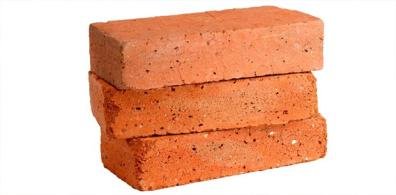
Burnt bricks are widely used brick but during manufacturing some bricks are damaged. These bricks are divided into four types
First class brick
Second class brick
Third class brick
Fourth class brick
First Class Brick
Fist class bricks have good quality than other types of bricks. These bricks are moulded into table-moulding and burnt in large kilns.
As the result these bricks have standard shapes, sharp edges and have smooth surface.
These bricks are more durable and have more strength.
The first class bricks are used for permanent structures. These bricks are costlier than other classes due to good qualities.
Second Class Brick
As the name suggests these bricks are moderate quality bricks moulded with ground-moulding process.
These bricks are burnt in kilns. As the ground moulding process is used they don’t have smooth surface and edges.
The shape of bricks is also uneven as it mould on ground. These bricks have strength and durability. For smooth finishing the plastering is required.
Third Class Brick
Third class bricks are used in temporary structures as they have poor quality. These bricks are not suitable for rainy areas.
These bricks are ground-moulded and burnt in clamps. The bricks have rough surface and edges are not proper.
Fourth Class Bricks
Fourth class bricks have poor quality and not used for construction. These bricks are crushed and used as aggregates for making of concrete.
The bricks which are over-burnt and due to this these bricks are brittle. These bricks are easily breakable and not suitable for construction.
Fly Ash Bricks
Fly ash bricks are made using fly ash and water.
The fly ash bricks have better properties than clay bricks and resistant to freeze thaw cycles.
Fly Ash Bricks
These bricks have high concentration of calcium oxide which is used in cement production and due to this it is called self-cementing brick.
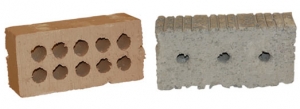
The fly ash bricks are lightweight and it reduces the weight of structure fly ash brick making machine.
Fly ash bricks are better than clay bricks as they have high fire insulation, high strength, uniform sizes for better joints and plaster, lower water penetration and does not require soaking in water before masonry construction fly ash brick machine manufacturers.
Concrete Bricks
Concrete bricks are manufactured using cement, sand, coarse aggregates and water. These bricks are manufactured in various required sizes.
Concrete bricks have advantages over clay bricks as they can be manufacture at construction site, required less mortar, can produce in different colours as adding pigments during production concrete block making machine.
The concrete bricks are used in construction of masonry and framed buildings, facades, fences and also provide an excellent look of building.
Engineering Bricks
Engineering bricks have high compressive strength and used for applications like strength, frost resistance, acid resistance, low porosity is required.
Engineering bricks are commonly used for basements where chemical and water attacks are prevalent and for damp proof courses.
Sand Lime or Calcium Silicate Bricks
A calcium silicate brick is made from sand and lime and it is known as sand lime bricks.
Sand lime bricks are used for various purposes in construction industries like decoration works in building, masonry works etc.
Quality of Bricks at Construction Site
To build any structure, the material is quality should be good. Here is the list for how good bricks are identified at construction site.
– The colour of bricks should be bright and uniform.
– The bricks should be well burned and have smooth surface and sharp edges.
– Thermal conductivity should be less and also sound proof.
– Bricks should not absorb more than 20% of weight when soak in water.
– When two bricks impinge together, the ringing sound must be produce.
– The brick structure must be uniform.
– Bricks should not be break when dropped from 1m height.
– There should be not any scratch when scratch with finger nail.
– There should not be any white deposit on brick after soak in water for 24 hours.
Properties of Bricks
Below properties should be in brick for construction use.
– Hardness
– Compressive Strength
– Absorption
Hardness of Bricks
A brick has resistance against abrasion. This hardness of brick gives permanent nature of brick structure. Due to this property bricks are not damaged by scraping.
Compressive strength of Bricks
Compressive strength or crushing strength is property of brick which means the load carried by brick per unit area.
As per rule of BIS minimum compressive strength of brick should be 3.5N/mm2. The crushing strength of bricks reduced when they are soaked in water.
Crushing strength of Bricks    Grades
7 – 14 N/mm2                        Class A
>14N/mm2                            Class AA
Absorption of Bricks
Bricks generally absorb water but in limit. The absorption limit percentage by weight for different types is in below table.
Class of Bricks   Water Absorption % by weight
Heavy duty bricks (special made) Only 5%
First class                                  20%
Second class                              22%
Third class                                 25%
Use of different types of Brick
– 1st and 2nd class bricks are used in construction of building, tunnels, pitching works etc.
– 3rd class and unburnt bricks are used in temporary structures.
– 4th class bricks are used as aggregate for making concrete.
– Bricks are also used to enhance the beauty of structures.