Showing posts with label Disinfectants. Show all posts

Saturday, January 18, 2020

HAIR LIGHTENING WITH HYDROGEN PEROXIDE - Hydrogen peroxide can be used as a hair lightener. While it’s generally safe to use hydrogen peroxide on your skin and hair, it can cause skin, lung, and eye irritation. Hair dye with hydrogen peroxide is considered permanent dye, which means that it will only go away as new hair grows. This is because hydrogen peroxide works in the hair cortex, the innermost part of the hair that holds the pigment that gives hair its color. Although you can use hydrogen peroxide on your skin as a disinfectant, it can irritate your skin if you use too much. Hydrogen peroxide is a type of oxidative hair dye. This means it causes a chemical reaction in the hair cortex that leads to the new hair color. While oxidative dyes are more permanent than other dyes, this also means they cause oxidative stress for your hair. This stress ages your hair and can cause hair loss.

Image result for images hydrogen peroxide and hair
...........................................................................................................................................................
Image result for images hydrogen peroxide and hair Hair Lightening With Hydrogen Peroxide
Is Lightening Your Hair with Hydrogen Peroxide Damaging?
Healthline


Hydrogen peroxide is a colorless liquid chemical. Some small amounts occur naturally, but the hydrogen peroxide you find in stores or salons is synthesized in labs.
Image result for images hydrogen peroxide and hairHydrogen peroxide is sold in drugstores and grocery stores at a low concentration, usually at 3 to 9 percent.
It can be used as a disinfectant and as bleach, including as a hair lightener. Because of this, hydrogen peroxide is an ingredient in many blonde hair dyes.
While it’s generally safe to use hydrogen peroxide on your skin and hair, it can cause skin, lung, and eye irritation.
Hydrogen peroxide to lighten hair
Hydrogen peroxide is commonly used to lighten hair. It may be used on its own or in other blonde dyes.
Hair dye with hydrogen peroxide is considered permanent dye, which means that it will only go away as new hair grows.
This is because hydrogen peroxide works in the hair cortex, the innermost part of the hair that holds the pigment that gives hair its color.
Hydrogen-peroxide-based dyes alone can help take your hair to a light blonde color.
These dyes are also often used to turn dark hair a lighter color before adding another color of dye. It can turn dark brown hair red, for example.
Hydrogen peroxide and hair damage
Hydrogen peroxide is generally safe for your hair, but it can cause some issues, even in the concentrations you can buy for home use.
Skin irritation
Image result for images hydrogen peroxide and hairAlthough you can use hydrogen peroxide on your skin as a disinfectant, it can irritate your skin if you use too much.
When dyeing your hair with hydrogen peroxide, you might experience irritation on your scalp and around your hairline.
You can help prevent irritation by making sure your hairline is protected by petroleum jelly and clean cotton, and keeping the hydrogen peroxide in your hair for as little time as possible.
Damage to the hair cuticle
The cuticle is the outer layer of your hair. It protects and helps strengthen it.
Lightening your hair with hydrogen peroxide can damage the cuticle, because the hydrogen peroxide needs to enter through your hair cuticle to dye the hair.
Cuticle damage can lead to breakage, split ends, and frizz.
Deep conditioner treatments will help reduce damage to the hair cuticle.
Hair loss
Hydrogen peroxide is a type of oxidative hair dye. This means it causes a chemical reaction in the hair cortex that leads to the new hair color.
While oxidative dyes are more permanent than other dyes, this also means they cause oxidative stress for your hair. This stress ages your hair and can cause hair loss.
Breakage from damage to the hair cuticle can also lead to hair loss.
How to lighten hair with hydrogen peroxide
Image result for images hydrogen peroxide and hairThe safest way to lighten your hair is at a salon. However, you can safely use hydrogen peroxide to lighten your hair at home — you just need to be careful.
Make sure you dilute the hydrogen peroxide, protect the skin around your hairline, and go slowly to get the right color without irritating your skin.
Dyes containing hydrogen peroxide
Many permanent dyes you can buy in a drugstore include hydrogen peroxide. These dyes use hydrogen peroxide to strip your natural hair color and make the dye last longer.
Hydrogen peroxide and baking soda
Baking soda is an alkaline, which helps hydrogen peroxide work better in two ways.
First, it opens up the cuticle to allow the hydrogen peroxide to get into the hair cortex more easily. Second, when mixed with hydrogen peroxide, it helps break down the melanin in hair.
To lighten your hair with hydrogen peroxide and baking soda, mix the two ingredients into a paste, and spread it evenly throughout your hair.
Leave it on for 15 minutes to an hour, depending on how dark your hair is, and then rinse it out with cold water.
Hydrogen peroxide alone
Image result for images hydrogen peroxide and hairThe first step to dyeing your hair with hydrogen peroxide is to protect your skin. Cover your hairline with petroleum jelly and a cotton strip (if you have one), and wear gloves. Then you’re ready to dye.
Make a mix of half hydrogen peroxide and half water. Put it in a spray bottle and spray a small test piece first. This is to make sure that you don’t have an allergic reaction and you’re happy with the resulting color.
Once you’re satisfied with the color, cover your neck and shoulders with a clean towel you don’t mind staining.
Then saturate your hair with the hydrogen peroxide solution and leave it on for 15 minutes to an hour. Rinse your hair well.
At a salon
A trained hairstylist and colorist can use hydrogen peroxide in a salon to lighten your hair. They’ll make sure to match the final color to your skin tone and can add highlights if necessary.
Alternative hair-lightening products
Image result for images hydrogen peroxide and hairIf you’re worried about the safety of hydrogen peroxide or don’t want to make your hair too blonde, there are other ways to lighten your hair. These include:
Lemon juice
Lemon juice works best on dark blonde or light brown hair.
Combine lemon juice with water and saturate your hair with the mixture. Let your hair dry for a few hours — preferably in the sun — and then rinse it out.
Apple cider vinegar
Mix one part apple cider vinegar with six parts water and spray it all over your hair.
Leave the mixture on for 15 to 20 minutes, and then rinse thoroughly. This color change might be more subtle than some of the others.
Chamomile
Brew a strong cup of chamomile tea and saturate your hair. This lightens your hair gradually, but should work for most hair colors. Chamomile can also brighten dull blonde hair.
Cinnamon
Cinnamon is a great way to bring out red and blonde highlights in your hair.
Just mix cinnamon powder with water to form a paste, and it spread throughout your hair. Cover your hair, leave the paste on for several hours, and then rinse.
Honey
Mix honey with warm water and spread it throughout your hair. Wrap up your hair and leave the mixture on for several hours.
You can even leave the honey on as long as overnight, since it only lightens your hair slightly. Then rinse it out.
The takeaway
Hydrogen peroxide and dyes containing it are a safe way to lighten your hair.
However, it’s best used in a salon to minimize hair damage and ensure you get the right color.

Healthline covers all facets of physical and mental health openly and objectively because we’re here for the whole person — for your whole life. And because people come to us with unique challenges we listen closely and put empathy first across our organization. In everything from our personal perspectives to our commitment to inclusivity, you’ll see that we feel with you. 
We hope you tap into all of Healthline’s resources — from our health and wellness library and newsletters to our apps, podcasts, and communities.
Image result for images hydrogen peroxide and hair
Image result for images hydrogen peroxide and hairImage result for images hydrogen peroxide and hairImage result for images hydrogen peroxide and hair
Image result for images hydrogen peroxide and hair

Sunday, December 8, 2019

WATER PURIFYING CHEMICALS - Drinking untreated water, which can contain various pathogens, can lead to illness ranging from mild gastrointestinal symptoms like nausea, vomiting, and diarrhea to more severe illnesses like hepatitis, meningitis, and even death. Water purifying chemicals can be added to untreated water to kill harmful microorganisms (protozoa, bacteria, and viruses). They can be useful following a natural disaster that disturbs the supply of drinkable water or for people who are camping, hiking, or find themselves in remote areas where safe drinking water is not readily available. Water purifying chemicals available today are most commonly in the form of tablets, but they are also available in liquid drops or packaged powder. They contain either chlorine or iodine. These disinfectants act directly on harmful organisms to destroy them.


...........................................................................................................................................................
Water Purifying Chemicals
Are Water Purifying Chemicals Safe?
Poison Control


The Bottom Line
Portable water purification chemicals are available in tablet, liquid, and powder form and contain the disinfectants iodine or chlorine.
They can be added to untreated water to kill harmful microorganisms and make the water safer to drink. Although generally safe, they can easily be mistaken for medications or candy.
The Full Story
Perhaps you are an adventurer hiking in the wilderness and realize you are out of bottled water.
There is a stream up ahead; you are quite thirsty and the water looks clean.
Or perhaps your town was just hit hard by a hurricane, disrupting and contaminating your water supply.
In situations like these, it is risky to drink untreated water. Portable water purifying products can come in handy and are marketed for use in these kinds of situations.
Drinking untreated water, which can contain various pathogens, can lead to illness ranging from mild gastrointestinal symptoms like nausea, vomiting, and diarrhea to more severe illnesses like hepatitis, meningitis, and even death.
According to the Waterborne Disease and Outbreak Surveillance System (WBDOSS), in the United States during 2013-2014, 42 water-associated outbreaks were reported. These outbreaks resulted in at least 1006 cases of illness, 124 hospitalizations, and 13 deaths.
Water purifying chemicals can be added to untreated water to kill harmful microorganisms (protozoa, bacteria, and viruses) and make the water safer to drink.
They can be useful following a natural disaster that disturbs the supply of drinkable water or for people who are camping, hiking, or find themselves in remote areas where safe drinking water is not readily available.
Water purifying chemicals available today are most commonly in the form of tablets, but they are also available in liquid drops or packaged powder. They contain either chlorine or iodine.
Whether liquid, tablets, or powder, water purifying chemicals are added directly to untreated water, releasing the chlorine or iodine.
These disinfectants act directly on harmful organisms to destroy them.
Water purifying chemicals vary in their shelf-life, length of time required for them to fully dissolve and be effective, and the concentration of the active ingredient.
How well each chemical is able to destroy harmful pathogens and make untreated water truly safe to drink depends on multiple factors like the temperature, pH, cloudiness of the water, and how long the chemical is left to dissolve and fully take effect.
It is important to note that not all pathogens will be completely eliminated by these chemicals. According to the Centers for Disease Control and Prevention (CDC), proper boiling of untreated water is the most effective technique, but this is often not practical.
Furthermore, water purifying chemicals do not rid the water of chemical contaminants like pesticides.
How safe are water purifying chemicals and can they be poisonous? When used correctly, water purifying chemicals are generally safe.
They themselves are a safety measure intended to be consumed, after all!
However, when in tablet form, they can easily be mistaken for medications, vitamins, or candy, and children who gain access to them can swallow them.
Water purifying chemicals are quite irritating.
When used inappropriately, excessively, or when swallowed whole, they lead to immediate irritation of the mouth, throat, and stomach causing symptoms such as burning and irritation in the mouth and throat, nausea, vomiting, and abdominal pain.
Iodine-based water purifiers can lead to more severe, delayed and body-wide effects especially when used over a prolonged period of time.
The risk of poisoning from water purifying chemicals depends on many different factors such as a patient's age and overall health and the amount and type of product swallowed.
Portable water purifying products have been around for many years and can be useful tools for reducing water-borne diseases.
Unintentional ingestions of these products can occur because they look very similar to edible items.
Keeping these products in their original packaging and separate from areas where food and medications are stored can help avoid unintentional exposures.
Another important poison-prevention tip is to pay close attention to and follow the directions for each product; the chemicals' safety and effectiveness depend on it.  
·          Store water purification chemicals out of reach and sight of children, preferably in cabinets with child-resistant closures.
·          Keep water purification chemicals in their original container and away from food or medicines.
·          Use water purification products only as directed by the manufacturer and for their intended purpose.
This Really Happened
A 13-month-old boy opened a bottle of water purifying liquid containing chlorine dioxide. Relatives who were visiting from overseas had brought it with them.
The boy's father was concerned that the boy might have swallowed some of it and called Poison Control for advice.
After interviewing the father, Poison Control determined that the boy would be able to tolerate the small amount he might have swallowed.
Since chlorine dioxide is quite irritating, the father was advised to give the child fluids to drink and to monitor for nausea, vomiting, and signs of mouth or throat irritation. Fortunately, no symptoms developed.
If you have any questions about water purifying products or if someone has been exposed to a water purifying chemical, check the webPOISONCONTROL® online tool or call Poison Control at 1-800-222-1222 for guidance.
Serkalem Mekonnen, RN, BSN, MPH
Certified Specialist in Poison Information
Kristina Yee, BS, PharmD
Certified Specialist in Poison information

Poison Control tells you what to do if you swallow, splash, or get stung by something that might be harmful.
Use webPOISONCONTROL® online, or call. Both services are free and confidential.
Image result for images  How safe are water purifying chemicals and can they be poisonous

Tuesday, October 8, 2019

ANTISEPTIC VS. DISINFECTANT - Knowing the difference between antiseptics and disinfectants and how each works to sterilize wounds or surfaces can help you select the most appropriate product for your needs. Both antiseptics and disinfectants eliminate disease-causing organisms. Antiseptics are applied to living skin or tissue to prevent infection, whereas disinfectants are applied to surfaces, equipment or other inanimate objects. Disinfectants are stronger and more toxic than antiseptics because they are applied to surfaces, not living tissue.

Image result for images Antiseptic Vs. Disinfectant healthfully
...................................................................................................................................................................
Antiseptic Vs. Disinfectant
Cheryl Jones


Antiseptics and disinfectants are the basic tools of cleaning and sanitizing, yet the difference between the two substances is unclear.
Knowing the difference between antiseptics and disinfectants and how each works to sterilize wounds or surfaces can help you select the most appropriate product for your needs.
Difference
Both antiseptics and disinfectants eliminate disease-causing organisms, notes the Mount Sinai Department of Microbiology.
The difference is in how each substance is used.
Antiseptics are applied to living skin or tissue to prevent infection, whereas disinfectants are applied to surfaces, equipment or other inanimate objects.
Disinfectants are stronger and more toxic than antiseptics because they are applied to surfaces, not living tissue.
Significance
Sterilization kills or removes all living organisms, including viruses, bacteria and cells, from an object, explains Mount Sinai.
Disinfection kills or removes disease-causing organisms, but not necessarily all organisms present on an object.
Heat, radiation, filtration or chemical processes are used to sterilize objects such as medical instruments or surgical or laboratory equipment.
If properly sealed, a sterilized object will remain sterile until the seal is broken. Sterilization is uncommon outside of hospital or laboratory settings. In most situations, disinfection is appropriate.
Biocides
A biocide is a chemical that acts against organisms. Such chemicals are the active ingredients in antiseptics and disinfectants.
Biocides are classified as those that kill organisms or those that inhibit growth.
Common antiseptics are chlorhexidine, iodine, 70 percent ethanol and 3 percent hydrogen peroxide, according to Mount Sinai.
Widely used disinfectants include alcohol, glutaraldehyde, iodine, copper sulfate, ozone and chlorine gas.
Some agents, such as chlorhexidine and iodine, can be used as either an antiseptic or disinfectant.
Function
Antiseptics and disinfectants work similarly. The agents penetrate the cell wall of the organism, such as bacteria.
Inside the cell, the action depends on the specific chemical contained in the antiseptic or disinfectant.
In general, antiseptic and disinfectant agents damage the cell membrane, disrupt cell metabolism or alter the permeability of the cell wall.
Resistance
Not all organisms respond to all disinfectants and antiseptics, and some organisms develop tolerance or resistance.
Some types of organisms are naturally resistant to certain types of biocides.
For example, bacteria classified as Gram-negative, which include Escherichia coli and Staphylococcus aureus, tend to be more resistant to biocidal agents than other types of bacteria.
Mutations in viruses or bacteria can create acquired resistance to widely used agents.

Healthfully is the ultimate resource for your journey
Image result for images Antiseptic Vs. Disinfectant healthfully

Monday, August 26, 2019

SILVER NITRATE ON HUMAN WOUNDS - For nearly 200 years, medical practitioners across the world have been using silver nitrate (AgNO3) in various forms to speed the healing process of these more serious wounds. The antiseptic and cauterizing qualities of this compound make it quite valuable, particularly outside of a formal hospital setting. This compound is used topically in the case of more serious wounds that may have deeper granulated tissue formation, or rolled/calloused edges, as these conditions will encourage infections. Due to the caustic nature of silver nitrate, it is able to stem the flow of bleeding and cauterize the edges of a wound, effectively sealing up capillaries.

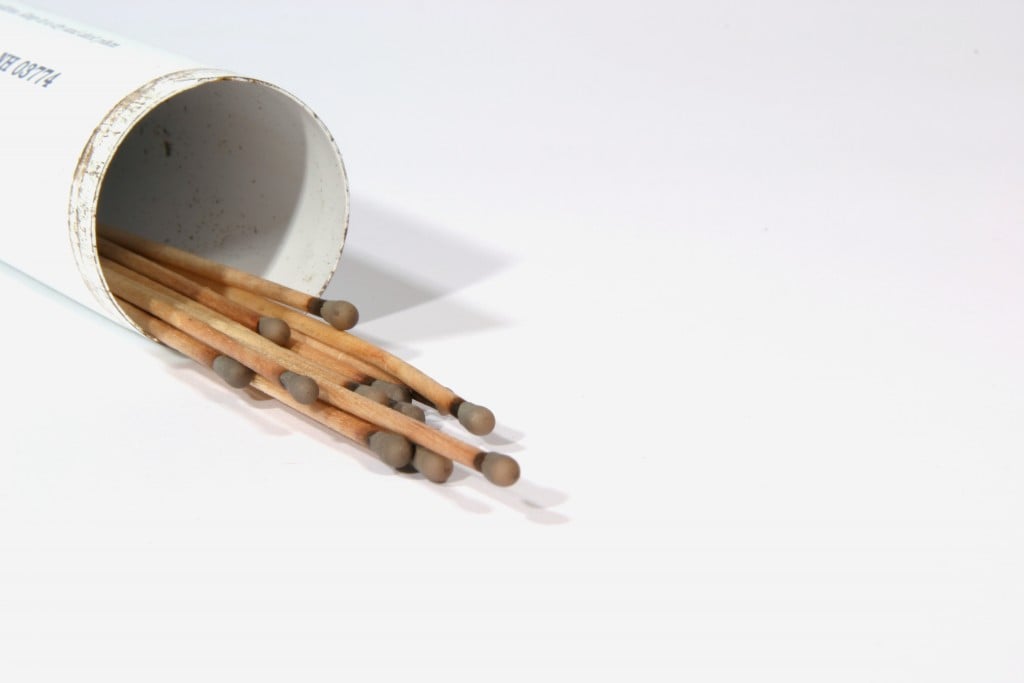
Silver Nitrate sticks - Image(Rick's Photography)s
......................................................................................................................................................
but that massive gash in your arm still needs medical attention. memeSilver Nitrate
How Does Silver Nitrate Work On Human Wounds?
John Staughton  


When you fall and scrape your knee as a child, your mother probably applied a bit of antiseptic and slapped a Band-Aid on it before sending you back off onto the playground.
Our body is quite good at recovering from minor injuries, and has a number of built-in tools to help the body heal.
However, there are those instances of more serious damage to our tissues or body that may require a bit of artificial help beyond Neosporin.
Furthermore, in certain conditions when infection is already present or highly likely, some sort of defense is essential.
For nearly 200 years, medical practitioners across the world have been using silver nitrate (AgNO3in various forms to speed the healing process of these more serious wounds. 
The application of the chemical is different than most medical procedures you may be familiar with, yet it remains in use to this day!
Silver nitrate is an inorganic compound that has a number of applications in various industries, from photography to electron microscopy.
However, when it comes to medical applications, the antiseptic and cauterizing qualities of this compound make it quite valuable, particularly outside of a formal hospital setting.
This compound is used topically in the case of more serious wounds that may have deeper granulated tissue formation, or rolled/calloused edges, as these conditions will encourage infections.
Furthermore, due to the caustic nature of silver nitrate, it is able to stem the flow of bleeding and cauterize the edges of a wound, effectively sealing up capillaries.
The method of topical application differs slightly, depending on which type of silver nitrate you are using.
For cauterizing and disinfecting open wounds, silver nitrate applicator sticks should be used, and this is the primary form you will find.
However, you can also use silver nitrate to treat warts and skin tags, in which case a silver nitrate ointment should be used.
Silver Nitrate Sticks
The silver nitrate applicator sticks are composed of both silver nitrate and a small amount of potassium nitrate, and become activated when the tips of these sticks (which look like long matches) are exposed to water.
Without the introduction of water, the sticks are harmless and inactivated, but when it touches water, the chemical reaction is catalyzed, at which point the sticks can be applied directly to the site of the wound.
However, to safely and properly apply silver nitrate to a wound, significant safety precautions should be taken.
Essentially, if the reason you are using silver nitrate is to disinfect the wound, you should make every effort not to further contaminate the wound. This begins with removing the bandage from the wound with clean gloves, cleaning the wound with a sterile solution, donning new gloves between each step, and finally applying a boundary around the wound.
Remember, silver nitrate is very caustic, and while it can be beneficial to protect the damaged tissue of a wound, it can also cause discomfort and damage to perfectly healthy tissue.
The petroleum jelly will form a boundary to restrict the active area where the silver nitrate will operate.
The intensity of the “burn” from the silver nitrate is based on how long the activated stick is applied to the tissue.
For most wounds, it is recommended that you gently rub and twirl the stick for no more than two minutes, as this should be sufficient for it to take effect.
Does Silver Nitrate Hurt?
While there may be some discomfort or sensation at the application of silver nitrate, it should not be a painful treatment, per se, and you should stop if you experience any painful burning.
Once the stick has been applied, gently pat the area dry with damp gauze, and then dry gauze, before re-covering the wound or applying any other foundational salves or medicines to the site of the injury.
Depending on the severity and type of wound, application frequency and duration can range from 1-2 times per day for a few days up to multiple weeks.
Speaking with your doctor about these more specific details for wound care is critical!
Precautions to Take When Using Silver Nitrate
While this is a rather rudimentary treatment, and far less complex than many other modern-day treatments or procedures, it can also be dangerous, so proper precautions must be taken.
Some of the key guidelines and tips to remember when using silver nitrate on a wound include the following:
§       Although there is not a flame on the edge of this matchstick-looking applicator, it can still cause a burn on your skin, clothes or other objects if left in contact (once activated with water).
§       Always apply petroleum jelly in a protective ring around the edge of the wound to reduce your chances of damaging healthy tissue.
§       If you experience a burning sensation or pain, discontinue immediately; you can then apply saline to the site if you wish to dilute or wash away some of the excess chemical.
§       Use protective equipment when applying this so the site of a wound, including gloves, both to minimize potential infection and accidental contact with the activated silver nitrate.
§       Do not use silver nitrate for an extended period of time, as it will prevent fibroblast formation, which is necessary for the normal healing process.
§       Before applying silver nitrate at home, be sure to speak with a medical practitioner, or have the wound looked at by a professional. If a wound does require that sort of extra attention, it it likely serious enough that it should be seen by a doctor first!
A Final Word
Despite being in the age of incredible medical miracles, there are still some relatively “ancient” techniques from the last couple centuries that remain effective and essential in certain parts of the world where medical attention may not be easily accessible or of a high quality.
Silver nitrate applicators and creams rely on basic chemical properties and function as a reliable first line of defense for serious lacerations and wounds on the skin.
This chemical compound is a short-term solution that promotes the long-term healing process.

John Staughton
 is a traveling writer, editor and publisher who earned his English and Integrative Biology degrees from the University of Illinois in Champaign, Urbana. He is the co-founder of a literary journal, Sheriff Nottingham, and calls the most beautiful places in the world his office. On a perpetual journey towards the idea of home, he uses words to educate, inspire, uplift and evolve.
One does not simply apply silver nitrate for more than two minutes. meme
but I doubt silver nitrate is going to help meme