Showing posts with label Waterborne Diseases. Show all posts

Tuesday, July 21, 2020

SCHISTOSOMIASIS AND PESTICIDES - Pesticides speed the spread of deadly waterborne pathogens - Widespread use of pesticides and other agrochemicals can speed the transmission of the debilitating disease schistosomiasis, while also upsetting the ecological balances in aquatic environments that prevent infections, finds a new study led by researchers at the University of California, Berkeley. Schistosomiasis, also known as snail fever, is caused by parasitic worms that develop and multiply inside freshwater snails and is transmitted through contact with contaminated water. The infection, which can trigger lifelong liver and kidney damage, affects hundreds of millions of people every year and is second only to malaria among parasitic diseases, in terms of its global impact on human health. The study, published in the journal Lancet Planetary Health, found that agrochemicals can increase the transmission of the schistosome worm in myriad ways: by directly affecting the survival of the waterborne parasite itself, by decimating aquatic predators that feed on the snails that carry the parasite and by altering the composition of algae in the water, which is a major food source for snails. The findings come as the connections between environment and infectious disease have been laid bare by the COVID-19 pandemic, which is caused by an emerging pathogen thought to be linked to wildlife.

Snail genome provides clues to controlling devastating disease ...
.................................................................................................................................................
Schistosomiasis And Pesticides
What is schistosomiasis? - Outbreak News TodayPesticides speed the spread of deadly waterborne pathogens
by University of California - Berkeley



Pesticides speed the spread of deadly waterborne pathogens
A man waters his crops near Lampsar, a community about 12 miles  from the city of Saint Louis
 in the lower Senegal River Basin in West Africa. A new study led by researchers at the
University of California, Berkeley finds that use of some agricultural pesticides can speed
 the transmission of the debilitating disease schistosomiasis, while also upsetting the
ecological balances in aquatic environments that prevent infections.
Widespread use of pesticides and other agrochemicals can speed the transmission of the debilitating disease schistosomiasis, while also upsetting the ecological balances in aquatic environments that prevent infections, finds a new study led by researchers at the University of California, Berkeley.
Schistosomiasis, also known as snail fever, is caused by parasitic worms that develop and multiply inside freshwater snails and is transmitted through contact with contaminated water.
The infection, which can trigger lifelong liver and kidney damage, affects hundreds of millions of people every year and is second only to malaria among parasitic diseases, in terms of its global impact on human health.
The study, published in the journal Lancet Planetary Health, found that agrochemicals can increase the transmission of the schistosome worm in myriad ways: by directly affecting the survival of the waterborne parasite itself, by decimating aquatic predators that feed on the snails that carry the parasite and by altering the composition of algae in the water, which provides a major food source for snails.
Agrochemicals increase the transmission of Schistosomiasis | Earth ..."We know that dam construction and irrigation expansion increase schistosomiasis transmission in low-income settings by disrupting freshwater ecosystems," said UC Berkeley's Christopher Hoover, a doctoral student in environmental health sciences and lead author of the study.
"We were shocked by the strength of evidence we found also linking agrochemical pollution to the amplification of schistosomiasis transmission."
The findings come as the connections between environment and infectious disease have been laid bare by the COVID-19 pandemic, which is caused by an emerging pathogen thought to be linked to wildlife.
"Environmental pollutants can increase our exposure and susceptibility to infectious diseases," said Justin Remais, chair of the Division of Environmental Health Sciences at the UC Berkeley School of Public Health and senior author of the study.
"From dioxins decreasing resistance to influenza virus, to air pollutants increasing COVID-19 mortality, to arsenic impacting lower respiratory tract and enteric infections — research has shown that reducing pollution is an important way to protect populations from infectious diseases."
After combing through nearly 1,000 studies gathered in a systematic literature review, the research team identified 144 experiments that provided data connecting agrochemical concentrations to components of the schistosome life cycle.
They then incorporated these data into a mathematical model that captures the transmission dynamics of the parasite.
The model simulates concentrations of common agrochemicals following their application to agricultural fields and estimates the resulting impacts on infections in the nearby human population.
The researchers found that even low concentrations of common pesticides — including atrazine, glyphosate and chlorpyrifos — can increase rates of transmission and interfere with efforts to control schistosomiasis.
Pesticides Increase Transmission of Snail Fever - Sustainable PulseAgrochemical amplification of parasite transmission was not inconsequential.
In the study communities in the Senegal River Basin in West Africa, the excess burden of disease attributable to agrochemical pollution was on par with disease caused by lead exposure, high sodium diets and low physical activity.
"We need to develop policies that protect public health by limiting the amplification of schistosomiasis transmission by agrochemical pollution," Hoover said.
"More than 90% of schistosomiasis cases occur in areas of sub-Saharan Africa, where agrochemical use is expanding. If we can devise ways to maintain the agricultural benefits of these chemicals, while limiting their overuse in schistosomiasis-endemic areas, we could prevent additional harm to public health within communities that already experience a high and unacceptable burden of disease."

The University of California at Berkeley (UC-Berkeley) is the flagship of the University of California system. Berkeley was established in 1868 as the first of the public universities of the eventual 10 campuses. UC Berkeley has an acclaimed physics department. It is the manager of the Los Alamos National Laboratory, the Lawrence Livermore National Laboratory. Nearly 25,000 undergraduate and graduate students undertake UC Berkeley's 200 programs and individual post graduate degree programs. UC Berkeley has a solid $2 billion endowment with the ability to attract grants from the National Science Foundation and other foundations. UC Berkeley has numerous Nobel Laureates with ties to its university and Medal of Science recipients.world.https://medicalxpress.com/news/2020-07-pesticides-deadly-waterborne-pathogens.html
Overview - SENTINEL - Linking Freshwater Pollution and the Risk of ...

Wednesday, May 20, 2020

MICROORGANISMS IN WASTEWATER TREATMENT - Wastewater can be detrimental to the environment if left untreated. That’s because waste from humans and pets are a source of several types of waterborne diseases and bacterial contamination. Thanks in part to microorganisms, treating wastewater and sewage is possible. The role of microorganisms in wastewater treatment helps to treat and purify wastewater and make it less harmful to the environment. While there are many different microbes used in sewage treatment, there are three well-known microbes that play an instrumental role in keeping sewage clean. Each of these types of bacteria help the treatment process in a unique way to ensure there is little to no impact on the surrounding environment. Aerobic bacteria are mostly used in new treatment plants in what is known as an aerated environment. This bacterium uses the free oxygen within the water to degrade the pollutants in the wastewater and then converts it into energy that it can use to grow and reproduce. For this type of bacteria to be used correctly, it must have oxygen added mechanically. This will ensure the bacteria are able to do their job correctly and continue to grow and reproduce on its food source. Anaerobic bacteria are used in wastewater treatment on a normal basis. The main role of these bacteria in sewage treatment is to reduce the volume of sludge and produce methane gas from it.

role of microbes in wastewater treatment
................................................................................................................................................................
Microorganisms In Wastewater Treatment
about AOS water treatmentRole of Microorganisms Used in Wastewater Treatment
Written by AOS Treatment Solutions


Wastewater can be detrimental to the environment if left untreated.
That’s because waste from humans and pets are a source of several types of waterborne diseases and bacterial contamination.
Thanks in part to microorganisms, treating wastewater and sewage is possible.
The role of microorganisms in wastewater treatment helps to treat and purify wastewater and make it less harmful to the environment.
microorganisms used in wastewater treatmentWhile there are many different microbes used in sewage treatment, there are three well-known microbes that play an instrumental role in keeping sewage clean.
Each of these types of bacteria help the treatment process in a unique way to ensure there is little to no impact on the surrounding environment.
COMMON MICROORGANISMS USED IN WASTEWATER TREATMENT
Here is a list of bacteria used in sewage treatment you can reference.
AEROBIC BACTERIA
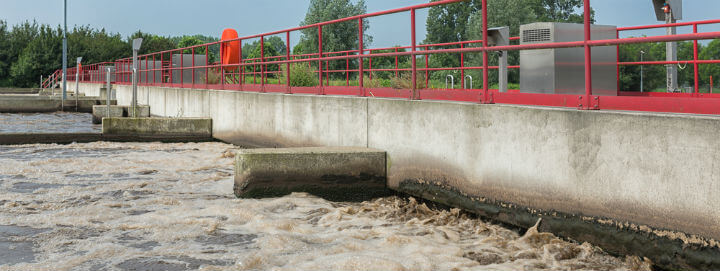
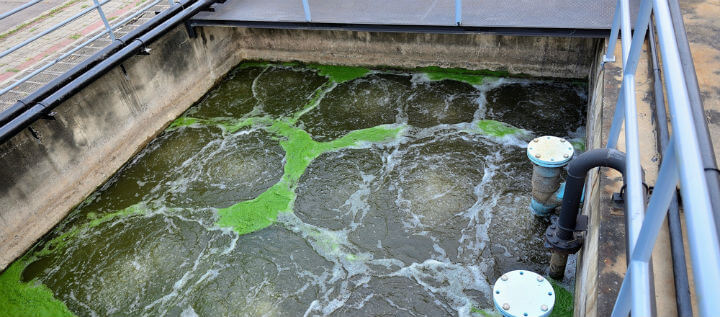
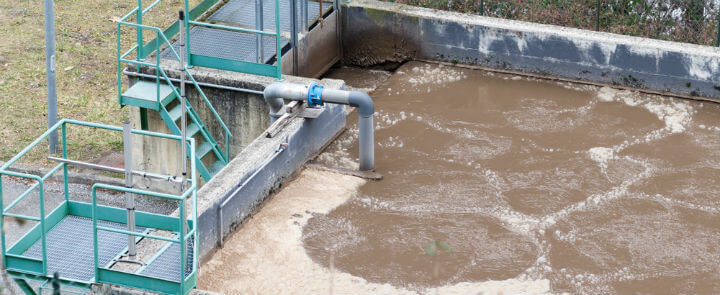
Aerobic bacteria are mostly used in new treatment plants in what is known as an aerated environment.
This bacterium uses the free oxygen within the water to degrade the pollutants in the wastewater and then converts it into energy that it can use to grow and reproduce.
For this type of bacteria to be used correctly, it must have oxygen added mechanically. This will ensure the bacteria are able to do their job correctly and continue to grow and reproduce on its food source.
ANAEROBIC BACTERIA
Anaerobic bacteria are used in wastewater treatment on a normal basis.
The main role of these bacteria in sewage treatment is to reduce the volume of sludge and produce methane gas from it.
The great thing about this type of bacteria and why it’s used more frequently than aerobic bacteria is that the methane gas, if cleaned and handled properly, can be used as an alternative energy source.
This is a huge benefit considering the already high wastewater treatment energy consumption levels.
Unlike aerobic bacteria, this type of bacteria is able to get more than enough oxygen from its food source and will not require adding oxygen to help do its job. 
Phosphorus removal from wastewater is another benefit of anaerobic microbes used in sewage treatment.
FACULTATIVE
Facultative microorganisms in sewage treatment are bacteria that can change between aerobic and anaerobic depending on the environment they are in. Note that these bacteria normally prefer to be in an aerobic condition.
FINAL THOUGHTS ON THE ROLE OF MICROORGANISMS IN WATER TREATMENT
Many industrial and municipal wastewater treatment plants use bacteria and other microorganisms to help with the process of cleaning sewage.
Picking the right bacteria can be tricky since your selection depends on the condition of your area for effective use.
Wastewater treatment can also provide a great source for alternative energy if the anaerobic bacteria are handled correctly.
Learning the names of microbes used in sewage treatment and the role bacteria in sewage treatment plays doesn’t have to be a solo job.
Consider the water treatment solutions available from AOS to learn more about the role of microorganisms in water treatment and how microorganisms in the wastewater treatment process can help keep your water healthy.

Contact AOS today for more information about our treatment services.

AOS TREATMENT SOLUTIONS
Since 1999, AOS Treatment Solutions has provided specialized treatment of water and wastewater to the industrial and municipal markets. Over the years, we have become a leading water/wastewater treatment company utilizing an analytical and scientific approach to developing optimum treatment programs. Through our meticulous testing methodology, we find cost effective solutions to meet the needs of all our customers.
At AOS, our goal is to provide clients with a single-point source for all their water and wastewater treatment needs. We use the latest testing equipment and analyzers to deliver practical solutions that enhance operational reliability.
All chemicals for municipal drinking water are NSF certified.
list of bacteria used in sewage treatment

Monday, March 9, 2020

MICROORGANISMS USED IN WASTEWATER TREATMENT - Wastewater can be detrimental to the environment if left untreated. That’s because waste from humans and pets are a source of several types of waterborne diseases and bacterial contamination. Microorganisms helps to treat and purify wastewater and make it less harmful to the environment. There are three well-known microbes that play an instrumental role in keeping sewage clean. Each of these types of bacteria help the treatment process in a unique way to ensure there is little to no impact on the environment. Aerobic bacteria are mostly used in new treatment plants in what is known as an aerated environment. This bacterium uses the free oxygen within the water to degrade the pollutants in the wastewater and then converts it into energy that it can use to grow and reproduce. Anaerobic bacteria are used in wastewater treatment on a normal basis. The main role of these bacteria in sewage treatment is to reduce the volume of sludge and produce methane gas from it. Facultative microorganisms in sewage treatment are bacteria that can change between aerobic and anaerobic depending on the environment they are in.

role of microbes in wastewater treatment
..........................................................................................................................................................
microorganisms used in wastewater treatmentRole of Microorganisms Used in Wastewater Treatment
AOS Treatment Solutions


Wastewater can be detrimental to the environment if left untreated. That’s because waste from humans and pets are a source of several types of waterborne diseases and bacterial contamination.
Thanks in part to microorganisms, treating wastewater and sewage is possible.
The role of microorganisms in wastewater treatment helps to treat and purify wastewater and make it less harmful to the environment.
While there are many different microbes used in sewage treatment, there are three well-known microbes that play an instrumental role in keeping sewage clean.
Each of these types of bacteria help the treatment process in a unique way to ensure there is little to no impact on the surrounding environment.
COMMON MICROORGANISMS USED IN WASTEWATER TREATMENT
Here is a list of bacteria used in sewage treatment you can reference.
AEROBIC BACTERIA
Aerobic bacteria are mostly used in new treatment plants in what is known as an aerated environment.
This bacterium uses the free oxygen within the water to degrade the pollutants in the wastewater and then converts it into energy that it can use to grow and reproduce.
For this type of bacteria to be used correctly, it must have oxygen added mechanically. This will ensure the bacteria are able to do their job correctly and continue to grow and reproduce on its food source.
ANAEROBIC BACTERIA
Anaerobic bacteria are used in wastewater treatment on a normal basis. The main role of these bacteria in sewage treatment is to reduce the volume of sludge and produce methane gas from it.
The great thing about this type of bacteria and why it’s used more frequently than aerobic bacteria is that the methane gas, if cleaned and handled properly, can be used as an alternative energy source.
This is a huge benefit considering the already high wastewater treatment energy consumption levels.
Unlike aerobic bacteria, this type of bacteria is able to get more than enough oxygen from its food source and will not require adding oxygen to help do its job. 
Phosphorus removal from wastewater is another benefit of anaerobic microbes used in sewage treatment.
FACULTATIVE
Facultative microorganisms in sewage treatment are bacteria that can change between aerobic and anaerobic depending on the environment they are in.
Note that these bacteria normally prefer to be in an aerobic condition.
FINAL THOUGHTS ON THE ROLE OF MICROORGANISMS IN WATER TREATMENT
Many industrial and municipal wastewater treatment plants use bacteria and other microorganisms to help with the process of cleaning sewage.
Picking the right bacteria can be tricky since your selection depends on the condition of your area for effective use.
Wastewater treatment can also provide a great source for alternative energy if the anaerobic bacteria are handled correctly.
Learning the names of microbes used in sewage treatment and the role bacteria in sewage treatment plays doesn’t have to be a solo job.
Consider the water treatment solutions available from AOS to learn more about the role of microorganisms in water treatment and how microorganisms in the wastewater treatment process can help keep your water healthy.

Contact AOS today for more information about our treatment services.
AOS TREATMENT SOLUTIONS
Since 1999, AOS Treatment Solutions has provided specialized treatment of water and wastewater to the industrial and municipal markets. Over the years, we have become a leading water/wastewater treatment company utilizing an analytical and scientific approach to developing optimum treatment programs. Through our meticulous testing methodology, we find cost effective solutions to meet the needs of all our customers.
At AOS, our goal is to provide clients with a single-point source for all their water and wastewater treatment needs. We use the latest testing equipment and analyzers to deliver practical solutions that enhance operational reliability.
All chemicals for municipal drinking water are NSF certified.

AOS Treament Solutions, LLC
15514 Summit Park Drive, Suite 501, Montgomery, TX 77356 / (936) 228-1656
list of bacteria used in sewage treatment

Monday, October 7, 2019

COMMON IMPURITIES IN WATER - Water is not exempt from certain impurities that can severely affect clean consumption. These impurities include dust, fine sand, clay, dirt, and biological contaminants. Pure water is tasteless, colorless and odorless, but water from rainfall, streams and wells is known to harbor harsh chemicals and elements, including acid and metallic rust elements. Many drinking water systems also contain chlorine, as well as high levels of calcium. Dirty or unsafe water consists of elements called Total Suspended Solids that include dust, sand, clay and rust. These remain suspended in water and cause it to become muddy or cloudy. These also lack the two essentials of pure water: hydrogen and oxygen. Hydrogen and oxygen enable drinking water to become pure and basically dissolve most anything it comes into contact with. If consumed, suspended impurities in water if consumed can result in a range of medical ailments and illnesses. Biological impurities in water are caused by the presence of living organisms. Colloidal impurities in water include organic waste products and amino acids. This problem occurs due to contact with suspended matter and elements like sand, rocks and organic matter flowing in rivers, streams and lakes that renders water undrinkable or non-pure. Microorganisms can contaminate water by taking the form of calcium and magnesium salts.

what are impurities in water
..................................................................................................................................................
Common Impurities in Water
Written by AOS Treatment Solutions


Water is the world’s most precious resource.
However, it is not exempt from certain impurities that can severely affect clean consumption.
These impurities include dust, fine sand, clay, dirt, and biological contaminants.
Pure water is tasteless, colorless and odorless, but water from rainfall, streams and wells is known to harbor harsh chemicals and elements, including acid and metallic rust elements.
Similarly, many drinking water systems also contain chlorine, as well as high levels of calcium.
With this in mind, let’s look at some of the common impurities in water and learn why they are not safe for human or animal consumption.
WHAT ARE IMPURITIES IN WATER?
In the United States, dirty or unsafe water consists of elements called Total Suspended Solids (TSS) that are not designed to dissolve.
These solids include dust, sand, clay and rust.
They remain suspended in water and cause it to become muddy or cloudy. They also lack the two essentials of pure water: hydrogen and oxygen.
Hydrogen and oxygen enable drinking water to become pure and basically dissolve most anything it comes into contact with.
If consumed, suspended impurities in water if consumed can result in a range of medical ailments and illnesses.
These include, but are not limited to:
·           Cholera
·          Guinea worm disease
·          Typhoid
·          Legionella
·          Dysentery
·          Malaria – most commonly associated with mosquitoes and germs in contaminated water
Waterborne diseases stemming from drinking contaminated water result in a staggering 3.4 million deaths each year.
The problem is so significant that the Center for Disease Control and Prevention (CDC) even has a special department that deals with contaminated water in the United States.
They also network with the World Health Organization (WHO) to provide pure water and treatment solutions for developing nations.
TYPES OF IMPURITIES IN WATER
There are several types of impurities in water drinking systems and reserves.
BIOLOGICAL IMPURITIES IN WATER
Biological impurities in water are caused by the presence of living organisms.
These include algae, protozoa, pathogens, bacteria, viruses, microbes, and parasites along with their cysts (eggs) in contaminated water.
The latter are simply called germs, microorganisms that can reproduce at alarming rates.
Contaminated water is also one of the main causes of gastroenteritis for people of all ages across the United States.
COLLOIDAL IMPURITIES IN WATER
Colloidal impurities in water include organic waste products and amino acids.
This problem occurs due to contact with suspended matter and elements like sand, rocks and organic matter flowing in rivers, streams and lakes that renders water undrinkable or non-pure.
Sources of chemical impurities in water include:
·          Gases that are picked up from the atmosphere by rainwater and torrential downpours
·         Decomposing animals and plants found near streams, rivers and lakes
·         Industrial sewage and wastewater
·         High levels of calcium, iron, magnesium, sodium, and chlorides in river water
·         Organic compounds stemming from agricultural and domestic industrial waste. These are known as anthropogenic contaminants, which are found in natural and drinking water.
·         Inorganic compounds stemming from medical wastewater and equipment systems
As mentioned above, microorganisms can contaminate water by taking the form of calcium and magnesium salts.
However, these germs can also include silicates, along with ferrous and non-ferrous ion-based compounds.
IMPURE WATER SOLUTIONS
With so many impurities in natural and drinking water, one of the best solutions for communities is to have the right municipal water treatment system in place.
Water treatment systems help to eliminate aluminum, chlorides and other hidden chemical and elements from drinking water systems.
AOS Treatment Solutions is a reputable water treatment company with years of extensive industry experience in groundwater treatmentwastewater treatment, and surface water treatment for municipalities and industrial plants.
AOS has the tools and expertise to purify all types of water.
From pathogen removal to corrosion control, AOS is committed to excellence in securing fresh, clean and germ-free water for all communities and businesses.
Contact us online today for more information on how we can help keep your water safe.

AOS TREATMENT SOLUTIONS
Since 1999, AOS Treatment Solutions has provided specialized treatment of water and wastewater to the industrial and municipal markets. Over the years, we have become a leading water/wastewater treatment company utilizing an analytical and scientific approach to developing optimum treatment programs. Through our meticulous testing methodology, we find cost effective solutions to meet the needs of all our customers.
At AOS, our goal is to provide clients with a single-point source for all their water and wastewater treatment needs. We use the latest testing equipment and analyzers to deliver practical solutions that enhance operational reliability.
what are impurities in water