Sunday, February 26, 2017

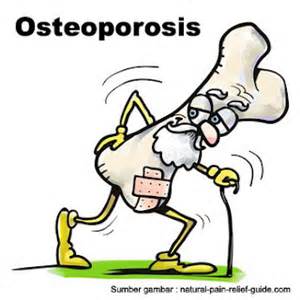
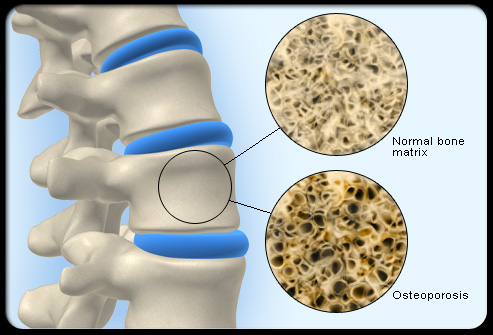
OSTEOPOROSIS - This disease is characterized by low bone mass and structural deterioration of bone tissue. It literally means "porous bones." Calcium is essential in building and maintaining bone and bone tissue.

Water And 
Osteoporosis
About 10 million Americans suffer from osteoporosis, which literally means "porous bones."
This disease is characterized by low bone mass and structural deterioration of bone tissue. Thirty-four million suffer from low bone mass, but have not been diagnosed with the disease. Yet.
There are some risk factors that we cannot change, as in gender and race. However, other risk factors are indeed preventable.
And, something as simple as water can aid in both preventing and coping with this disease. But just as water can help- it can also harm.
Fluoride-tinged water can increase the risk of bone fractures by 20-40%. It can also contribute to abnormal bone growth.
Many municipalities could have fluoride in their water systems, and the only way to remove it is by distillation or with a reverse osmosis water filter.
Those who are at risk for osteoporosis should invest in a good quality filter to make sure fluoride is removed. Those with the disease should do the same because of the fracture risk.
Calcium – or lack thereof-- is the first and foremost nutrient associated with osteoporosis. This element is essential in building and maintaining bone and bone tissue.
While milk and supplements are the primary source for this, there is also a calcium-rich mineral water available.
Aqua therapy is also a great way to stay in shape and help relieve pain involved with osteoporosis.
Since exercising is crucial to health and much exercise can be a risk factor in falling and breaking a fragile bone, those with osteoporosis are caught in a Catch-22.
So, water activities are an alternative. In the water, exercising can build muscle and also help reduce pain, improve balance, increase range of motion and increase circulation.
It is also smart to avoid smoking, caffeine and alcohol.
So, replace those beverages with water- a much better alternative and will give many other health benefits.

-----------
A catch-22 is a paradoxical situation from which an individual cannot escape because of contradictory rules. The term was coined by Joseph Heller, who used it in his 1961 novel Catch-22.
An example would be:
"How am I supposed to gain experience [to be hired for a job] if I'm constantly turned down for not having any?
Catch-22s often result from rules, regulations, or procedures that an individual is subject to but has no control over because to fight the rule is to accept it. Another example is a situation in which someone is in need of something that can only be had by not being in need of it. (A bank will never issue someone a loan if they need the money.)
One connotation of the term is that the creators of the "catch-22" situation have created arbitrary rules in order to justify and conceal their own abuse of power. Wikipedia.org
RELATED POSTS:
.
.
FLOURIDE
.

Adverse Effects of Fluoride on Brain Development Scientifically Confirmed
.
http://puricare.blogspot.com/2017/02/flouride-fluoride-is-industrial-grade.html
.
.
.
Aluminium in Drinking Water Increases Risk of Dementia
.
.
.
.
.
.
.
.
.

Do Individual Human Activities Help Contaminate With Pharmaceuticals 
And Personal Care Products? 
.
.
.
.
.

.
PURICARE 
INDUSTRIAL 
ENTERPRISES 
Water 
Treatment 
Systems


Submersible Pumps


Reverse Osmosis with Steel Tank & Cartridge Pre-Filters


STIMULANTS - Stimulants are chemicals in the form of drugs that are used for the purpose of exciting the central nervous system or simply to enhance your brain activity. If used in a controlled manner, stimulants can be helpful but abuses can be dangerous.

.
STIMULANTS
.
Examples of Stimulants 

Have you noticed the increase in concentration, alertness and an increment in your energy levels when you take a cup of coffee in the morning, or the tiredness and inability to focus when you skip your cup of coffee?
The reason for this is caffeine, a powerful stimulant contained in coffee.
Some examples of stimulants like coffee and tea are used commonly by people to enhance their alertness and ability to remain awake for long periods.
If used in a controlled manner, stimulants can be helpful but abuses can be dangerous. Some stimulants are illegal while others need prescription.

What Are Stimulants?

Stimulants are chemicals in the form of drugs that are used for the purpose of exciting the central nervous system or simply to enhance your brain activity.
Stimulants can increase the body temperature, blood pressure and heart rate. They are known as uppers because of their ability to raise your self-confidence and lift your mood.
They can also make you alert, sharp and physically active for a longer time period by boosting your brain’s electrical activity.

Types and Examples of Stimulants

Some stimulants that are considered legal:
·   Nicotine (present in tobacco)
·   Energy drinks
·   Pills for weight loss
·   Prescription Amphetamines like Dexedrine, Desoxyn and Adderall used for treating ADHD or ADD
·   Caffeine
Energy drinks, pills for weight loss, nicotine and caffeine are all popular legal stimulants but addictive in nature.
Consuming them regularly for a few days would get you hooked on them and when you do not consume them for even a day, you are going to start craving them.
Withdrawal symptoms like preoccupation with cigarette or drink or irritability are often experienced if you decide to quit these stimulants.
Some examples of stimulants that are considered illegal include:
·    Ecstasy or trip drug
·    Cocaine
·    Crack
·    Methamphetamine
Ecstasy, cocaine, crack and methamphetamines are illegal stimulants which are all very addictive in nature. They can uplift your mood, send your heart and mind racing and increase your energy levels.
These controlled substances are known to increase sexual activity.
Weight loss, insomnia and appetite loss are some of the other side effects associated with these illegal stimulants.
You can go to the extent of committing a crime to continue using these stimulants. Recovering from such addictions requires drug intervention.

How Do They Work?

The beneficial effects of stimulants are brought about by boosting the levels of norepinephrine, serotonin and dopamine in the brain.
Norepinephrine is essential for boosting sharpness while dopamine is a neurotransmitter associated with feelings of pleasure, reward, attention and concentration.
Glutamate is another neurotransmitter whose levels are increased by some stimulants.
It is related to inhibition and behavioral control. Low glutamate levels are often observed in patients with attention deficit hyperactivity disorder (ADHD).
Here’s a list of the major types of drugs and how do they work:
Type of Drug
Effect on the Body
Example
Depressant
decreases brain activity
Temazepam, solvents, alcohol
Hallucinogen
changes what we hear and see
LSD
Painkiller
stops nerve impulses
Paracetamol, aspirin
Performance Enhancer
enhances the development of muscles
Anabolic steroids
Stimulant
boosts brain activity
Ecstasy, caffeine, nicotine

FAQs on Stimulants

Q1: How are they used?

Stimulants like Adderall, Dexedrine and Ritalin, also known as Uppers, Speed and Bennies, are a class of drugs that are available in the form of capsules and tablets. They are used medically for treating certain health conditions like ADHD and narcolepsy.

Q2: What are the dangers of abuse?

Heart failure, psychosis, panic, delirium and irregular heartbeat are among the dangers of stimulant abuse.

Q3: What are the possible side effects?

Amphetamines can affect the cardiovascular system and cause angina, hypertension, arrhythmias, syncope and maculopathy.
Myocardial infarction and cardiomyopathy are the dangerous side effects of amphetamines which can occur at high doses.
Amphetamines can also affect the central nervous system and cause coma, seizures, confusion, tremors, dizziness and insomnia.
Use of amphetamines is contraindicated during lactation and pregnancy because their metabolites are present in breast milk and they can cause birth defects in newborns.
Other possible side effects of stimulants include hypersensitivity, urticaria, rashes, glaucoma, anorexia, diarrhea, abdominal cramps, vomiting and nausea.
.
RELATED POSTS:
.

COCAINE
.
What Does Cocaine Taste Like?.
.
CLICK HERE . . . 

Friday, February 24, 2017

COCAINE - Cocaine is a highly addictive drug that produces short-term energy, euphoria, and talkativeness. Large amounts may lead to erratic, bizarre and even violent behavior. Some people even experience vertigo, tremors, paranoia and muscle twitches.

COCAINE
What Does Cocaine Taste Like?

What It Is

Made from the leaves of the Erythroxylumcoca plant in South America, cocaine is a highly addictive drug that produces short-term energy, euphoria, and talkativeness. People use it in different forms and ways.

Different Forms and Ways of Use

There are two basic forms of cocaine produced through different chemical processes.
·  Powdered cocaine: Also known as "blow" or "coke" and is water soluble. It can be injected or snorted.
·  Crack cocaine: It is commonly known as "rock" or "crack" and is produced through processes that leave its freebase form intact so it can be smoked. 

Taste

What does cocaine taste like? It may taste sour and somewhat sweet or it may have notes of vinegar and salt. This usually depends on how it has been produced.
However, it will most definitely numb your nose and tongue instantly on touch. The powder will feel quite "cakey" though.
Many people say it has a medicinal taste but not like that of a pill. The smell is usually quite strong, but only felt when snorted. 

The Effects of Cocaine

Now that you know the answer to what does cocaine taste like, you should also learn a bit about the effects of the drug. 
This strong stimulant interferes with your brain function and prevents re-absorption of dopamine. The high people experience after the use of cocaine is due to the buildup of dopamine.
Here is a bit more about the effects of cocaine on your body:

Immediate Effects

You usually experience the euphoric effects of cocaine immediately after taking it. For some people, the effects last for hours, but only a few minutes for others.
How long it lasts depends on the way of administration. Cocaine taken through smoking is absorbed faster, therefore “the high” is also more intense, but lasts shorter (5-10 minutes on average) compared to snorting (15 to 30 minutes).
The period of stimulation also decreases with repetitive usage.
Most people feel talkative, energetic, euphoric, and mentally alert with heightened sensations of sound, sight and sound when taking cocaine in amounts less than 100mg.
It temporarily decreases the need for sleep and food. It is because such effects that people use it when they want some energy and alertness to perform intellectual and physical tasks.

Short-Term Effects

You may experience several short-term effects after the use of cocaine. The list includes dilated pupils, constricted blood vessels, increased heart rate, temperature and blood pressure.
Large amounts may lead to erratic, bizarre and even violent behavior. Some people even experience vertigo, tremors, paranoia and muscle twitches.
Repeated doses may make users feel irritable, restless, and anxious. Sudden death caused by cardiac arrest or seizures can also occur when using it for the first time.

Long-Term Effects

Once you experience the immediate high, it is hard to stop taking more and more of the drug. This often produces several long-term effects.
The most common effects include irritability, addiction, paranoia psychosis, restlessness, mood disturbances and auditory hallucinations.

How Do I Know If Someone Is Using Cocaine?

First, you should have the answer to "what does cocaine tastes like." However, you can also check for certain signs to confirm if someone is in fact involved in cocaine abuse.
For cocaine powder:
·     If someone you know disappears suddenly and is in a different mood when he returns, this could be because he is abusing powdered cocaine. He may also seem confident, sexually excited, and talkative. He is more likely to have high energy but may not have appetite for food.
·     If someone is abusing powdered cocaine, you may find traces of white powder around his nose. Some people do not snort it but inject it. You may even check for a needle mark on their legs, arms, feet, hands or neck.
·     Someone abusing cocaine will have dilated pupils. His eyes will be much more sensitive to light. He may have a runny nose that may even bleed if there has been some damage inside the nose. It is also important to bear in mind that the effects of powdered cocaine usually last for an hour or so. It means that if someone leaves periodically, this could be a sign of abuse.
For crack cocaine:
·     Crack cocaine is smoked, so you may want to look for any tiny plastic bags or small glass pipes in areas where you think someone has smoked crack.
·     A crack high is usually shorter and sometimes does not last beyond 15 minutes. However, you may find burns on fingers and lips of a regular crack user.
·     In addition, you also need to know about certain symptoms of cocaine use. This list includes delusions, disorientation, aggressiveness, antisocial behavior and paranoia. If someone exhibits these signs, you should talk to him and take him to a professional for help.
RELATED POSTS:
.
.
MARIJUANA CHEMICAL THC IN WATER.
.
.
.
.
.
What does Alcohol 
Do to You?.
.
.
Marijuana and 
Diabetes
.
.

.
PURICARE 
INDUSTRIAL 
ENTERPRISES 
Water 
Treatment 
Systems


Submersible Pumps

Reverse Osmosis with Steel Tank & Cartridge Pre-Filters


http://www.newhealthadvisor.com/What-Does-Cocaine-Taste-Like.html